


Mistake 1: Using Direct, High Heat
Placing wet shoes directly on or near a radiator, space heater, or open fire is one of the most common and destructive mistakes. While it seems like a quick fix, intense, direct heat is disastrous for most shoe materials. For leather, it causes the natural
oils to evaporate along with the water, leading to a brittle, cracked, and stiff shoe. The heat can also melt the adhesives that hold your shoes together, causing the sole to separate from the upper. Synthetic materials and foams can warp, shrink, or lose their shape permanently. The correct approach is always gentle, indirect heat. Place your shoes a safe distance from any heat source—at least a meter away—to allow for slow, even drying.
Mistake 2: Tossing Them in the Tumble Dryer
The convenience of the clothes dryer is tempting, but it’s a gamble for your footwear and the machine itself. The combination of high heat and constant tumbling can deform your shoes, weaken their glue, and damage cushioning materials. Even on a low heat setting, the risk remains high, and many manufacturers advise against it. The tumbling action can also be incredibly noisy and may even damage the inside of your dryer's drum. If you absolutely must use a dryer, some have special racks that keep the shoes stationary. If not, place them in a mesh bag with several towels to buffer the impact and use a no-heat or air-fluff setting only. However, air-drying is always the safer bet.
Mistake 3: Relying on a Hairdryer
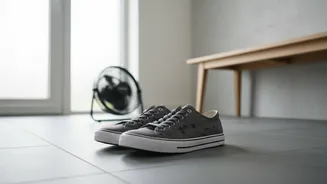
A hairdryer might seem like a targeted, handy tool for drying shoes, but it concentrates intense heat in one area, which can be just as damaging as a radiator. This focused heat can easily cause leather to warp or discolour, and it can melt glues and synthetic fibres. If used too closely, it also presents a potential fire hazard. While some suggest it can be used carefully on a low, cool setting from a distance, it is generally not recommended as a primary drying method. A much safer alternative for creating airflow is a standard room fan. Placing your shoes in front of a fan provides constant, cool air circulation that effectively evaporates moisture without the risks of heat damage.
Mistake 4: Forgetting the Prep Work
How you prepare your shoes for drying is just as important as the method you choose. Simply setting a soaked shoe aside to dry is inefficient and can lead to problems. Before you do anything else, remove the insoles and loosen or remove the laces. Insoles are highly absorbent and, if left inside, will trap moisture and significantly slow down the drying process. Drying them separately allows both the insole and the shoe's interior to air out completely. Opening up the shoe by pulling the tongue forward and loosening the laces promotes better air circulation to the inside, helping it dry faster and more evenly.
Mistake 5: Using the Wrong Stuffing Material
The age-old trick of stuffing shoes to absorb moisture is highly effective, but only if you use the right material. The best and most recommended material is crumpled-up newspaper. Its absorbent paper stock works like a sponge, drawing moisture out from the inside while also helping the shoe maintain its shape. It is crucial to replace the newspaper every few hours as it becomes saturated. Avoid using glossy magazine pages, as they don't absorb well. A common error is using materials like paper towels or tissues; while they absorb water, they can turn to mush and don't provide the firmness needed to hold the shoe's shape. For a modern alternative, silica gel packets or even clean cat litter in a sock can be effective moisture absorbers.
Mistake 6: Storing Them While Still Damp
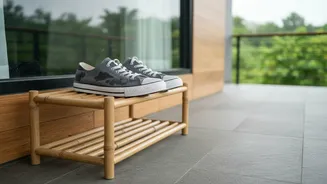
Patience is a virtue, especially when it comes to drying footwear. Storing shoes before they are completely dry is a recipe for bad odours and mildew. A warm, damp, dark environment like a closet is the perfect breeding ground for bacteria and mould, which can ruin the shoe's interior and create a smell that’s difficult to remove. Always ensure your shoes are bone-dry before putting them away. You can check by feeling the inside, especially deep in the toe box. If you feel any coolness or dampness, give them more time in a well-ventilated area. Proper drying doesn't just save your shoes from damage—it also keeps them fresh and hygienic.