





The Old Problems: Diesel, Debt, and Delays
Traditionally, farmers in regions like Nanded and Vidarbha have relied on two main options for irrigation: grid electricity or diesel-powered pumps. Both came with significant downsides. Grid power is often erratic, with frequent cuts and voltage fluctuations,
forcing many to irrigate at inconvenient hours, sometimes late at night. This not only disrupts life but can also lead to crop stress if water isn't supplied on time. Diesel pumps offer more control but at a steep cost. Fluctuating fuel prices create a constant financial burden, eating into profits and making agriculture a less sustainable livelihood, especially for small and marginal farmers who form the backbone of the state's agricultural economy. This dependency often trapped them in a cycle of high costs and uncertain returns.
The Solar Solution: Reliable Daytime Power
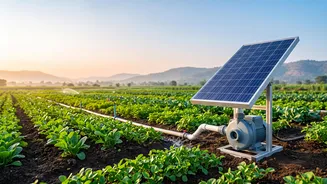
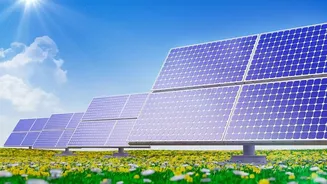
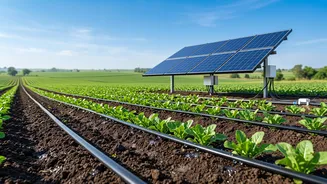
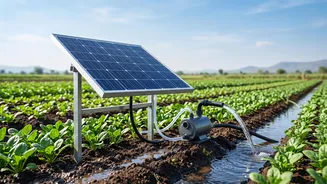
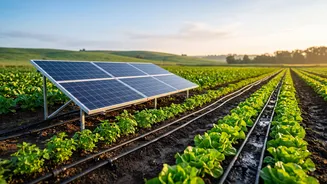
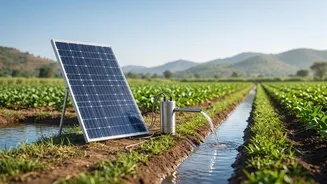
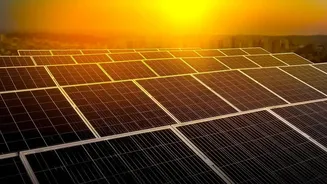
Solar irrigation pumps offer a powerful alternative by harnessing Maharashtra's abundant sunlight. These systems consist of photovoltaic (PV) panels that convert sunlight into electricity, which then powers a motor to pump water from sources like wells, borewells, or ponds. The key advantage is providing reliable, free, and uninterrupted power during the day, which is precisely when crops need water the most. This shift eliminates dependence on the unstable grid and expensive fossil fuels. Initiatives like the central government's Pradhan Mantri Kisan Urja Suraksha evam Utthaan Mahabhiyan (PM-KUSUM) and Maharashtra's own Mukhyamantri Saur Krushi Pump Yojana are making this technology accessible. Through heavy subsidies, farmers can acquire a solar pump by paying as little as 5-10% of the total cost, making an otherwise high-capital investment affordable.
Boosting Farm Incomes and Yields
The economic impact of adopting solar pumps is multi-dimensional. The most immediate benefit is the elimination of recurring energy costs. Farmers save significantly on electricity bills and diesel expenses, which can be a game-changer for farm profitability. With a dependable water supply, farmers are no longer solely reliant on the monsoon. This allows them to cultivate a second or even a third crop, increasing cropping intensity and diversifying from traditional staples to high-value vegetables and fruits. A recent project in Palghar district, for instance, helped increase cultivated land from just a few acres to nearly 96 acres, introducing new income streams from groundnut and other crops. This stability reduces seasonal distress migration, as farming becomes a viable, year-round profession.
Environmental and Agricultural Gains
Beyond the economic uplift, solar pumps bring substantial environmental benefits. By replacing diesel pumps, they cut down on greenhouse gas emissions and local air pollution. The systems also promote more efficient water use. When integrated with methods like drip irrigation, solar pumps ensure water is delivered directly to the crop roots, minimizing waste. This synergy of reliable power and precise irrigation improves overall water management, a critical factor in a state that frequently faces water scarcity. Furthermore, since the pumps operate on clean energy and require no lubricants, they prevent soil and water contamination. This contributes to a more sustainable and climate-resilient agricultural system for Maharashtra's future.
Navigating the Challenges Ahead
Despite the clear benefits, the transition to solar irrigation is not without its challenges. The high upfront cost of solar pumps, even with subsidies, can still be a barrier for the most marginal farmers. More critically, the availability of free and unlimited daytime power raises serious concerns about the over-extraction of groundwater. In some areas, the rapid depletion of water tables has already been observed, which could undermine the long-term sustainability of the solution. Other reported issues include bureaucratic delays in processing applications, the need for better maintenance services, and protecting panels from theft or damage during adverse weather conditions. Addressing these issues through policy and better planning will be crucial to maximizing the long-term positive impact of the scheme.