




The Port City's Big Push
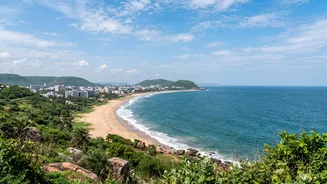
Visakhapatnam is buzzing with activity that signals a concerted effort to transform it into a premier tourist destination. Recent announcements point to significant investment in new attractions. In August 2026, plans were revealed for three mega-projects
backed by NRI investors and international firms: a sky tower, a massive tunnel aquarium, and a giant wheel dubbed 'Eye on Vizag', all planned for the Mangamaripeta beachfront. This comes on the heels of proposals for a night safari circuit connecting Kailasagiri, the city zoo, and the Kambalakonda Wildlife Sanctuary, an initiative aimed at offering unique nocturnal experiences. Furthermore, the central government's Swadesh Darshan 2.0 scheme has earmarked Visakhapatnam for development into a world-class tourism hub, promising substantial funding for infrastructure over the next five years. These projects aren't just ideas; they represent a tangible drive to elevate the city's tourism profile.
More Than Just a Pretty Coastline
While its beaches are a primary draw, Visakhapatnam's appeal is multifaceted. The city serves as a gateway to the lush Eastern Ghats, including the popular Araku Valley, known for its coffee plantations and tribal culture. Efforts are underway to develop this region further for trekking and eco-tourism. Existing landmarks like the Submarine Museum on RK Beach and the hilltop Kailasagiri park offer diverse experiences. The government is also planning a comprehensive, world-class tourism museum complex along the beach road. This blend of natural beauty, adventure, and cultural heritage forms a strong foundation for the current tourism push, ensuring that the city can cater to a wide range of travellers beyond those just seeking sun and sand.
A Blueprint for Andhra Pradesh?
The critical question is whether Visakhapatnam's development can serve as a model for the rest of Andhra Pradesh. The state government has rolled out an aggressive tourism policy for 2024-29, aiming to position AP among India's top five tourism states. This policy includes attractive incentives like capital subsidies, tax benefits, and 100% stamp duty reimbursement to encourage private investment in hotels, resorts, and other tourism projects. The strategy involves creating major tourism hubs, with Visakhapatnam being a key focus alongside places like Tirupati and the historic site of Gandikota. The hope is that the high-profile success in Vizag will create a halo effect, drawing investment and tourists to other parts of the state, from its many spiritual centers to its vast, undeveloped coastline.
The Roadblocks Ahead
Despite the optimism, significant challenges remain. A key issue across Andhra Pradesh is connectivity to remote but promising eco-tourism sites. Balancing development with conservation is another major concern, especially for projects near wildlife sanctuaries and ecologically sensitive areas like the proposed night safari in Vizag. A high-level review in May 2026 highlighted the need for a dedicated Tourist Police policy to enhance visitor safety, a crucial factor for attracting international tourists. The government's plan to identify and upgrade 200 new tourist spots across the state is ambitious and will require immense coordination and sustained funding to move from plan to reality. Ultimately, the state must ensure that this growth is sustainable and benefits local communities, rather than creating isolated pockets of high-end tourism.