



A New Blueprint for Orbit
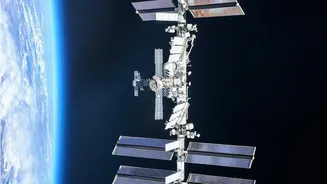
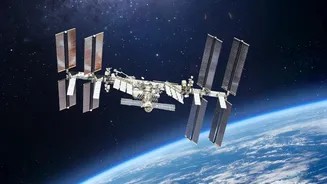
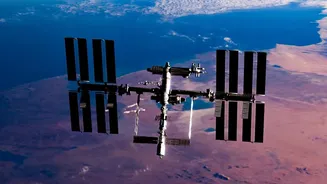
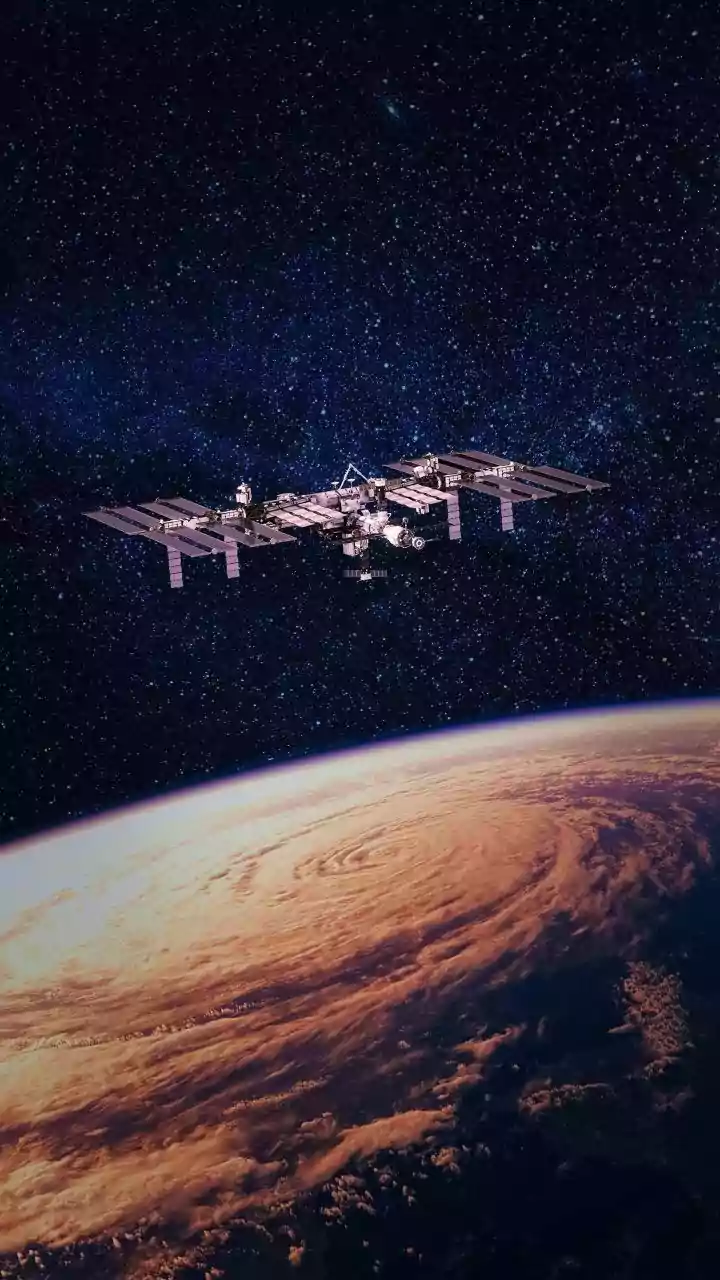
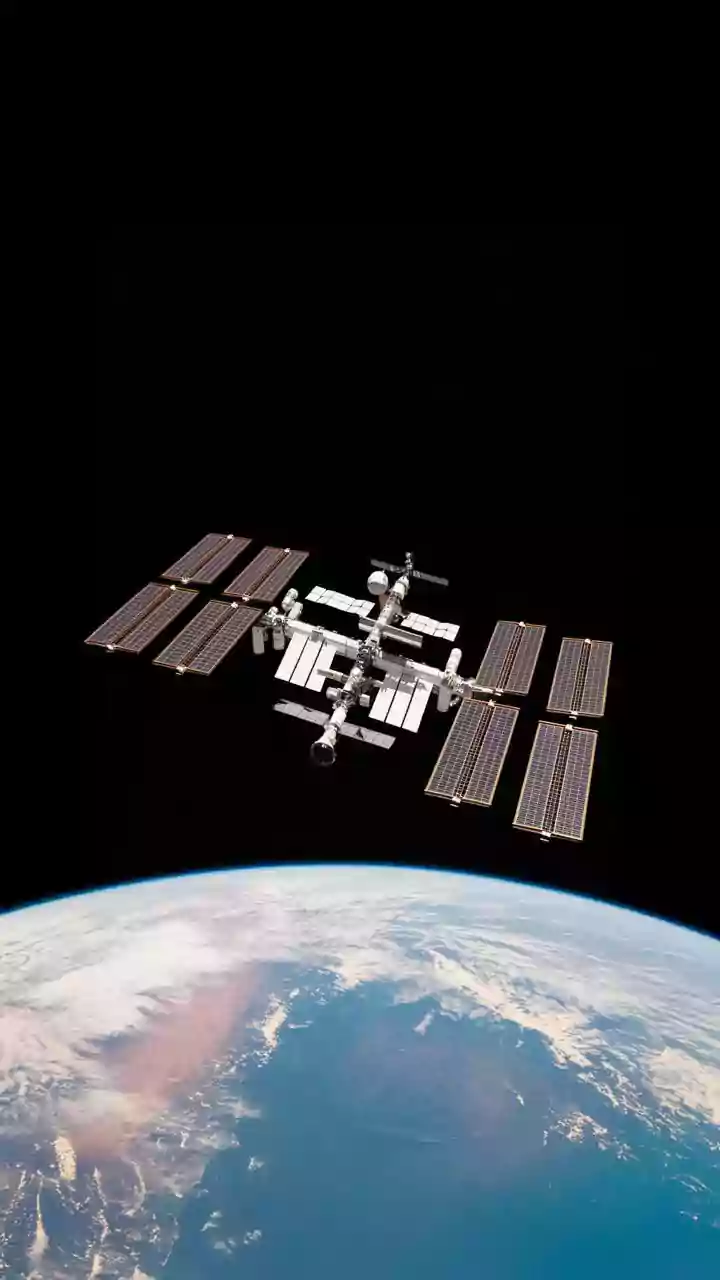
For decades, putting humans in space was the exclusive domain of powerful governments. The ISS, a triumph of international cooperation, was also a monumental, bespoke project with a staggering price tag. Today, the script is flipping. A new wave of private
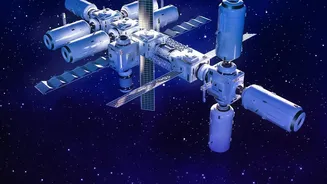
companies like Axiom Space, Blue Origin, and Sierra Space are designing and building commercial successors to the ISS. Their goal isn't just to continue the mission of scientific research, but to create thriving business parks in low-Earth orbit. This fundamental shift from a government-funded lab to a commercial marketplace requires a completely different design philosophy, one built for business, not just exploration.
The Power of Building in Pieces
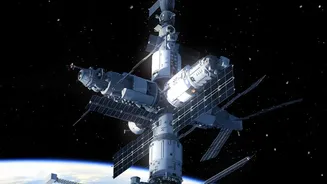
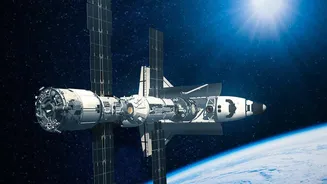
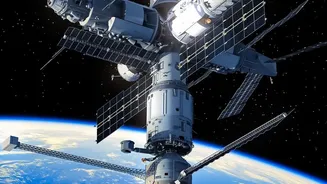
At the heart of this new philosophy is modularity. Think of it like building with Lego bricks instead of carving a statue from a single block of marble. Commercial stations like Axiom Station are designed to be launched one piece at a time and assembled in orbit. Axiom's initial plan involves attaching its first modules to the ISS to test them before detaching to become a free-flying independent station. This approach offers incredible flexibility. A station can start small and expand as market demand grows. If a client needs a new research lab, a manufacturing facility, or even a tourism pod, a new module can be built and docked. This scalability allows station operators to adapt to customer needs without the massive upfront investment required for a single, monolithic structure.
Driving Down the Astronomical Price
For a commercial space station to be a viable business, it must be cost-effective. The single biggest enabler of this is the dramatic reduction in launch costs, largely thanks to reusable rocket technology. Cheaper access to space makes the entire business case for orbital habitats more attractive. But the cost-saving innovations extend to the habitats themselves. Companies are pioneering new materials and construction methods. Sierra Space, for example, is developing the Large Integrated Flexible Environment (LIFE) habitat, an inflatable module. These soft-goods structures can be packed into a relatively small rocket fairing and then expanded in orbit to create a large, multi-story living and working space. This provides a much greater volume of usable space for a given mass, a crucial metric when every kilogram launched costs a significant amount of money.
An Orbital Business Park for All
The ultimate goal of these designs is to serve a diverse orbital economy. Unlike the ISS, which primarily serves national space agencies, commercial stations are being built for a wide range of potential customers. Blue Origin and Sierra Space's Orbital Reef concept is explicitly described as a "mixed-use business park" in space, designed to provide services to industrial, international, and commercial clients. This could include pharmaceutical companies conducting microgravity research, tech firms developing new materials, media companies filming movies, and even space tourists. The modular design with standard interfaces allows these different tenants to lease space and plug into the station's shared infrastructure, from power to life support, much like renting an office in a terrestrial business park.