




From Ancient Pond to Modern Pantry
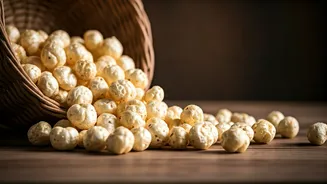
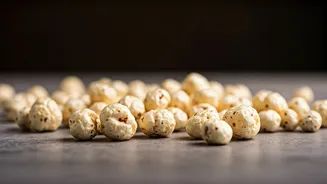
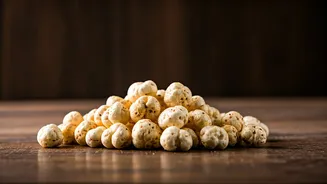
Before it became a trendy health food, makhana—also known as fox nuts or puffed lotus seeds—was a quiet staple in Indian households for centuries. These are not, in fact, nuts. They are the seeds of the Euryale ferox plant, a species of water lily. Harvested
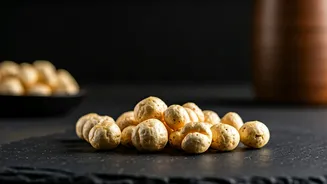
from the bottom of ponds and wetlands, primarily in Bihar, the process of preparing makhana is labour-intensive. The black seeds are collected, dried, and then roasted at a high temperature until the inner kernel pops, much like popcorn, revealing the familiar white puff. This ancient food has long been valued in Ayurvedic traditions and is a go-to choice during religious fasting periods (vrat or upvas) due to its purity and energy-giving properties. Today, it has found a new audience: anyone looking for a wholesome alternative to processed snacks.
Unpacking the 'Guilt-Free' Claim
So, what makes makhana ‘guilt-free’? The answer lies in its impressive nutritional profile. Unlike fried potato chips or extruded snacks loaded with refined flours and unhealthy fats, makhana is naturally low in calories, fat, and sodium. A cup of plain roasted makhana contains significantly fewer calories than a similar portion of chips or even roasted nuts. But it's not just about what it lacks. Makhana is rich in complex carbohydrates, which provide sustained energy rather than a quick sugar spike. It’s a good source of plant-based protein and dietary fibre, both of which contribute to a feeling of fullness and help regulate digestion. Furthermore, these little puffs are packed with essential minerals like magnesium, which is crucial for muscle and nerve function, and potassium, which helps maintain healthy blood pressure. Being naturally gluten-free, they are also an excellent option for those with gluten sensitivities or celiac disease.
The Secret to the Perfect Crunch
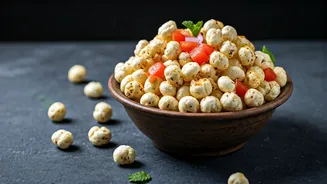
The difference between good makhana and great makhana is all in the crunch. Store-bought versions can sometimes be disappointingly soft, but achieving that perfect, shatter-in-your-mouth texture at home is surprisingly simple. The key is low and slow heat. Whether you use a heavy-bottomed kadai or a non-stick pan, the trick is to dry-roast the makhana on a low flame, stirring frequently to ensure they cook evenly. This process can take 10 to 12 minutes, but patience is rewarded. You’ll know they are done when they become light and crisp. The ultimate test? Take one out, let it cool for a few seconds, and press it between your thumb and finger. If it crushes into a satisfyingly crisp powder, they’re ready. Only after they are perfectly roasted should you add a touch of ghee or your preferred oil. Tossing them in fat while raw will make them chewy, not crunchy.
Flavour Adventures Beyond Salt
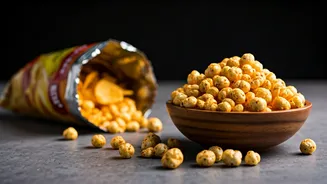
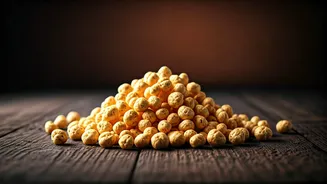
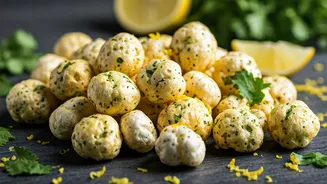
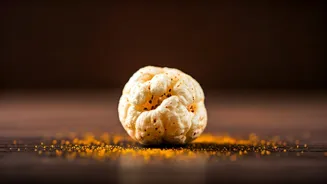
Once you’ve mastered the basic roast, a world of flavour awaits. Makhana’s neutral, slightly earthy taste makes it a perfect canvas for a variety of seasonings. For best results, add your seasonings immediately after tossing the hot, roasted puffs in a teaspoon of ghee or oil; the fat helps the spices adhere beautifully. The classics never fail: a simple sprinkle of black salt (kala namak) and freshly cracked black pepper is divine. For a tangy kick, a generous dusting of chaat masala is unbeatable. If you prefer some heat, try a mix of red chilli powder and turmeric for colour and warmth. You can also get creative with dried herbs like mint (pudina) or roasted and crushed curry leaves. For a sweet treat, a light glaze of jaggery or honey with a pinch of cardamom can transform them into a healthy dessert.
A Snack for All Seasons and Reasons
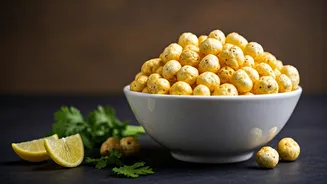
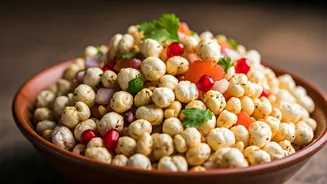
Roasted makhana is more than just a 4 PM hunger-buster. Its versatility is part of its charm. Crush them lightly and use them as a gluten-free 'breading' for cutlets or as a crunchy topping for soups and salads, much like croutons. They can be added to trail mixes for extra bulk and texture or even be the star ingredient in a healthy bhel puri. In North India, makhana kheer (a sweet pudding) and matar makhana (a savoury curry with peas) are celebrated dishes, showcasing the seed’s ability to absorb flavours and provide a unique, soft-yet-chewy texture when cooked in gravies. From a movie-night bowl to a tiffin-box staple, it’s a snack that adapts to every occasion.