



Why This Shift Matters
Across India, from the driest parts of Rajasthan to the bustling metros where water can be scarce, gardeners are rethinking the traditional lawn and water-hungry flowerbeds. This isn't about giving up on greenery; it's about embracing a new kind of abundance.
A low-water garden is more resilient during dry spells, requires less maintenance once established, and is ultimately more in tune with our environment. It reduces the strain on municipal water supplies and can lead to lower water bills. By choosing plants that are naturally suited to our climate, we create gardens that are not only beautiful but also responsible and sustainable for the future.
Start with Your Site, Not a Wishlist
The first step to a successful low-water garden is observation. Before you buy a single plant, understand your space. Where does the sun fall throughout the day? Are there areas that are naturally drier or more exposed to wind? Is your soil sandy and quick-draining or heavy clay that holds moisture? Answering these questions is crucial. Even drought-tolerant plants need some water to get established, and planting them in a spot that matches their needs is the single most important factor for success. This principle, often called 'Right Plant, Right Place', is the foundation of all smart gardening.
Embrace India’s Native Beauties
The best-adapted plants for your garden are often the ones already growing in the local landscape. Native plants have evolved over millennia to thrive in your specific climate and soil conditions, meaning they are naturally prepared to handle local rainfall patterns. Once established, they require minimal supplemental watering. Look to species like the hardy Bougainvillea, the elegant Jarul (Lagerstroemia speciosa), or the ever-present Sadabahar (Catharanthus roseus). Trees like Neem and Peepal offer incredible resilience and shade. By incorporating native species, you not only save water but also support local pollinators and wildlife, creating a richer ecosystem in your own backyard.
The Smart Strategy of Hydrozoning
Hydrozoning is a simple but powerful design concept: group plants together based on their water needs. It seems obvious, but many traditional gardens mix thirsty plants with those that prefer dry conditions, leading to inefficient watering where some plants are overwatered and others are left dry. Create distinct zones in your garden. One zone could be for your most drought-tolerant succulents and grasses that need minimal water. Another could be for perennials that need a moderate amount, and a smaller, manageable zone could house any water-loving plants you can't live without, ideally placed near a water source. This approach allows you to water more effectively and ensures every plant gets exactly what it needs to thrive.
Learn to Read a Plant's Clues
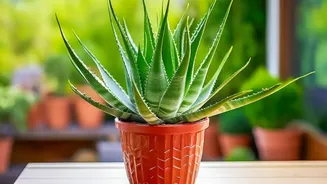
Plants that are adapted to dry conditions often share similar physical traits that you can learn to spot. These characteristics are nature's way of conserving water. Look for plants with small, waxy, or needle-like leaves, which reduce moisture loss through evaporation. Many drought-tolerant plants have grey or silvery foliage that reflects sunlight, keeping the plant cooler. Hairy or fuzzy leaves also help trap moisture near the leaf's surface. And succulents are the most obvious example, with their thick, fleshy leaves and stems designed to store water for long periods. Recognizing these clues will make you a much savvier plant shopper.
Rethink Your Garden's Structure
A water-wise garden is about more than just plant selection. Consider reducing the size of your lawn, which is typically the thirstiest part of any garden, and replacing it with beautiful beds of native groundcover or ornamental grasses. Use mulch, such as wood chips or straw, around your plants. A thick layer of mulch helps the soil retain moisture, reduces evaporation, and suppresses weeds that compete with your plants for water. Thinking about the entire system—soil, plant groupings, and ground cover—is the key to creating a garden that is both stunning and sustainable.