




Why Water Is a Plant's Worst Enemy
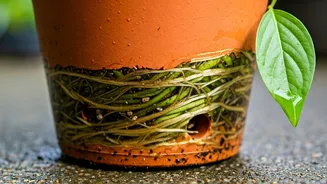
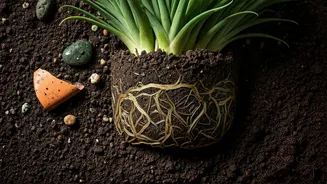
It sounds counterintuitive, but too much water can be more damaging than too little. When soil becomes saturated, the tiny air pockets that roots rely on for oxygen fill with water. Essentially, your plants begin to drown. This oxygen-deprived environment
is the perfect breeding ground for root rot, a fungal disease that turns healthy, white roots into a brown, mushy mess. Once root rot sets in, the plant can no longer absorb nutrients or water, even though it’s sitting in a pool of it. This is why you’ll see a waterlogged plant wilt and turn yellow, looking as if it’s thirsty. The excess water also leaches essential nutrients like nitrogen from the soil, further starving your plants.
Emergency First Aid for Your Garden
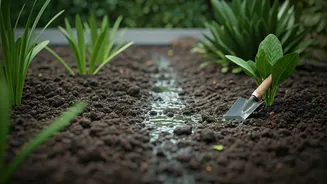
If you find your garden beds looking more like a pond, you need to act fast. First, and most obviously, stop all watering immediately. The goal is to get rid of the standing water as quickly as possible. If the waterlogging is confined to a few areas, use a shovel to carefully dig a small, temporary trench to a lower-lying area, allowing the surface water to drain away. Be gentle to avoid compacting the soil further. Once the surface is clear and the soil is no longer saturated (it should be moist, not muddy), you can gently aerate it. Use a garden fork to poke deep holes into the soil around your plants, being careful not to damage the main root ball. This creates channels for air to get back to the suffering roots.
Improve Your Soil's Structure
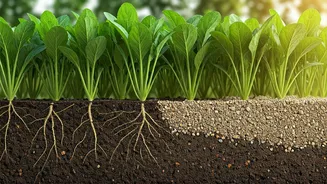
Preventing future waterlogging starts from the ground up—literally. The problem often lies with poor soil structure, especially in areas with heavy clay or black cotton soil, which is common in many parts of India. These soils have very fine particles that compact easily, leaving no room for water to drain through. The long-term solution is to improve the soil's texture by adding organic matter. Regularly incorporating well-rotted compost, aged manure, or cocopeat will do wonders. These materials create a spongier, more crumbly soil structure. The organic matter binds small clay particles into larger clumps, creating the air pockets and drainage channels your plants need to survive heavy rainfall. This isn't a one-time fix; aim to add a layer of compost to your beds at least once or twice a year.
Build Up with Raised Beds
For gardens with chronic drainage issues, one of the most effective solutions is to simply lift your plants out of the problem zone. Raised garden beds are an excellent way to ensure your plants have perfect soil and drainage, regardless of the ground beneath. You can build them with wood, bricks, or stone, typically raising them at least 12 inches above ground level. You then fill these beds with a high-quality mix of topsoil, compost, and cocopeat. This custom soil environment provides superior drainage, preventing water from ever pooling around your plants' roots. Raised beds also warm up faster and are easier to work in, saving your back from constant bending.
Choose Plants That Don't Mind Wet Feet
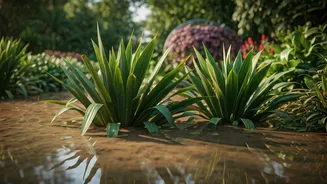
Another smart strategy is to work with nature, not against it. If you have a low-lying spot in your garden that consistently collects water, turn it into a feature by planting species that are tolerant of boggy conditions. Instead of fighting the inevitable puddle, embrace it. Many beautiful plants thrive in moist soil. Canna lilies, with their vibrant flowers and large leaves, are a fantastic choice. Colocasia (arbi or elephant ear) and Alocasia varieties love water and add a dramatic, tropical feel. Other options include ornamental grasses like vetiver, flowering plants like Siberian iris, and many types of ferns. By placing these water-lovers in the soggiest parts of your yard, you solve a problem and create a beautiful, resilient garden feature.