






The Renter’s Humidity Dilemma
Living in a rental property during the Indian monsoon presents a unique set of challenges. While homeowners might invest in expensive electric dehumidifiers or permanent ventilation systems, renters need solutions that are affordable, portable, and don't
violate their lease agreement. High humidity isn't just about comfort; it can lead to mould growth on walls and clothes, damage wooden furniture, and create an unhealthy living environment by encouraging dust mites and allergens. Many rental homes, particularly in older buildings, may lack adequate cross-ventilation, trapping moist air inside. This makes finding effective, non-permanent air control methods crucial for a healthy and comfortable season.
The Silent Worker: Clay Dehumidifiers
Enter the clay dehumidifier, a simple yet effective tool perfect for small, enclosed spaces. These are typically made from porous materials like bentonite clay, montmorillonite clay, or terracotta, often combined with activated charcoal. They work through a natural process called adsorption, where the tiny pores in the clay attract and trap water vapour from the air. Unlike electric models, they are silent, require no power, and are completely reusable. This makes them ideal for renters. You can place them in wardrobes, shoe racks, small bathrooms, or under the sink to combat localised dampness and prevent that dreaded musty smell. Their cost-effectiveness and eco-friendly nature are significant advantages for anyone looking for a sustainable solution.
Maximising Your Clay Companion
To get the most out of a clay dehumidifier, placement is key. Focus on smaller, contained areas where airflow is minimal. When the clay becomes saturated with moisture (it will often feel heavier), it needs to be “recharged.” This is easily done by placing it in direct sunlight for a few hours or gently heating it in an oven at a low temperature to dry it out. This process releases the trapped moisture, making the clay ready to absorb humidity again. While they won’t dehumidify an entire apartment, they are brilliant for protecting your clothes, books, and other stored items from moisture damage throughout the rainy season. Some people also use bowls of coarse rock salt, which works on a similar principle of drawing moisture from the air.
Green Lungs and Natural Dehumidifiers
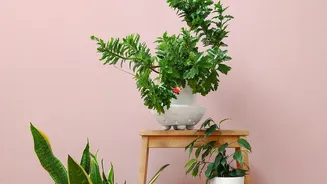
Pairing clay dehumidifiers with the right houseplants creates a powerful, two-pronged attack against humidity. Certain plants are natural air purifiers and dehumidifiers, absorbing moisture from the air through their leaves. This process, known as transpiration, helps balance indoor humidity levels while adding a touch of nature and beauty to your space. For renters, plants are an ideal decorating tool that doubles as a functional air-quality improver. They require no installation and can move with you from one home to the next. The key is to choose plants that thrive in high humidity and are relatively easy to care for.
Top Plants for Monsoon Moisture Control
Not all plants are created equal when it comes to tackling humidity. Here are a few top performers that are perfect for Indian apartments: 1. Peace Lily (Spathiphyllum): This elegant plant with its white spathes is a powerhouse. It absorbs moisture through its large leaves and is known for its ability to filter common indoor toxins. It thrives in high humidity and prefers shady spots, making it perfect for a dim corner. 2. Snake Plant (Sansevieria): Often called mother-in-law's tongue, this hardy plant is nearly indestructible. It absorbs moisture and releases oxygen at night, making it an excellent bedroom companion. Its upright leaves are striking, and it tolerates low light and infrequent watering. 3. Spider Plant (Chlorophytum comosum): Recognised for its air-purifying capabilities, the spider plant is also effective at absorbing airborne moisture. It's incredibly low-maintenance and produces “pups” that can be easily repotted. 4. Boston Fern (Nephrolepis exaltata): This lush, feathery fern loves humidity and is one of the best plants for absorbing airborne moisture. It’s perfect for a bathroom or kitchen where steam is common.