



Ginger and Turmeric: The Power Duo
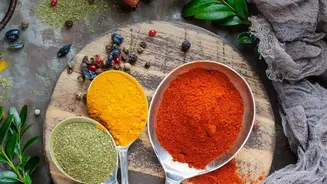
Ginger and turmeric are foundational to monsoon cooking, acting as a first line of defence for your body. The rainy season often brings a spike in colds and flu, and this pair is celebrated for its immunity-boosting properties. Ginger, or adrak, is a natural
expectorant that provides relief from sore throats and coughs, while also aiding digestion, which tends to be weaker during this humid season. Turmeric, or haldi, contains curcumin, a compound known for its powerful anti-inflammatory and antioxidant effects. A cup of hot ginger tea is a classic monsoon ritual, and a pinch of turmeric in warm milk before bed is a timeless remedy for fighting off infections. Together, they form the base of many dals, curries, and kadhas (herbal decoctions) that keep you warm and resilient.
Warming Spices: Pepper, Cloves, and Cinnamon
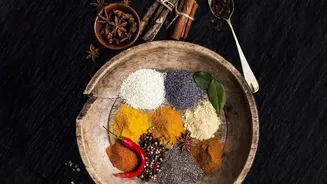
When the air gets damp and chilly, warming spices become your best friends. Black pepper (kali mirch), cloves (laung), and cinnamon (dalchini) do more than just add flavour; they help regulate body temperature and support overall health. Black pepper is excellent for digestion and can help relieve coughs. Cloves are known for their antiseptic properties, which can help combat infections that are more common during the monsoon. Cinnamon is packed with antioxidants and has anti-inflammatory qualities. These spices are essential in dishes like rasam, a peppery South Indian soup that is deeply comforting on a rainy day, or a fragrant masala chai that warms you from the inside out. Sprinkling these into your soups, stews, and hot beverages is an easy way to harness their benefits.
Lentils and Pulses: For Hearty Meals
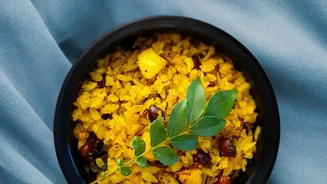
The monsoon is the perfect time for hearty, protein-rich meals that are easy to digest. Lentils and pulses, especially moong dal, are ideal. According to Ayurveda, the body’s digestive fire (Agni) is weaker during the rainy season, making light, well-cooked foods the best choice. Khichdi, a one-pot dish made from rice and moong dal, is considered the ultimate monsoon comfort food. It’s nutritious, easy on the stomach, and endlessly adaptable with vegetables and spices. Other dals like masoor and toor are also great for making simple, nourishing soups and curries that pair perfectly with rice or roti, providing sustained energy on gloomy days.
Besan: The Snack-Time Staple
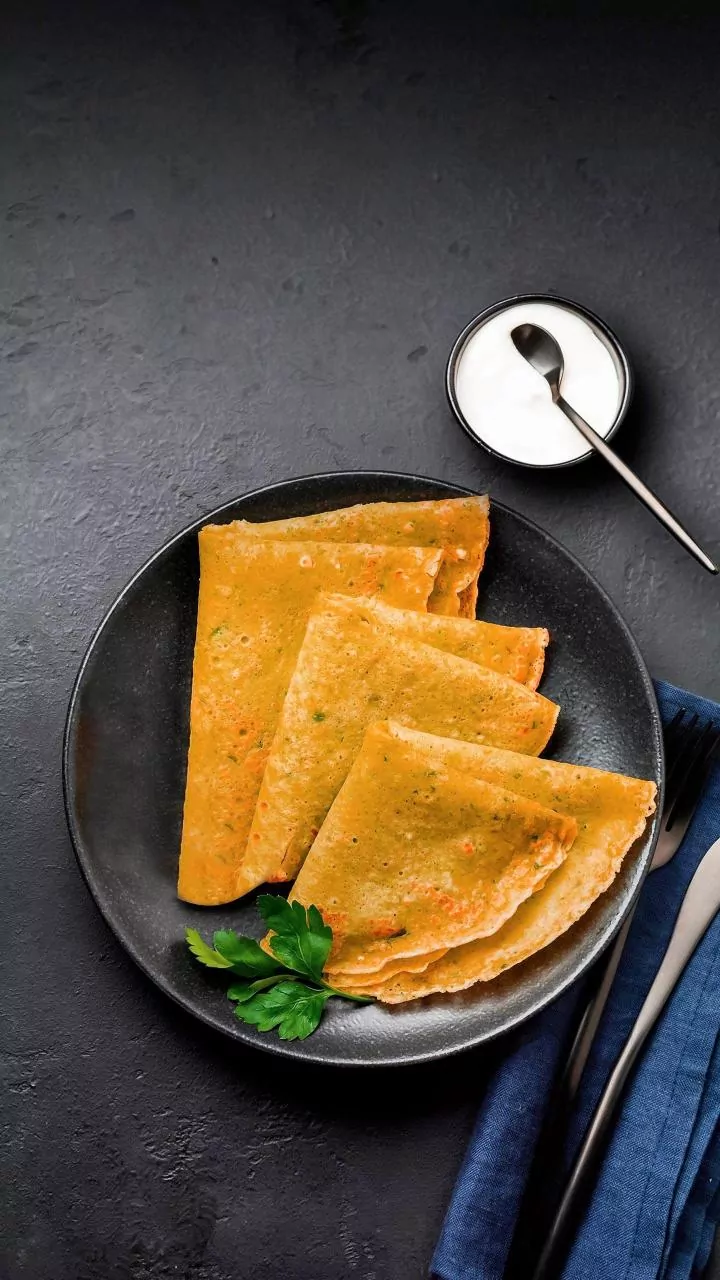
What’s an Indian monsoon without the sizzle of something frying? Besan, or gram flour, is the undisputed star of rainy-day snacks. It’s the key ingredient for making pakoras, the crispy fritters that are synonymous with the season. From onion and potato to paneer and spinach, almost anything can be dipped in a spiced besan batter and fried to golden perfection. While indulging in fried foods is a cherished monsoon tradition, besan is also used to make healthier options like chilla—a savoury pancake mixed with spices and vegetables—which serves as a quick and nutritious breakfast or snack.
Digestive Aids: Ajwain and Hing
With digestion being a key concern during the monsoon, certain spices are crucial for gut health. Ajwain (carom seeds) and hing (asafoetida) are two such essentials. Ajwain is incredibly effective at relieving indigestion, bloating, and gas. It’s often added to the batter for pakoras and other fried foods to make them easier to digest. Hing, a pungent gum resin, is used in small quantities in dals and vegetable dishes to prevent flatulence and support the digestive system. Its antiviral and antifungal properties are an added bonus, helping protect against common seasonal ailments.
Seasonal Produce: Gourds and Corn
While leafy greens are often avoided during the monsoon due to the higher risk of contamination, other vegetables come into their own. Gourds like lauki (bottle gourd) and turai (ridge gourd) are highly recommended. They are light, easy to digest, and have high water content, making them perfect for simple, home-cooked sabzis and soups. Another monsoon favourite is bhutta, or corn on the cob. Whether roasted over coals and slathered with lemon, salt, and chilli, or boiled and turned into a warm masala corn chaat, it’s a healthy and satisfying snack that captures the essence of the season.