

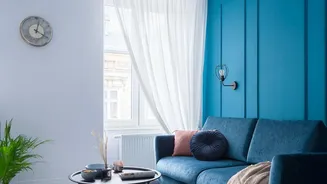


The Rise of 'Fast Decor'
Much like fast fashion, 'fast decor' has become a major trend, encouraging the rapid turnover of home accessories based on fleeting, social media-driven micro-trends. This model thrives on low-cost, mass-produced items, with plastic being a primary material.
The appeal is obvious: you can update your living room for the cost of a weekend takeaway. However, this culture of disposability comes at a cost. These trendy plastic pieces—vases, trays, and small decorative objects—often look dated within a year and lack the quality to endure. They are prone to breaking, fading, and scratching, and ultimately contribute to a growing mountain of landfill waste.
The Timeless Appeal of Timber
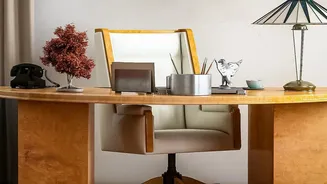
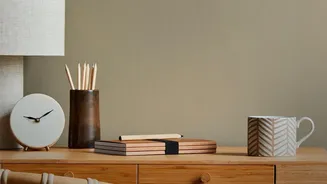
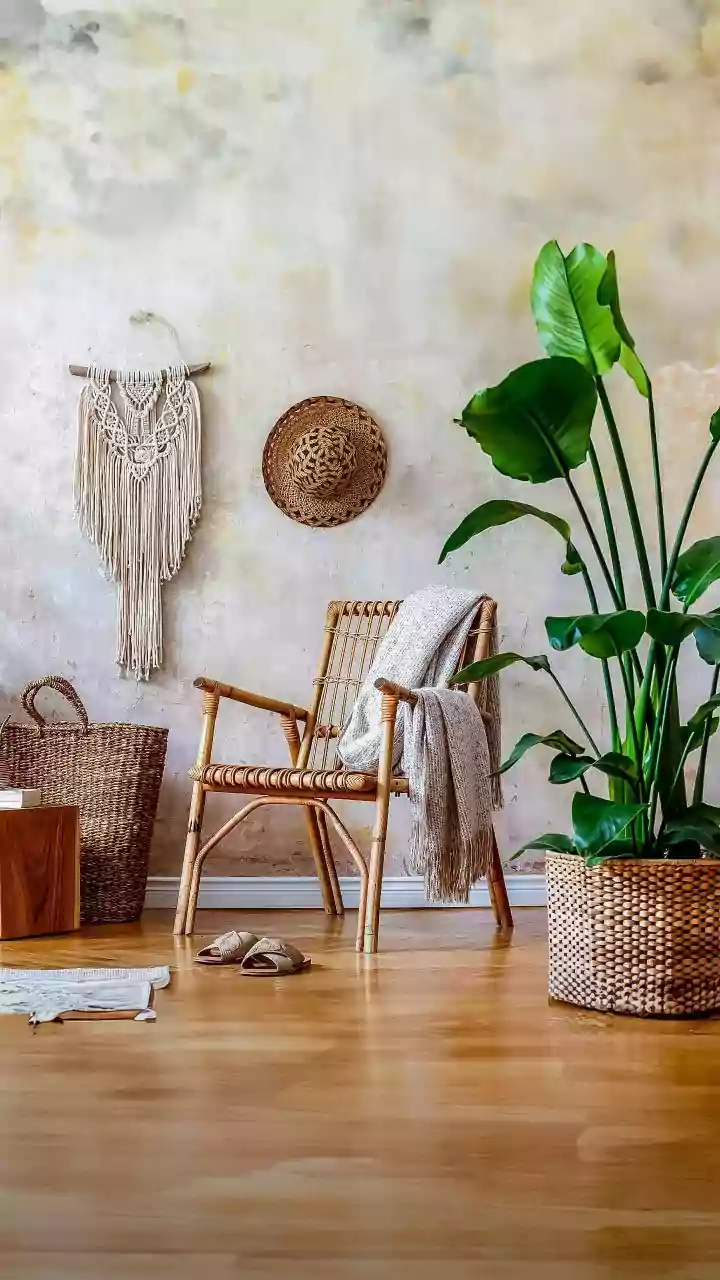
In contrast, wood offers a timeless quality that plastic simply cannot replicate. Incorporating natural materials is a cornerstone of enduring design philosophies like biophilic design, which seeks to connect our indoor spaces with nature. Textured wood, in particular, adds depth, warmth, and a tactile richness that engages the senses. Think of the satisfying grain of a sheesham wood tray or the rustic charm of a carved mango wood panel. These pieces bring an organic, grounding energy into a room, making a house feel more like a home. Unlike plastic, which degrades over time, high-quality wood develops a patina, gaining character and beauty with age.
Durability and Long-Term Value
When it comes to longevity, there is no contest. Plastic decor is often brittle and can easily crack, warp, or melt. Once damaged, it’s almost always destined for the bin. Wood, on the other hand, is remarkably durable. With proper care, wooden accents can last for generations. Minor scratches or dents on a solid wood piece can be sanded down and refinished, restoring it to its original beauty. This repairability means a single investment in a quality wooden item can outlast dozens of its plastic counterparts. While the initial cost may be higher, choosing wood is a more economical decision in the long run, as you are buying a piece once, rather than repeatedly replacing a cheaper alternative.
A More Sustainable Choice for Your Home
The environmental argument is one of the most compelling reasons to choose wood over plastic. Plastic is derived from non-renewable fossil fuels, and its production is energy-intensive, releasing significant greenhouse gases. Furthermore, plastic pollution is a global crisis, with discarded items breaking down into harmful microplastics that persist in the environment for centuries. Wood, when sourced from responsibly managed forests, is a renewable resource. Trees absorb carbon dioxide as they grow, and that carbon remains stored in the wood throughout its life. At the end of its long life, wood is biodegradable and can return to the earth without causing harm. This makes it a far gentler choice for the planet.
How to Incorporate Timber Accents
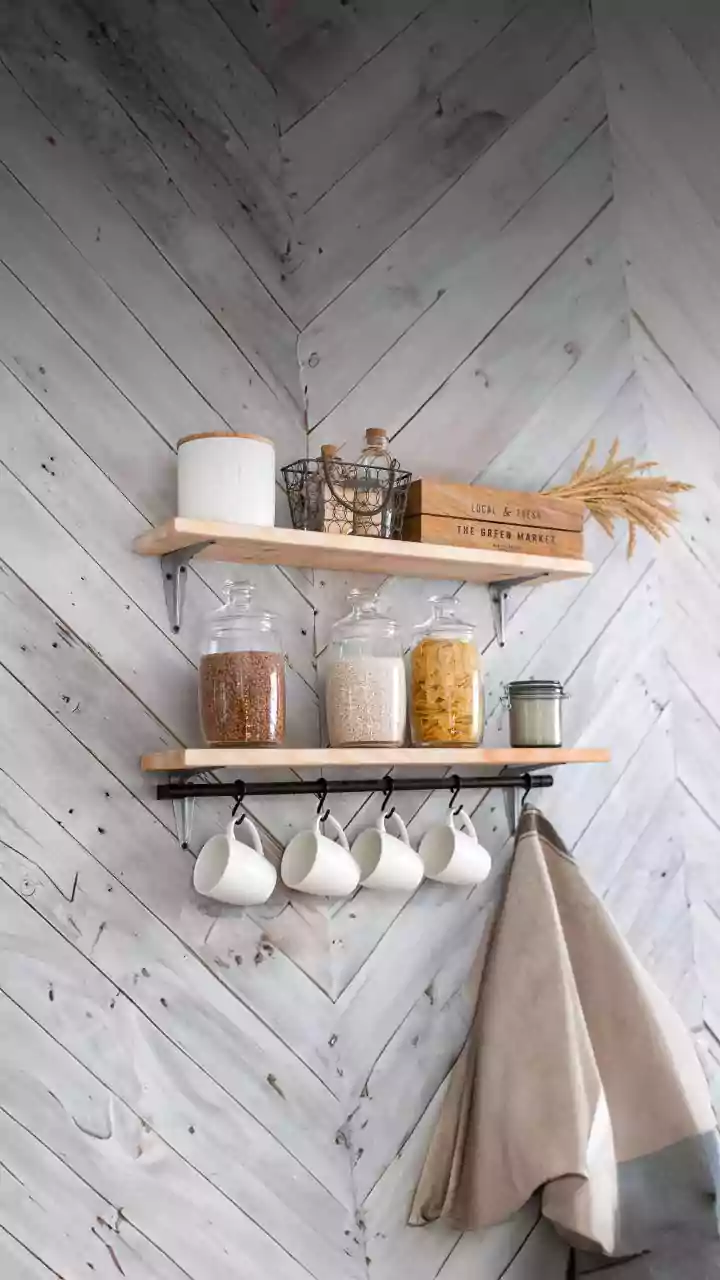
Introducing timber into your decor doesn't require a complete overhaul. Start small with functional yet beautiful pieces. A set of wooden coasters, a picture frame, or a small decorative bowl can instantly add warmth. Look for items with interesting textures, such as fluted, hand-carved, or live-edge finishes. In India, there is a rich tradition of craftsmanship using beautiful local woods like teak, sheesham, and mango wood, which are perfect for adding an authentic touch. Consider a statement piece like a wooden-framed mirror, a small side table, or a set of floating shelves. Mixing different wood tones is also encouraged, as it creates a more layered and natural look.