



The Difference Is in the Details
Not all waterproof bags are created equal. Many standard options are merely 'water-resistant,' designed to handle light splashes or brief showers. Commercial-grade dry bags, however, are built for total submersion. The secret lies in their construction.
They typically use heavy-duty materials like thick PVC (polyvinyl chloride) or TPU-laminated fabrics, which are inherently waterproof and highly durable. More importantly, their seams are not stitched but welded. Using techniques like Radio Frequency (RF) welding, the fabric pieces are molecularly bonded, creating a seamless, airtight, and watertight seal that is often stronger than the material itself. This method eliminates needle holes, the primary weak point in traditionally sewn and taped bags.
Built to Withstand the Journey
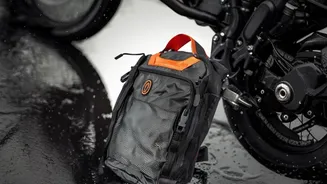
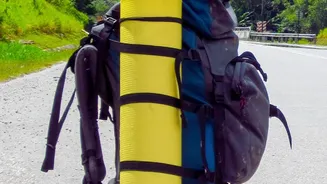
Backpacking in India, from the rugged trails of the Himalayas to the crowded chaos of city bus terminals, is tough on gear. This is where a commercial-grade bag proves its worth as a long-term investment. The robust materials offer superior abrasion and puncture resistance. While a lightweight 'dry sack' is designed for internal pack organisation, a heavy-duty dry bag is built to be strapped to a motorcycle, tossed in a boat, or dragged against rocks without failing. This durability means you're not just buying protection for one trip, but reliable performance for years to come. It’s the difference between a disposable solution and a core piece of your travel kit that you can depend on, adventure after adventure.
Insurance for Your Irreplaceables
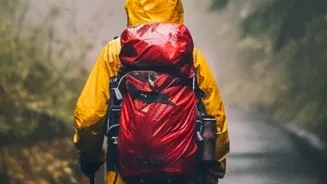
Think of a high-quality dry bag as an insurance policy for your most critical items. A sudden monsoon downpour can destroy a camera, laptop, or smartphone in seconds, costing you far more than the price of a good bag. For many travellers, these bags are non-negotiable for protecting electronics, passports, and essential medications. Beyond weather, they also protect against internal pack disasters, like a leaking water bottle or shampoo explosion. The peace of mind that comes from knowing your valuables are completely sealed off from the elements is invaluable, allowing you to focus on the experience instead of worrying about your gear.
The Ultimate Multitasker
A smart backpacker values gear that serves multiple purposes, and a dry bag excels here. When sealed with air trapped inside, it can function as a buoyancy aid during a river crossing. Turn it inside out, and it becomes a makeshift bucket for carrying water or even a portable washing machine for clothes at a campsite. It’s an excellent way to isolate wet swimsuits or muddy shoes from clean clothes in your main pack and to contain odours from dirty laundry. On a long bus journey or at a rustic campsite, a dry bag filled with soft clothes can even serve as a surprisingly comfortable pillow.
Choosing the Right Size
Dry bags are sized in litres, and the right choice depends on your needs. A small 5-10 litre bag is perfect for protecting electronics, a first-aid kit, and other small essentials. A medium 15-20 litre bag is often considered the most versatile size, ideal for a day's change of clothes or a sleeping bag. For longer expeditions or as a complete pack liner, bags can go up to 60 litres and beyond. Many seasoned travellers prefer using a few smaller, colour-coded bags to organise their gear within a larger backpack, making it easy to find what they need without rummaging.