


The Illusion of Space
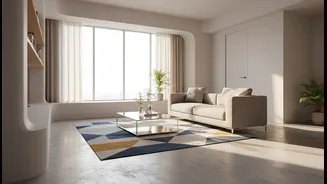
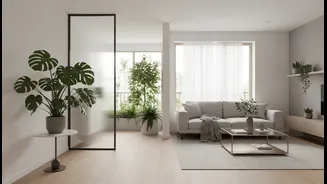
The feeling of a room being 'small' is often about perception, not just square meterage. Our brains associate brightness and elements of nature with openness and calm. By cleverly using light to brighten corners and plants to add life and draw the eye,
you can trick the brain into perceiving more space. This approach, known as biophilic design, is about intentionally connecting our indoor spaces with nature to improve wellbeing and create a more dynamic environment. It's not about adding more things, but about making the right additions feel purposeful and expansive.
Maximise Every Ray of Sunshine
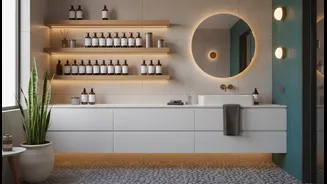
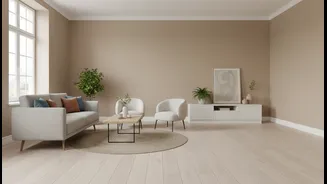
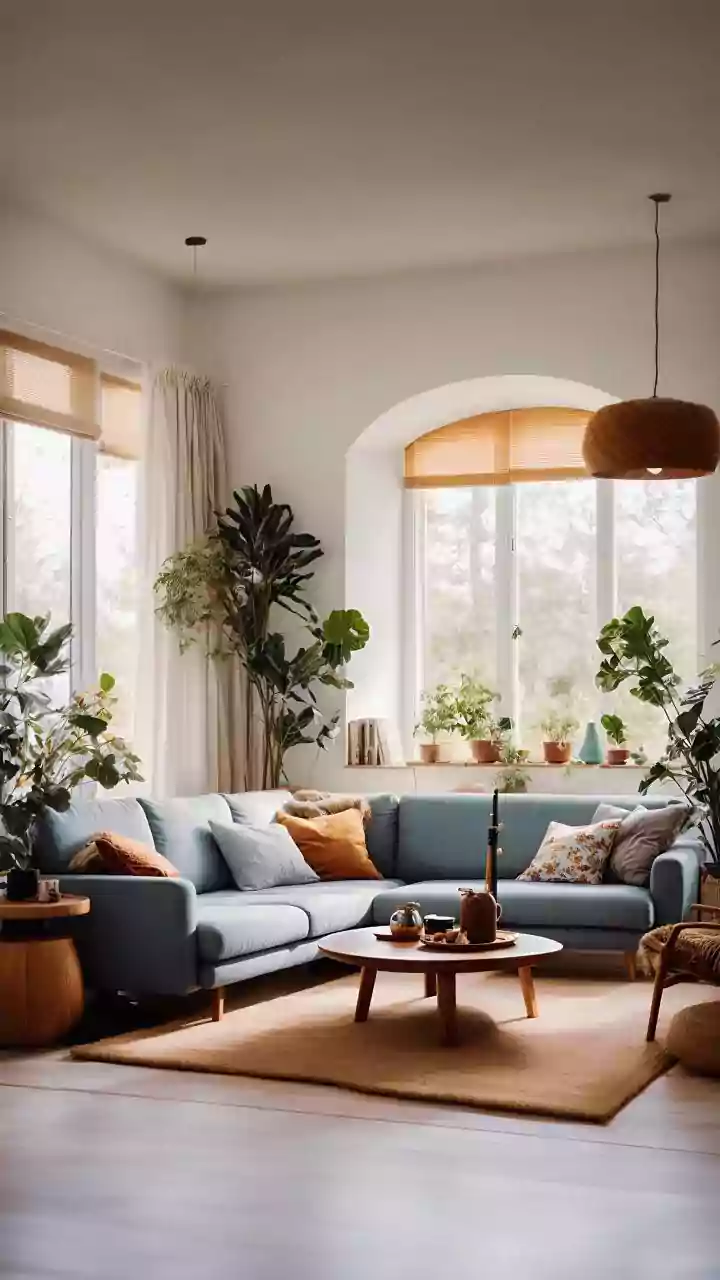
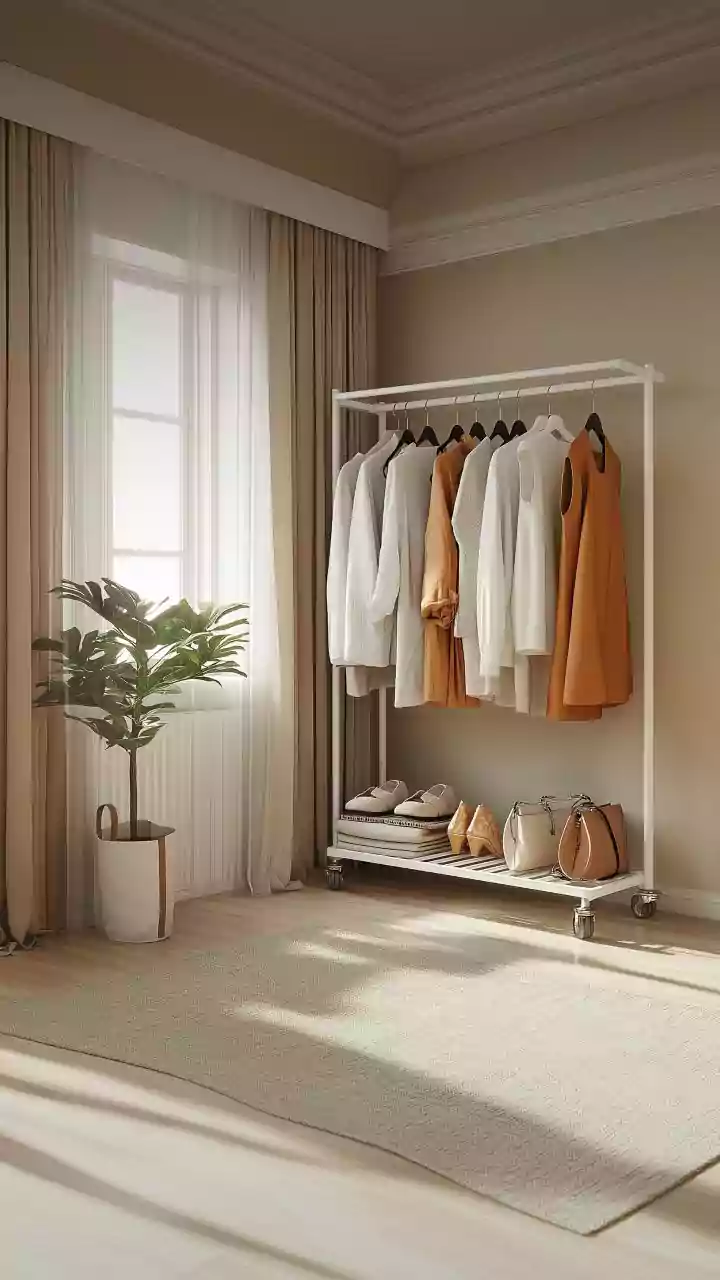
Natural light is your best and cheapest tool for making a room feel bigger. Instead of heavy, dark curtains, opt for sheer or light-coloured blinds that allow daylight to flood in while still providing privacy. The single most effective trick is to place a large mirror on the wall opposite a window. This will capture the incoming light and bounce it deep into the room, instantly brightening the space and creating an illusion of depth. Even on cloudy days, this technique dramatically increases the room's brightness. Light-coloured paint on the walls in shades of white, cream, or soft grey will further amplify this effect by reflecting rather than absorbing light.
Layer Your Artificial Lighting
One single overhead light can create harsh shadows and make a ceiling feel lower. A well-lit room uses multiple sources of light at different heights, a technique called layering. Aim for a combination of three types: ambient, task, and accent lighting. Ambient light is your general, overall illumination, like a stylish ceiling fixture. Task lighting is focused, such as a floor lamp by a reading chair or a desk lamp. Accent lighting is used to highlight specific features, like a piece of art or, importantly, a beautiful plant, which draws the eye and creates visual interest. This layered approach eliminates dark corners and gives the room a more sophisticated, expansive feel.
Choose Your Green Allies Wisely
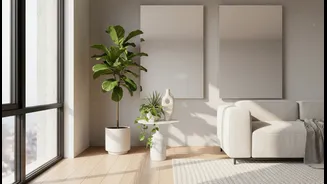
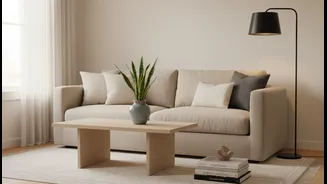
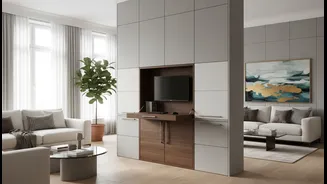
When it comes to plants, think vertical. Tall, slender plants like a snake plant or a fiddle-leaf fig draw the eye upward, creating an illusion of height. These are more effective at creating a sense of space than short, bushy plants that can make a room feel cluttered. For smaller surfaces and shelves, consider plants with a delicate or trailing habit, like a pothos or string of pearls, which can be hung from the ceiling or allowed to cascade down a bookshelf. This utilises vertical space without taking up valuable floor area. Don’t feel you need to create a dense jungle; a few well-chosen plants will have more impact than a dozen mismatched small ones.
The Synergy of Strategic Placement
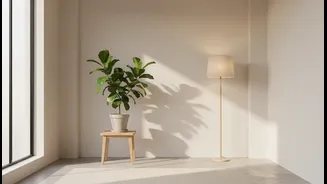
This is where the magic happens. The goal is to make your light and plants work as a team. Place a tall plant in a corner that receives good natural light; its leaves will catch the sun and create beautiful, shifting patterns. Use an accent spotlight to illuminate a large plant from below, turning it into a living sculpture and casting soft shadows that add depth to the wall behind it. A trailing plant on a high shelf near a window can help filter the light, creating a soft, diffused glow. Placing a lush plant next to a mirror doubles its visual impact and reflects more greenery around the room, enhancing the feeling of a natural oasis. By pairing these elements, you’re not just decorating; you’re actively shaping the perception of your space.