



Looking for a unique dessert to delight your guests? This guide to Sitaphal Phirni introduces a creamy, chilled Indian pudding that perfectly blends tradition with the luscious, seasonal sweetness of custard apple. An elegant showstopper.
The Allure of Sitaphal
Sitaphal, also
known as custard apple, is a quintessential Indian winter fruit. With its bumpy, green-black exterior and thick, creamy white flesh, it offers a unique taste often described as a mix between a pineapple and a banana. This naturally sweet fruit is packed with nutrients like Vitamin C, Vitamin B6, and fibre, making it a wholesome addition to any dish. Its inherent creaminess and pleasant aroma make it a perfect candidate for desserts, lending a rich texture and flavour that is both exotic and comforting. The key to using sitaphal is patience; the fruit must be perfectly ripe to yield its sweet, scoopable pulp, and the glossy black seeds inside must be meticulously removed as they are not edible.
Understanding Phirni
Phirni is a classic North Indian dessert with roots tracing back to Mughal kitchens. While often compared to its cousin, kheer, there is a fundamental difference: phirni is made with ground rice, whereas kheer uses whole rice grains. This distinction gives phirni its signature smooth, yet slightly granular texture, creating a pudding that is dense and velvety. Traditionally, it is prepared by slow-cooking ground basmati rice in milk until it thickens, then sweetened with sugar and flavoured with aromatics like cardamom, saffron, or rose water. Phirni is almost always served chilled, a practice that enhances its creamy consistency and allows the flavours to meld beautifully.
A Step-by-Step Guide to Perfection
Making Sitaphal Phirni is a rewarding process. Start with the rice: take ¼ cup of basmati rice, wash it, and soak it for at least 30 minutes. After soaking, drain the water completely and grind the rice into a coarse, semolina-like texture. Next, bring one litre of full-fat milk to a gentle boil in a heavy-bottomed pan, then let it simmer for about 10 minutes to thicken slightly. Slowly add the ground rice paste to the simmering milk, stirring continuously to prevent any lumps from forming. Cook this mixture on low heat for 15-20 minutes, stirring frequently until the rice is cooked and the mixture has thickened considerably. Now, add ½ cup of sugar and continue to cook for another five minutes until the sugar has fully dissolved. Turn off the heat and let the phirni cool down. It's crucial to wait for the mixture to be warm, not hot, before the final step.
Incorporating the Star Ingredient
Once the phirni base has cooled slightly, it's time to introduce the sitaphal. Gently fold in about one cup of fresh, de-seeded custard apple pulp. Stirring it into a warm (not hot) base ensures the delicate flavour of the fruit is preserved. At this stage, you can also add flavourings like a ½ teaspoon of cardamom powder or a splash of rose water. The natural sweetness of the sitaphal complements the creamy rice pudding, creating a dessert that is rich but not overpowering. For a professional touch, keep stirring the phirni as it cools to prevent a skin from forming on top, ensuring a smooth texture throughout.
Tips for Serving and Presentation
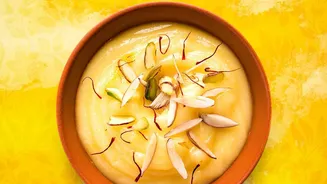
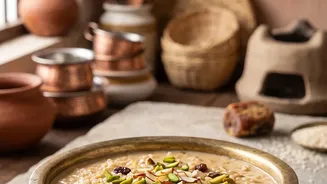
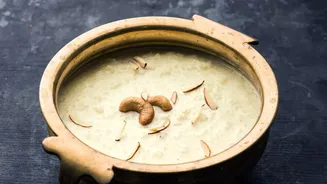
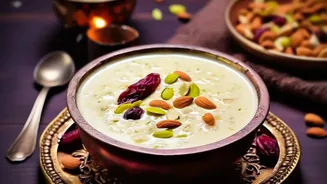
The final presentation elevates this dessert from a simple pudding to a guestworthy treat. Traditionally, phirni is served in small earthen bowls called 'shikoras' or 'matkas'. These porous clay bowls absorb excess moisture, helping the phirni to set to a thicker consistency while imparting a subtle, earthy aroma. After pouring the phirni into your chosen bowls, let it cool to room temperature before covering and chilling in the refrigerator for at least four hours, or ideally overnight. This chilling time is essential for the phirni to set properly and for the flavours to deepen. Just before serving, garnish with slivered pistachios, almonds, and perhaps a few strands of saffron for a pop of colour and an extra layer of texture.