

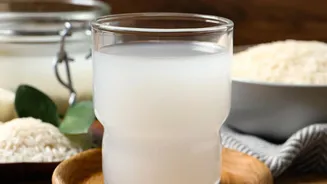
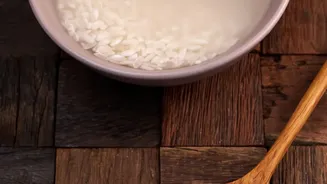
An Ancient Practice Rediscovered
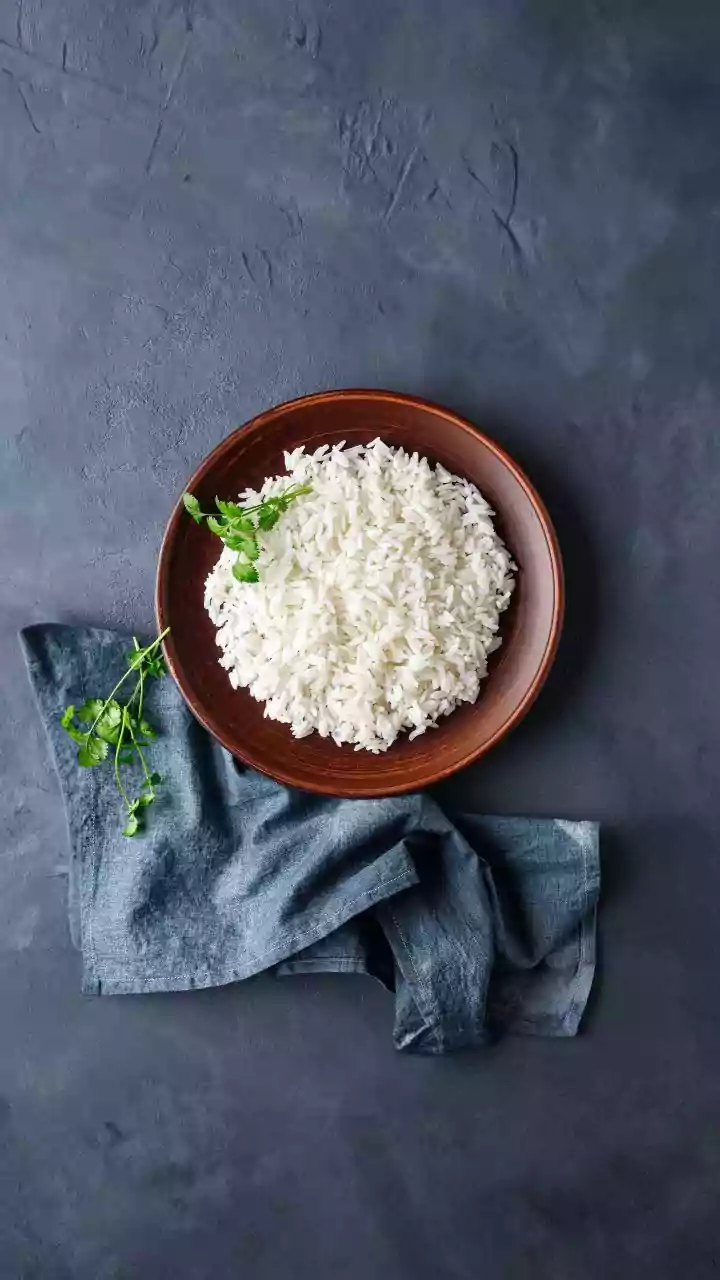
Using rice water for beauty is not a new trend, but a tradition with deep roots in Asian cultures. For centuries, women in China, Japan, and Korea have used the starchy water left over from rinsing rice to cleanse and nourish their hair and skin. The
most famous example comes from the Yao women of Huangluo village in China, who are renowned for their incredibly long, strong, and dark hair, which they traditionally wash with fermented rice water. This practice was not a luxury but a simple, accessible form of self-care, passed down through generations. The current popularity surge is driven by a renewed interest in natural, DIY, and holistic wellness solutions.
The Claims for Hair: Strength and Shine
Advocates for rice water claim it can detangle, smooth, and strengthen hair, helping it grow longer and shinier. The magic is often attributed to its composition, which includes amino acids, B vitamins, vitamin E, and minerals. A key component mentioned is inositol, a carbohydrate that studies suggest can penetrate damaged hair and remain there even after rinsing, providing a protective shield. The fermentation process is believed to enhance these benefits. Fermentation lowers the water's pH to be closer to that of healthy hair, which helps keep the hair cuticle smooth and flat. It also breaks down larger proteins into smaller amino acids that are more easily absorbed by the hair shaft.
Skin Benefits: A Soothing Solution?
The benefits aren't just for hair. On skin, fermented rice water is purported to have soothing, brightening, and anti-aging properties. The antioxidants it contains, such as vitamin E, may help protect the skin from environmental damage. Some commercial anti-aging products even feature 'pitera', a nutrient-rich liquid derived from yeast fermentation, which was discovered during observations of sake brewers' youthful hands. Fermented rice water is believed to contain trace amounts of this substance. Its gentle, anti-inflammatory properties are said to calm irritated skin and support a healthy skin barrier.
What Does Science Actually Say?
While the anecdotal and historical evidence is compelling, direct scientific research on fermented rice water is limited. Many of the claims are based on the known benefits of its individual components, not studies on the homemade concoction itself. For example, inositol has been studied for its hair-repairing qualities, and antioxidants are well-known for their protective effects. Some research confirms that the fermentation process can increase the antioxidant levels in substances. However, there is a lack of large-scale clinical trials specifically validating the use of fermented rice water for hair growth or skin perfection. Most of the 'proof' remains in traditional use and modern testimonials.
How to Make It and Potential Risks
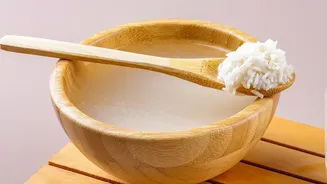
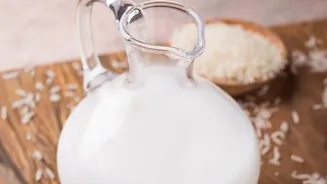
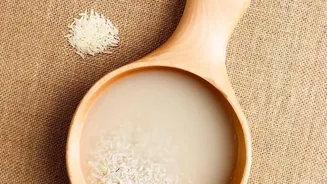
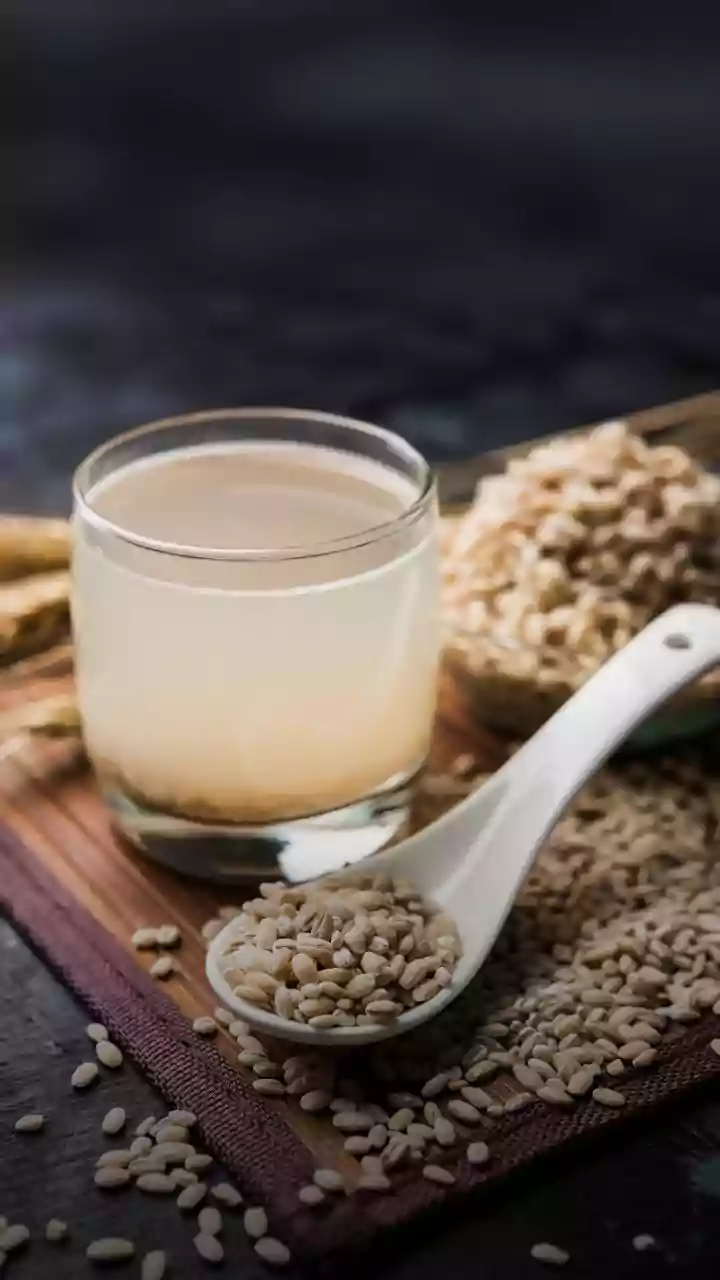
Making it at home is simple: soak rinsed rice in water for at least 30 minutes (for plain rice water) or leave it at room temperature for 1-2 days to ferment before straining. While it's a natural remedy, it’s not without risks. For some hair types, particularly low-porosity or protein-sensitive hair, the high starch and protein content can lead to buildup, causing stiffness, dryness, and breakage with overuse. For skin, a poorly prepared or overly potent batch of fermented rice water can clog pores or cause irritation. The fermentation time is also highly dependent on temperature, and leaving the water for too long can encourage harmful bacteria or mold growth. It's crucial to start slowly, perhaps using a diluted mixture once a week, and always perform a patch test on your skin or a small section of hair first.