

More Than a Colour, It's a Material
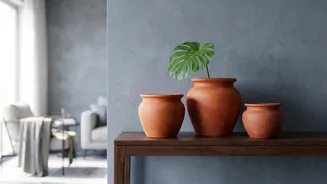
When you hear terracotta, you might picture rustic garden pots, but the trend taking over today's kitchens is far more sophisticated. Translating to “baked earth,” terracotta is a type of earthenware clay that has been used for centuries. Today’s revival
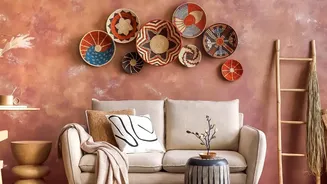
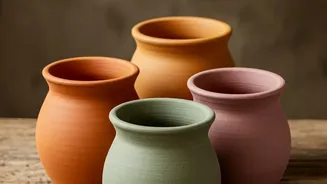
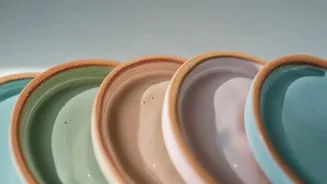
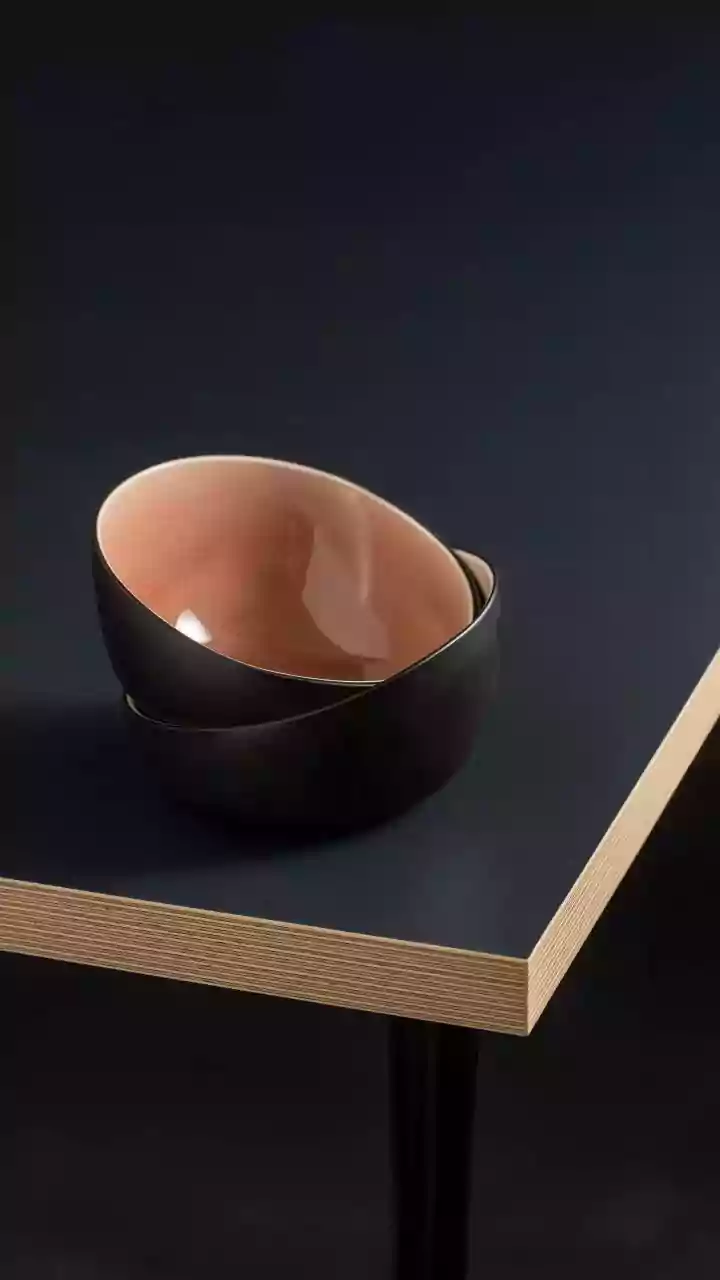
isn't about recreating a vintage look, but about embracing its modern potential. Think refined shapes, matte finishes, and a complex palette that ranges from dusty pinks to deep cinnamon reds. It serves as a warm, soulful neutral that injects character into a kitchen, pushing back against years of sterile, all-white minimalism. This renewed interest is part of a collective desire for our homes to feel more grounded and connected to nature.
The Gen Z Connection: Authenticity and Sustainability
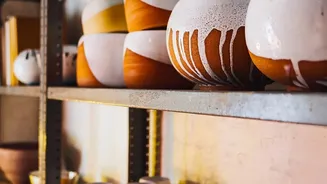
The resurgence of terracotta is deeply connected to the values of Generation Z. Having grown up with digital filters and algorithm-driven perfection, this generation craves authenticity and character in their physical spaces. The subtle, natural variations in handmade terracotta pieces offer a unique, one-of-a-kind feel that mass-produced items lack. Furthermore, for a generation acutely aware of climate change, sustainability is not an afterthought but a priority. Terracotta, made from natural clay, is a biodegradable material. Its production process is often less energy-intensive than that of plastics or metals, making it an eco-conscious choice for consumers looking to make a positive impact.
Crafting the Aesthetic and Eco-Friendly Kitchen
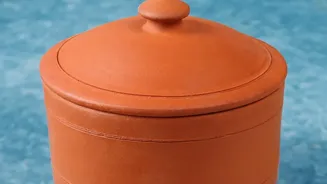
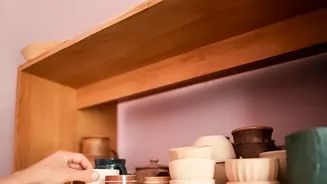
This trend extends far beyond a few plant pots on the windowsill. Terracotta is appearing across the entire kitchen. You’ll find it in stylish utensil holders, serving platters, and storage canisters that add an earthy texture to countertops. It’s also being used for more permanent fixtures, with terracotta tiles creating tactile, character-rich backsplashes and floors. Even cabinetry is getting the warm-earth treatment, paired with stone countertops and wood accents for a space that feels both contemporary and cozy. This embrace of natural materials is also part of the broader 'biophilic design' movement, which focuses on connecting indoor spaces with the natural world to improve well-being—a noted priority for this generation.
Practical Perks: Better Cooking and Food Storage
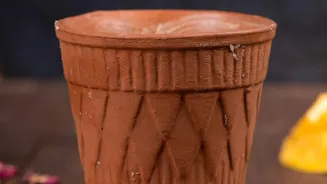
Beyond its good looks and green credentials, terracotta brings a host of functional benefits to the kitchen. As a cooking material, its porous nature allows for slow, even heat distribution, which prevents hot spots and helps retain the natural moisture and nutrients in food. This results in tender, flavourful dishes and makes it ideal for slow-cooking stews and braises. The clay is also naturally alkaline, which can help neutralize the acidity in foods, making them healthier and easier to digest. For storage, its breathable quality helps reduce moisture buildup, preventing mold and extending the shelf life of produce like onions and garlic. In summer, a terracotta water jug even offers natural cooling through evaporation.