




Why Humidity Is an Aphid's Best Friend
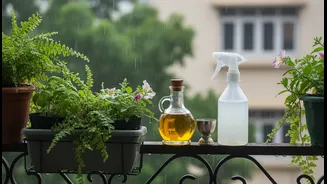
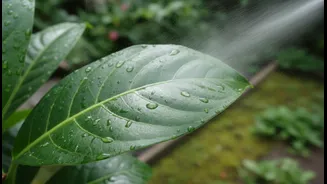
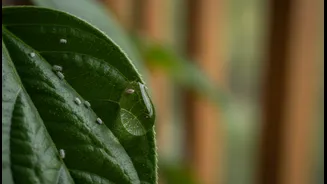
Warm, moist conditions, common throughout India during the monsoon and summer months, create a perfect breeding ground for aphids. High humidity allows these small, soft-bodied insects to reproduce at an astonishing rate, leading to sudden population
explosions on your prized plants. They feed by sucking the sap from new growth, which can cause leaves to yellow and curl, stunt plant growth, and lead to a sticky residue called honeydew. This is why a proactive approach is crucial when the air gets heavy with moisture.
Introducing Nature's Defender: Neem Oil
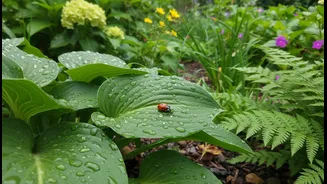
Derived from the seeds of the Azadirachta indica tree, native to the Indian subcontinent, neem oil is a time-tested organic pesticide. Its power comes from a compound called Azadirachtin, which works in multiple ways. It acts as an antifeedant, making treated leaves unpalatable to pests. It also disrupts their hormonal systems, interfering with their ability to grow and reproduce. Finally, the oil itself can suffocate smaller insects like aphids upon direct contact. When used correctly, it offers an effective alternative to chemical pesticides without harming beneficial insects like bees and ladybugs, especially when applied in the evening.
The 'Balanced Low-Concentration' Advantage
The key to success with neem oil is in the formulation. Using too high a concentration, or applying it incorrectly, can be counterproductive. A thick layer of oil can clog the plant's pores (stomata), interfering with its ability to breathe and photosynthesize. In humid weather, this is especially risky as it can trap moisture and promote fungal diseases. Furthermore, applying oil in direct sunlight can cause the leaves to scorch, a condition known as phytotoxicity. A 'balanced, low-concentration' spray mitigates these risks. 'Low-concentration' ensures the spray is gentle on the plant, while 'balanced' refers to the inclusion of an emulsifier—typically a mild liquid soap. Since oil and water don't mix, the soap helps the neem oil disperse evenly in the water, ensuring every drop of your spray is effective.
Your Step-by-Step Neem Formulation
Creating your own balanced, low-concentration neem spray is simple and ensures you are using a fresh, potent mix. Store-bought sprays can lose their effectiveness over time as the active ingredients degrade. For a standard 1-litre batch, you will need: - 1 Litre of warm water (distilled or filtered water is best) - 5 ml (1 teaspoon) of 100% cold-pressed neem oil - 1-2 ml (about 1/3 teaspoon) of mild liquid soap (avoid harsh detergents) First, mix the liquid soap into the warm water, shaking the container to dissolve it. The warm water helps the oil mix more easily. Then, slowly add the neem oil and shake the bottle vigorously to create a milky, uniform solution. It is crucial to use this mixture immediately, as neem oil begins to break down once mixed with water and loses potency within hours.
Proper Application for Maximum Effect
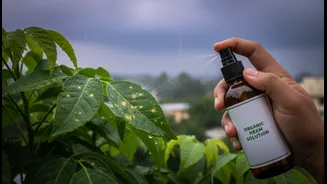
How you apply the spray is just as important as how you mix it. For best results, always apply the neem solution in the early morning or late evening. This avoids direct sunlight, protecting the plant from leaf burn. Before spraying an entire plant, it's wise to test the solution on a single leaf and wait 24 hours to check for any adverse reactions. When you're ready to spray, ensure you get complete coverage. Aphids love to hide on the undersides of leaves, so be thorough and coat all stems and leafy surfaces. Shake the bottle often as you spray to keep the oil and water from separating. For an active infestation, reapply the spray every 7 days. For prevention during humid seasons, a spray every 10-14 days should suffice.
Common Mistakes to Avoid
To ensure your efforts are successful, steer clear of these common pitfalls. First, never spray in the middle of a hot, sunny day. Second, don't use more neem oil than the recipe calls for; more is not better and can harm your plants. Third, always include a soap emulsifier, otherwise the oil will simply float on top of the water and won't be effective. Finally, be patient. Neem oil is not an instant-kill pesticide; it works over time by disrupting the pest's life cycle. You should see a significant reduction in the aphid population after a few consistent applications.