


From Tourist Traps to Tranquil Trails
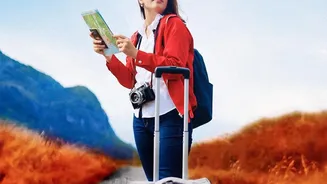
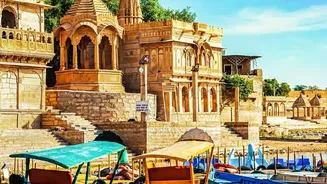
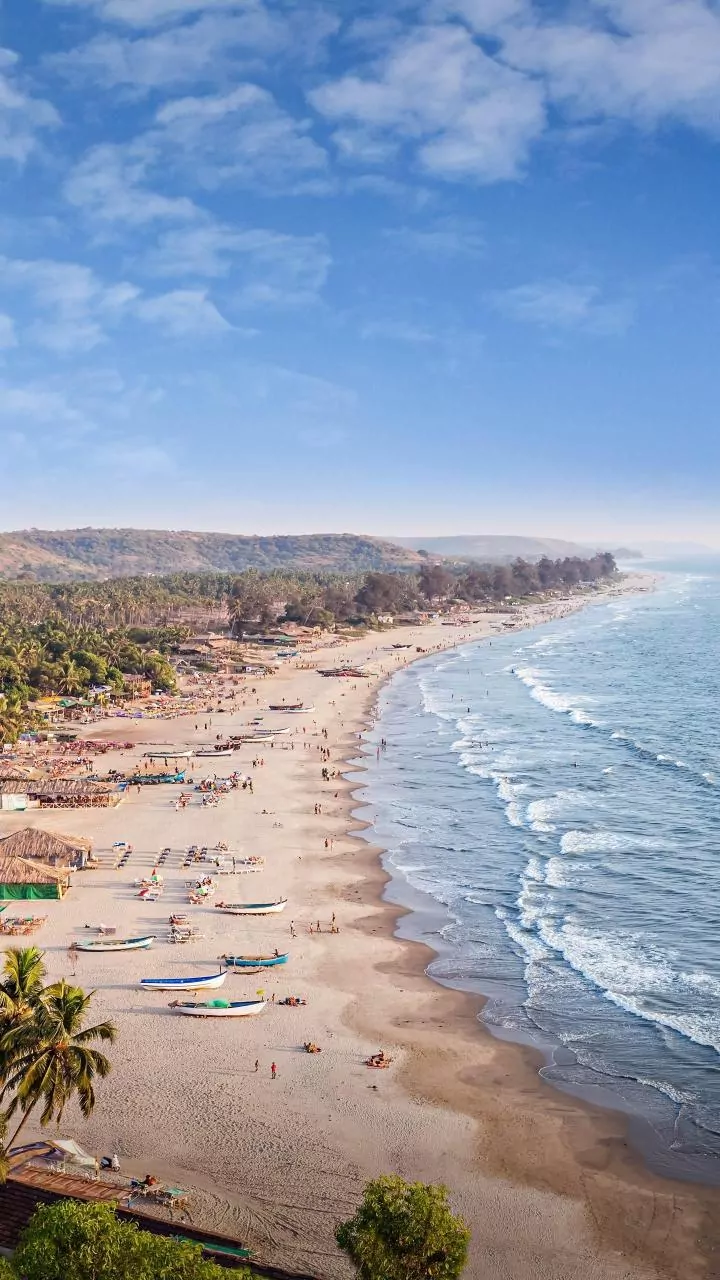
For decades, domestic tourism in India followed a predictable pattern: a whirlwind tour of the Golden Triangle, a crowded weekend in Manali, or a dash to Goa's popular beaches. But a significant change is underway. Younger travellers, particularly Gen
Z and millennials, are consciously looking beyond the bucket list. Instead of fighting for a photo at a popular viewpoint, they are seeking out places where they can actually hear themselves think. Data from travel platforms shows a clear trend, with searches for destinations like Dharamshala, Rishikesh, and the Tirthan Valley soaring. This isn't just about avoiding crowds; it's about choosing calm over chaos and authenticity over performance. The new travel dream involves waking up in a remote homestay in Kumaon, exploring untouched forest trails in Coorg, or simply watching the world go by from a riverside cafe in a place most have not heard of.
The 'Why' Behind the Quiet Revolution
This shift isn't happening in a vacuum. It is a direct response to modern life's pressures. A 2025 survey highlighted that a staggering 72 per cent of Indian employees have felt burnout in their jobs. This culture of being 'always on' has created a deep-seated need for genuine rest. Relaxation is now the primary motivation for travel for a majority of Indians. Young professionals see holidays not just as a break, but as a necessary recovery period. Social media also plays a complex role. While platforms like Instagram once fuelled 'travel burnout' by turning vacations into a content-creation chore, they are now also where travellers discover these serene, lesser-known spots. A growing number of travellers report wanting to find places that haven't been widely recommended online, seeking experiences that feel personal, not performed.
The Rise of the 'Workation' and Slow Travel
The diversification of travel is not just about where people are going, but how they are travelling. The rise of remote work has blurred the lines between work and life, giving birth to the 'workation'. Many young professionals are swapping their city apartments for long-term stays in the mountains or by the coast, turning destinations into temporary homes. Hostels and homestays in hill stations now offer monthly packages complete with Wi-Fi and workspaces, catering to this new tribe of digital nomads. This blends into the broader trend of 'slow travel', which prioritizes depth over breadth. Instead of a frantic three-day trip covering five towns, travellers are opting to spend a week or more in a single region, immersing themselves in the local culture, cooking with local families, and exploring at an unhurried pace. It is a move away from a checklist of sights to a more meaningful connection with a place.
What 'Offbeat' Actually Looks Like
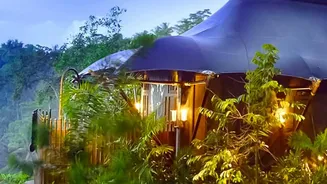
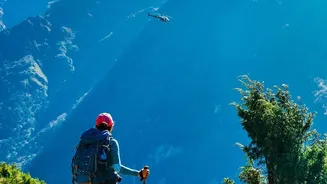
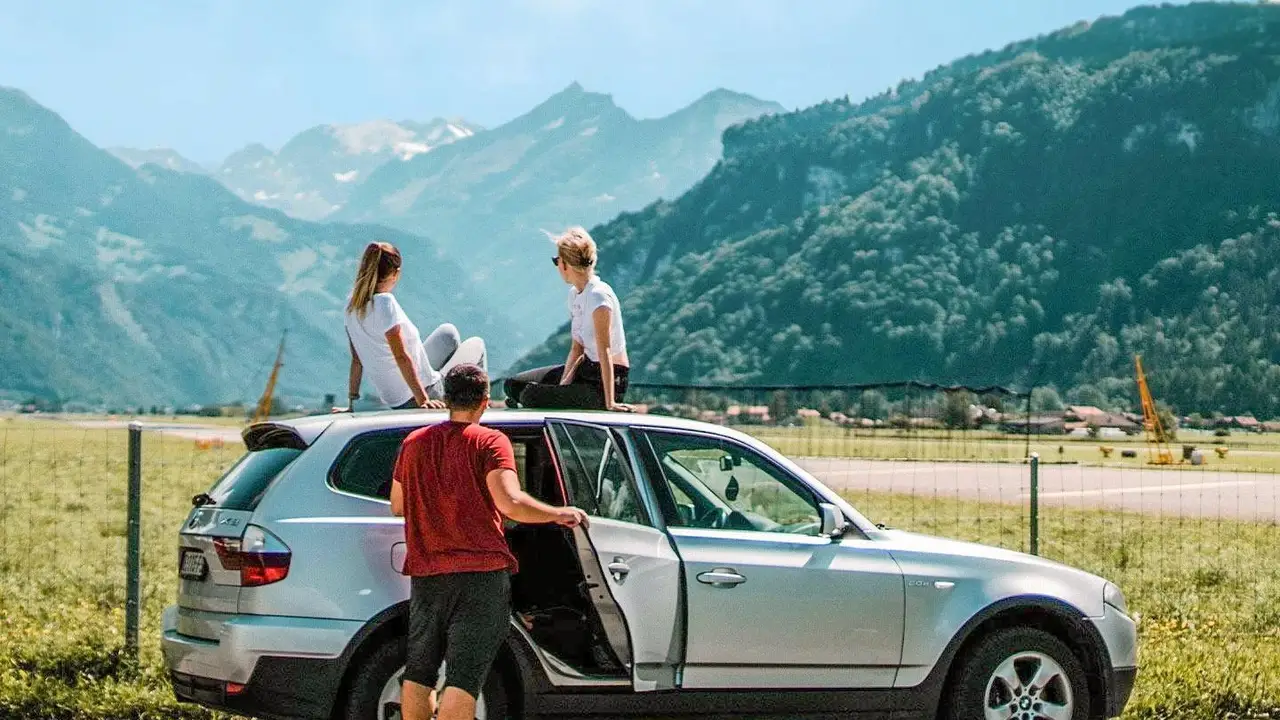
The definition of an ideal getaway is expanding. 'Offbeat' in 2026 doesn't just mean a remote village; it encompasses a whole new range of experiences. This includes farm stays offering a taste of rural life, spiritual retreats in places like Varanasi and Rishikesh that are attracting a surprisingly young crowd, and eco-lodges that promise sustainability without sacrificing comfort. Adventure travel is also being redefined, moving beyond crowded trekking routes to activities like spelunking in Meghalaya or exploring the pristine waters of the Andaman Islands. These experiences are often found in places that take a little more effort to reach, which is precisely what keeps them special. The journey itself—whether a long drive or a multi-leg trip—is becoming part of the appeal, filtering out the casual tourists and rewarding those who seek a quieter, more intentional escape.