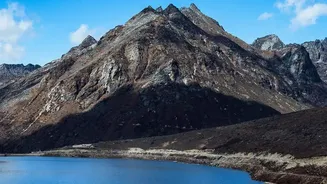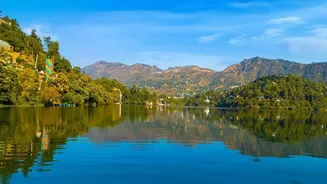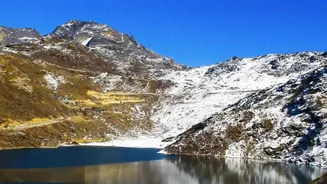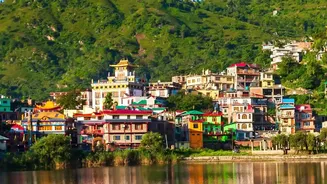



Tsomgo Lake, Sikkim
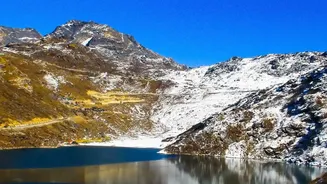
Just 40 kilometres from Gangtok, Tsomgo Lake, also known as Changu Lake, is a glacial wonder nestled at over 12,000 feet. Its beauty is dramatic and ever-changing. In winter, it transforms into a frozen sheet of ice, while spring sees its banks dotted
with alpine flowers. For photographers, the real magic lies in its reflections. On a calm day, the surrounding snow-capped mountains mirror perfectly on the turquoise surface. For the best light and calmest waters, an early start from Gangtok is recommended. A walk along the shore, away from the main stalls, can offer less-crowded perspectives and pristine reflections. Remember that permits are required to visit this high-altitude protected area.
Gurudongmar Lake, Sikkim
One of the highest lakes in the world, Gurudongmar Lake sits at a breathtaking altitude of over 17,000 feet in North Sikkim. The journey itself is an adventure, with landscapes becoming more sparse and stunningly rugged as you ascend. The lake’s crystal-clear water often shows surreal shades of blue, set against a backdrop of barren, snow-dusted mountains. Its sheer scale and the raw, untouched beauty provide a powerful subject for landscape photography. Due to the extreme altitude, acclimatisation is crucial, and visits are typically short. The best times to visit for clearer conditions are generally from April to June. This sacred lake offers a chance to capture a truly otherworldly scene.
Loktak Lake, Manipur
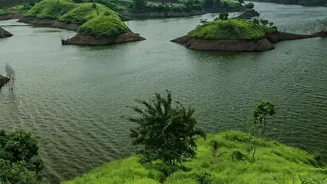
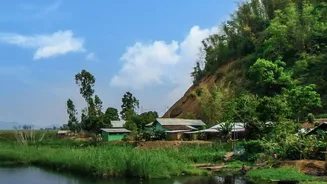
Loktak Lake is the largest freshwater lake in Northeast India and presents a completely unique photographic opportunity. It is famous for its 'phumdis' – floating islands of vegetation and organic matter that drift across its surface. These phumdis are not just flora; they house fishing huts and even the Keibul Lamjao National Park, the world's only floating national park. This creates a dynamic, living landscape. Photographers can capture the patterns of the circular phumdis, the daily life of fishermen in their canoes, and the rich biodiversity. A boat ride is essential to explore the intricate channels and get up close to this unique ecosystem.
Umiam Lake, Meghalaya
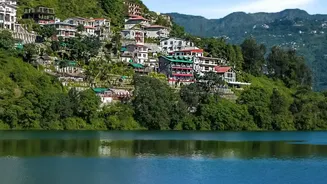
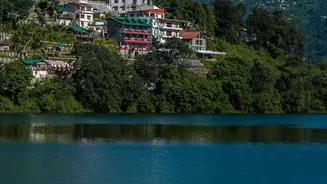
Often the first stunning vista that greets visitors entering Meghalaya from Guwahati, Umiam Lake is a vast man-made reservoir that feels completely natural. Known as 'Barapani' or big water, it is surrounded by the lush green Khasi Hills. The viewpoint on the Guwahati-Shillong highway offers a sweeping panoramic shot, which has been compared to the lochs of Scotland. For photographers, the appeal lies in its grand scale and the serene atmosphere. The golden hours of sunrise and sunset are particularly magical, casting a warm glow over the water and hills. Unlike the high-altitude lakes, Umiam is accessible year-round and offers activities like boating, making it a versatile photo stop.
Sela Lake, Arunachal Pradesh
Located near the high-altitude Sela Pass on the route to Tawang, Sela Lake is a sacred and stunningly beautiful water body. Often called Paradise Lake, it remains frozen for a significant part of the winter, creating a stark, beautiful landscape against the surrounding Himalayas. During summer, its clear blue waters reflect the sky and the rocky, mountain-ringed shores. The journey to the lake is as picturesque as the destination itself, with winding roads offering numerous vantage points. Photographers have the chance to capture the lake in its various moods—from a frozen white expanse to a brilliant blue gem, often decorated with colourful Buddhist prayer flags that add a spiritual element to the frame.