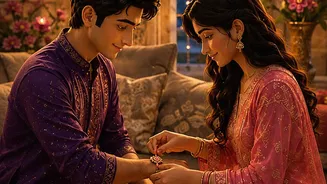


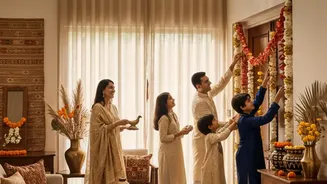
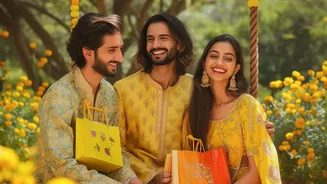
The era of gifting another saree, watch, or silver bowl for a major milestone seems to be fading. A quiet but significant cultural shift is reshaping how Indian families celebrate, prioritising shared moments over material possessions.
From Possessions to Memories
For generations,
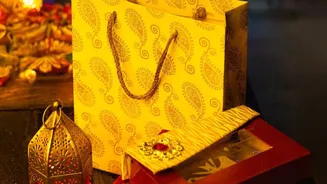
Indian gifting traditions have been deeply rooted in tangible items. Festivals, weddings, and birthdays were marked by the exchange of beautifully wrapped boxes containing everything from sweets and dry fruits to electronics and jewellery. While these customs remain, a new trend is emerging, particularly among younger, urban Indians. Many are moving away from physical products and toward 'experience-based' gifts. The driving force is a simple but powerful realisation: while a physical gift can be cherished, a shared experience creates a lasting memory. This turn reflects a broader change in consumer values, where the joy of 'doing' something together is beginning to outweigh the pleasure of 'having' another item. In a world of overflowing closets and digital clutter, the most valuable gift is increasingly becoming the one that takes up no physical space at all.
What Is an 'Experience' Gift?
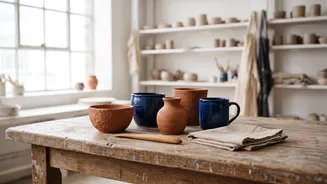
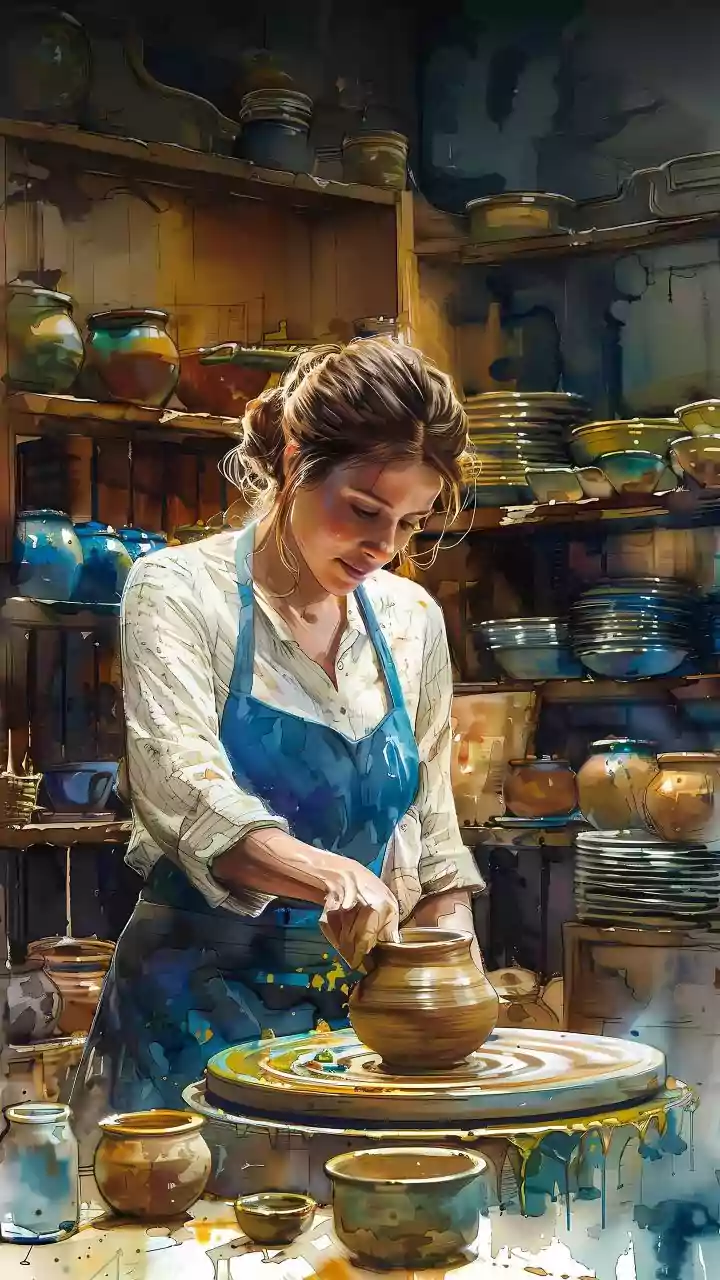
Experience gifting is a broad category, but its essence lies in giving someone an activity rather than an object. In the Indian context, this can range from the simple to the spectacular. For a food lover, it might be a curated gourmet meal at a specialty restaurant or a hands-on cooking class learning a new cuisine. For the adventure seeker, it could be a weekend of paragliding, a hot air balloon ride, or a guided trek. Other popular experiences include wellness retreats featuring Ayurvedic massages, pottery workshops, private yacht cruises, or even a family subscription to a streaming service. At weddings, some couples are replacing traditional favours with interactive counters where guests can blend their own perfumes or create personalised crafts, turning the gift into a memorable part of the celebration itself. The unifying theme is personalisation and a focus on the recipient's interests, making the gesture feel more thoughtful and unique.
The 'Why' Behind the Shift
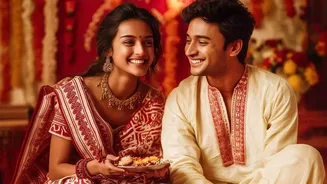
Several factors are fueling this transformation. Millennials and Gen Z, as digital natives, prioritise personalisation and experiences over convention. There is a growing sentiment, especially among younger generations, that experiences provide a better opportunity for connection. Spending quality time together during a shared activity is seen as a more meaningful way to celebrate a milestone than simply handing over a gift. Furthermore, the rise of social media plays a significant role. An exciting activity or a beautiful getaway provides 'Instagrammable' moments that can be shared online, influencing peers to seek similar experiences. Research also points to a structural shift in the economy, with spending on experiences projected to grow faster than spending on physical goods in India through 2030. This is driven by rising incomes and a desire for a lifestyle that values stories and memories over accumulating possessions.
Strengthening Family Bonds
One of the most profound impacts of this trend is on family dynamics. An experience, by its nature, is often shared. Gifting a family vacation, a weekend staycation, or even a board game night encourages interaction and creates a collective memory bank. This is a departure from individual gifts that are often opened and used in isolation. In a fast paced world where families may struggle to find quality time, a shared experience serves as a deliberate act of togetherness. It carves out dedicated time for bonding, laughter, and creating stories that will be retold for years. The gift is no longer just for the person celebrating the milestone; it becomes an opportunity for the entire family to connect, making the celebration more inclusive and emotionally resonant.