


Why Low-Light Herbs Are Your Monsoon Best Friends
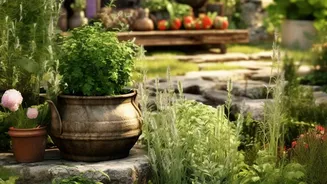
Gardening isn't just for those with sprawling, sun-drenched balconies. A surprising number of flavourful, aromatic herbs don't just tolerate shade—they thrive in it. The reduced intensity of sunlight during the monsoon, combined with the cooler temperatures,
creates an ideal environment for these specific plants. It means you can enjoy the satisfaction of snipping fresh herbs for your chai or dal, even from a modest apartment window that doesn't face the sun. This isn't about compromising; it's about choosing the right plants for the right season and turning your home into a verdant, fragrant oasis while the rain pours outside.
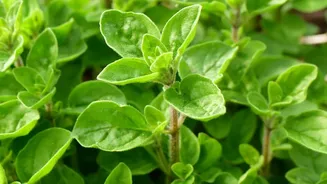
Mint (Pudina): The Resilient Favourite
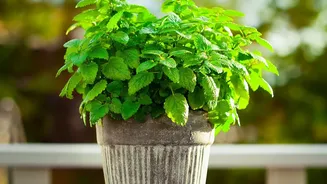
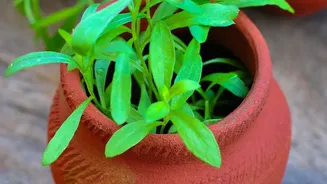
If there's one herb that's nearly impossible to get wrong, it's pudina. This famously vigorous plant is perfect for beginners and thrives in partial shade. In fact, keeping it out of the harsh afternoon sun prevents its leaves from scorching. Mint is a cornerstone of Indian kitchens, perfect for chutneys, raitas, and refreshing drinks. For monsoon care, the key is drainage. Mint doesn’t like its roots sitting in water, so ensure your pot has plenty of holes. Keep it in a spot where it's sheltered from heavy downpours, and prune it regularly to encourage a bushier, more compact plant. Its fast-growing nature means you'll have a steady supply all season long.
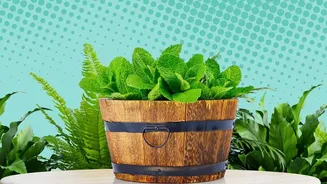
Lemon Balm: The Aromatic Stress-Buster
A member of the mint family, lemon balm brings a delightful, citrusy fragrance to your home. It's an excellent choice for low-light conditions, content with just a few hours of indirect sun each day. The leaves can be used to make a calming, aromatic tea or to add a zesty twist to salads and marinades. Like mint, it prefers well-draining soil and can become leggy if not pruned. Growing it in a container is ideal as it can spread enthusiastically in a garden bed. The gentle light of a monsoon morning is perfect for this easy-going herb.
Chives: The Subtle Onion Kick
For those who love the flavour of spring onions, chives are a must-grow. These slender, graceful herbs are surprisingly tough and adapt well to partial shade, making them suitable for apartment life. They deliver a mild onion-garlic flavour that elevates everything from omelettes and soups to simple parathas. Chives grow in clumps and are best harvested by snipping the leaves from the base with scissors. This encourages new growth and keeps the plant productive. They are less demanding about sunlight and can thrive on a windowsill that gets decent morning light.
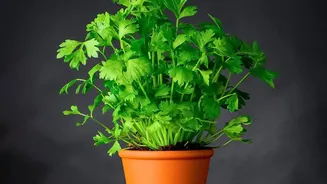
Coriander (Dhania): The Kitchen Essential
No Indian kitchen is complete without dhania. While it can be notoriously tricky, the monsoon provides a unique advantage. Coriander is prone to 'bolting'—flowering prematurely—in intense heat and sun. The cloudy, cooler weather of the monsoon helps delay this, allowing for a longer leaf harvest. While it does need some light, it appreciates partial afternoon shade. For best results, grow it from seed directly in its final pot, as it dislikes being transplanted. Keep the soil consistently moist but not waterlogged, and you'll be rewarded with the freshest garnish for your curries and chaats.
Crucial Monsoon Herb Care
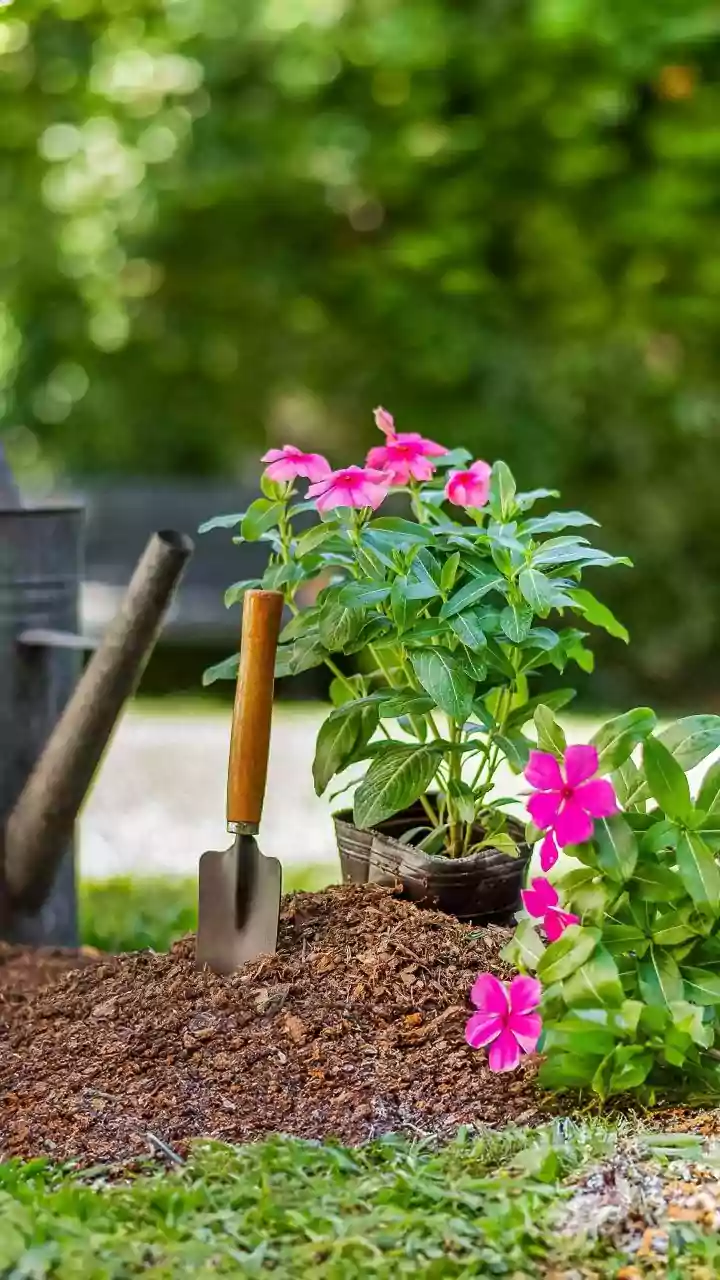
Growing during the monsoon requires a slightly different approach. First, prioritise drainage above all else. Use a potting mix with sand or coco peat to prevent it from becoming a dense, muddy block. Second, protect your pots from torrential rain. If they're on an open balcony, move them closer to the wall or under a covering during heavy showers to avoid overwatering and soil erosion. The high humidity can invite fungal growth, so ensure good air circulation around your plants. Finally, don't be shy with pruning. Snipping your herbs regularly not only gives you ingredients for your meals but also encourages the plants to become fuller and healthier.