







More Than a Midnight Snack
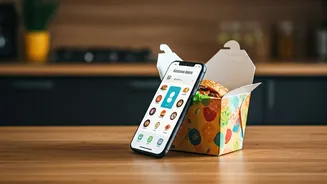
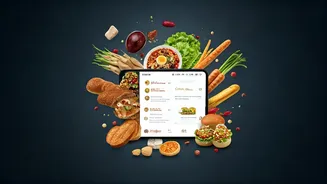
When you place an order on a food delivery app, the platform registers far more than just "one pizza." It logs the time of day, your precise location, how frequently you order, what you combine in your cart, and how much you spend. This creates a rich
dataset that goes beyond simple transactions. In India, where late-night deliveries have surged, this information is becoming a powerful tool for understanding the evolving lifestyles of urban youth. Companies like Swiggy and Zomato have publicly shared insights from this data, highlighting trends in cuisine preferences and peak ordering times, effectively positioning themselves as observers of modern consumer culture.
The Digital Footprint of a Craving
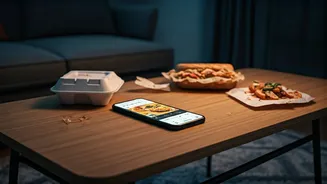
This data reveals distinct behavioural patterns. A surge in orders for desserts and comfort food can correlate with major sporting events or the finale of a popular web series. Late-night orders from specific neighbourhoods can indicate clusters of students studying for exams or young professionals working late shifts. This trend is driven by Gen Z and millennials, who are far more likely to place late-night orders compared to older generations. For this demographic, convenience is key, and food has become a form of entertainment and self-expression, with platforms tailoring features like 'midnight craving' categories to cater directly to these habits.
What Your Order Says About You
The inferences that can be drawn are incredibly detailed. Analytics can link late-night snacking to stress levels, social activities, and sleep schedules. For instance, a solo order of a single-serve meal suggests a night in, while a large pizza order points to a social gathering. This allows companies to build sophisticated consumer profiles. These profiles are not just about food; they hint at lifestyle, income level, and daily routines. This shift has given rise to what some call the "fourth meal economy," an entire market built around consumption outside of traditional meal times, driven by flexible work hours and the binge-watching culture.
The Billion-Dollar Business of Behaviour
This data is immensely valuable. For food delivery platforms, it powers hyper-targeted marketing, allowing them to send personalized ads and promotions that predict your next craving. If you frequently order ice cream after 11 p.m., you might start seeing more dessert ads during those hours. This data is also shared with or sold to third-party advertisers and data brokers, who use it for market research and broader advertising campaigns. Beyond ads, these insights influence business strategy, from helping restaurants optimize their menus for late-night demand to informing where new cloud kitchens should be located for maximum efficiency during these underutilized hours.
Privacy on the Menu
The convenience of on-demand food comes with significant privacy trade-offs. Most users are not fully aware of the extent of data being collected or how it is being used. Food delivery apps collect a vast number of data points, including your name, address, phone number, payment details, and GPS location history, much of which is linked directly to your identity. While companies often claim data is anonymized before being shared, data breaches remain a persistent risk, potentially exposing sensitive personal and financial information. This vast collection of behavioural data creates detailed lifestyle profiles that can be used in ways consumers never intended, making it crucial for users to be mindful of the permissions they grant and the digital trail they leave behind.