



The Great Escape from the Grind
Life in rapidly growing cities like Pune, Lucknow, Chandigarh, and Jaipur comes with its own unique pressures: traffic, pollution, and the relentless pace of urban living. Add to this the modern reality of hybrid work schedules, and the line between office
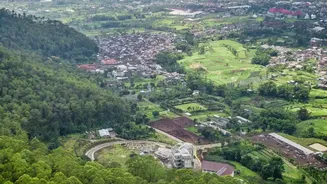
and home has become permanently blurred. This has created a deep-seated need to disconnect and recharge. A short trip to a nearby forest reserve or hill station offers an immediate antidote. It’s a chance to trade concrete views for green canopies, swap traffic noise for birdsong, and breathe in fresh, clean air. This desire for a mental and physical reset is a powerful driver, pushing urban dwellers to seek solace in nature, even if just for a couple of days.
Rise of the 'Micro-Cation'
Long holidays requiring extensive planning and leave are being replaced by shorter, more spontaneous trips. Recent travel data shows a significant spike in searches for three-to-five-day getaways, a trend dubbed the “micro-cation.” This shift is perfectly suited for residents of Tier 2 cities. For them, a stunning hill station or a lush national park is often just a few hours’ drive away. This proximity makes weekend travel not just possible, but practical. It eliminates the high cost and logistical hassle of flights while offering maximum reward for minimal time off, fitting perfectly around flexible work arrangements. As a result, travellers are taking more frequent, shorter breaks rather than one single annual vacation.
Seeking Authentic Experiences
Today's traveller is increasingly looking for more than just a hotel room; they crave authentic experiences. This is a major reason for the pull towards non-metro destinations, which have seen a surge in interest of over 40% this monsoon season. Instead of generic tourist spots, people want to immerse themselves in local culture, try regional cuisine, and connect with nature on a deeper level. Forest reserves and hill towns deliver exactly that. They offer opportunities for trekking, bird-watching, or simply enjoying the quiet of a homestay. The rise of eco-resorts and curated homestays in these areas caters directly to this demand, providing comfortable lodging with a distinct local flavour that large hotel chains often lack.
Improved Access and Better Stays
This travel trend wouldn't be possible without significant improvements in infrastructure. Better road networks and highways have dramatically cut down travel time between cities and nearby natural escapes. Driving to the hills is now faster and more convenient than ever before. Simultaneously, the accommodation landscape has matured. The growth of boutique homestays, eco-lodges, and professionally managed villas means travellers no longer have to sacrifice comfort for scenery. Digital platforms and travel apps have also made it incredibly easy to discover, compare, and book these unique stays, empowering travellers to plan their trips with confidence and ease.
The Green Monsoon Aesthetic
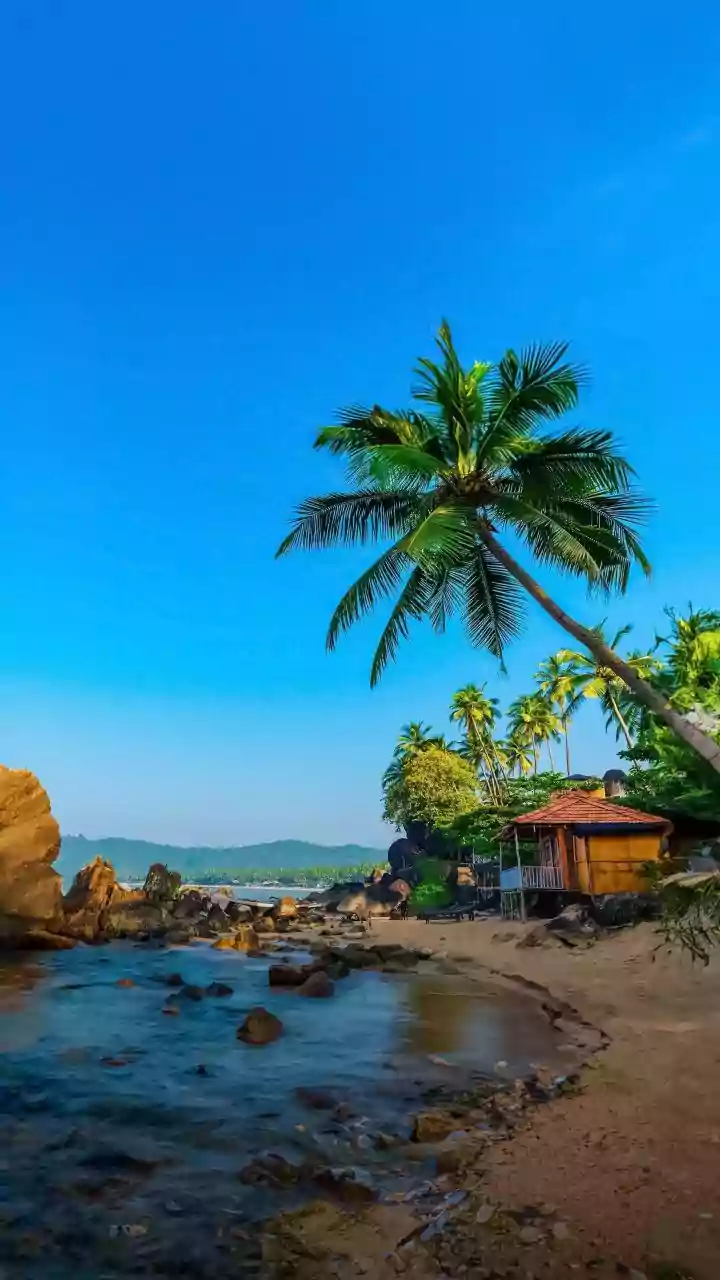
The monsoon, once considered an off-season for travel, has been rebranded. The image of mist-covered hills, rain-washed forests, and cascading waterfalls holds a powerful romantic and aesthetic appeal. Domestic searches for monsoon trips have surged by nearly 40% year-on-year, proving that travellers are actively chasing the rain, not avoiding it. Social media plays a huge role in this, as photos and reels of verdant landscapes inspire others to seek out the same experience. Destinations like Coorg, Varkala, and parts of Goa are seeing increased interest, becoming popular spots for couples, families, and groups of friends looking to enjoy the season together.