






Finding Your Perfect Rafting Stretch
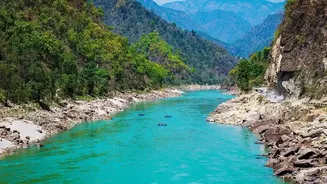
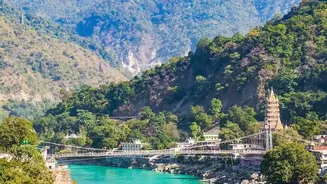
Choosing the right stretch of the river is the first step to a great rafting experience. For beginners, Rishikesh offers a few excellent options that balance gentle rapids with thrilling moments. The most common choice is the Brahmpuri to Rishikesh stretch,
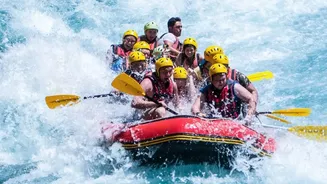
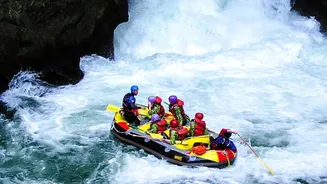
a 9-km run that takes about 1.5 hours. It features Grade I-II rapids, which are mild and perfect for a first taste of rafting. Expect to pay around ₹600 per person for this trip. If you’re feeling a bit more adventurous but are still new to the sport, the Shivpuri to Rishikesh stretch is the most popular choice. This 16-km route takes about 2.5 to 3 hours and includes more exciting Grade II-III rapids. The cost is typically around ₹1,000 per person, plus a nominal entry fee. This stretch provides a fantastic mix of adrenaline and scenic beauty, making it a favourite for weekend warriors.
When Is the Best Time to Go?
Timing is everything when planning your trip. The main rafting season in Rishikesh runs from mid-September to the end of June. The activity is officially closed during the monsoon months (July to mid-September) due to dangerously high and unpredictable water levels. The most pleasant weather for rafting is typically from March to June and again from September to November. During these periods, the water flow is ideal, and the temperatures are comfortable. While you can go rafting in the winter (December to February), be prepared for the cold water; most operators will provide wetsuits during these months to make the experience more comfortable.
Non-Negotiable Safety for Beginners
Adventure is fun, but safety is paramount. Always choose a reputable rafting company that is registered with the Uttarakhand Tourism Development Board. Before you even get on the water, you will have a safety briefing from your guide—listen carefully. Wearing your life jacket and helmet at all times is mandatory and non-negotiable; ensure they fit snugly. Never consume alcohol before or during a rafting trip. If you happen to fall out of the raft, the most important instruction is to not panic. Float on your back with your feet pointing downstream and listen for your guide's instructions. Your guide and a potential safety kayaker are trained for rescues. Remember, knowing how to swim is not a requirement for most beginner stretches, as the life jacket is designed to keep you afloat.
What to Wear and What to Leave Behind
Dressing appropriately will make your experience much more comfortable. The golden rule is to avoid cotton, as it absorbs water and makes you cold. Instead, opt for quick-drying synthetic materials like polyester or nylon. Board shorts, sports leggings, and a quick-dry T-shirt or rash guard are ideal choices. For footwear, choose secure water shoes or strapped sandals; flip-flops are a definite no as they will get lost in the river. It's also wise to apply waterproof sunscreen before you start. Leave valuables like expensive jewellery, non-waterproof electronics, and large amounts of cash at your hotel. Most operators provide a dry bag for small essentials, but it's best to travel light on the raft.
Budgeting Your Weekend
A rafting weekend in Rishikesh can be very budget-friendly. Beyond the cost of the rafting itself (₹600–₹1000 for beginner stretches), travel and accommodation are the main expenses. Buses from major cities like Delhi are frequent and affordable. For accommodation, you can find a wide range of guesthouses and hostels. For a more immersive experience, consider a package that combines rafting with overnight camping in Shivpuri. These packages often include meals and a bonfire, with prices starting from around ₹1,200 per person per night. Overall, a weekend trip from a nearby city can be managed within a budget of ₹4,000 to ₹6,000 per person.