


An Environment of Extremes
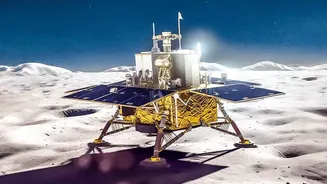
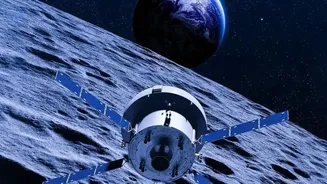
The Moon is not a friendly place for technology. While daytime temperatures can soar to a boiling 100°C, the real problem arrives with the lunar night. Lasting for 14 Earth days, the darkness brings a relentless, deep cold. At the Moon’s South Pole, a key
target for NASA's Artemis missions, temperatures can plummet to a staggering minus 200°C. This extreme cold is a fundamental obstacle for establishing any kind of sustainable presence, from robotic rovers to crewed habitats. Power is everything, and for half of every month, the primary means of generating it—solar panels—are useless.
Why Cold Kills a Battery
If you've ever had a car struggle to start on a winter morning, you've experienced a mild version of the Moon's battery problem. Most batteries, including the lithium-ion cells that power our daily lives, rely on a liquid electrolyte to function. Cold temperatures cause this internal chemistry to slow down dramatically. The movement of ions is impeded, increasing the battery's internal resistance and drastically reducing its ability to deliver power. In the extreme cold of the lunar night, this liquid electrolyte would simply freeze solid, which can cause permanent physical damage like cracking, and render the battery useless.
The Mass Problem of Staying Warm
The traditional solution for keeping vital electronics alive during the lunar night has been to use heaters. But this creates a punishing cycle: the heaters require power, which means you need more batteries to run them. NASA has estimated that for every single watt of power needed to survive the lunar night, an additional five kilograms of mass is required, largely in the form of batteries and support systems. On missions where every gram is meticulously accounted for, this makes long-duration surface operations incredibly expensive and inefficient. Simply packing more batteries is not a sustainable strategy for building a permanent lunar base.
A Solid Solution to a Liquid Problem
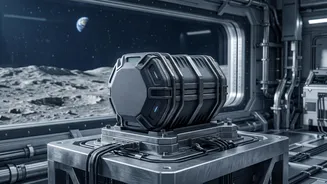
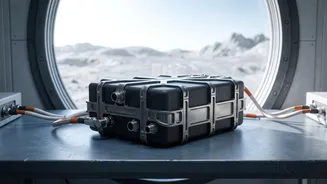
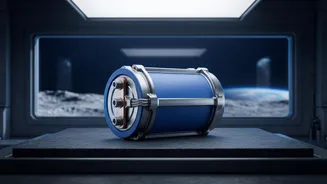
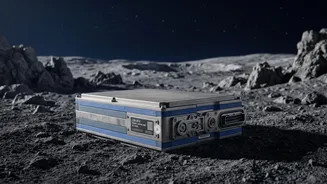
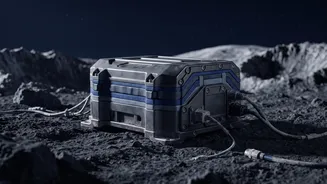
To overcome this, NASA is investing in a new generation of solid-state batteries. A project known as SPEARS (Solid Power for Extreme Environment Adaptability and Resilience in Space) is developing cells that replace the vulnerable liquid electrolyte with a solid ceramic or polymer material. This fundamental change has a huge benefit: the solid material doesn't freeze. Recent tests announced in October 2026 showed that these prototype cells could survive exposure to temperatures as low as minus 170°C without sustaining damage. While they still need to be warmed up to operate, they don't require constant heating to simply survive. This could dramatically reduce the energy and mass needed for thermal management systems.
Powering the Artemis Generation
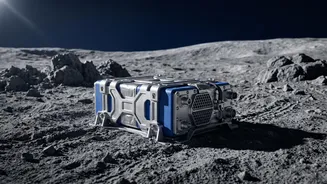
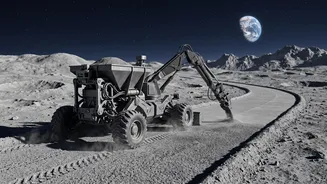
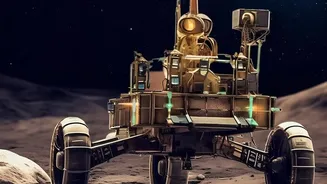
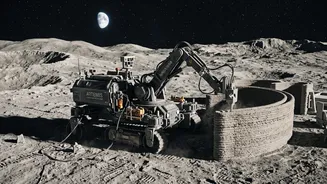
These new solid-state batteries are still in the prototype phase, but they represent a critical enabling technology for the Artemis program. The goal is to power everything from scientific instruments in permanently shadowed craters to rovers and astronaut life support systems. Beyond batteries, NASA and its commercial partners like Lockheed Martin and Astrobotic are also developing innovative solar power solutions, such as tall, vertical solar arrays that can catch the low-angle sunlight at the poles for longer periods. Other concepts being explored include regenerative fuel cells and even small-scale fission power systems to provide continuous energy. These technologies are designed to work together to create a reliable power grid for a future lunar base.