





At first glance, the graceful, fluid motion of a skater and the slow, deliberate poses of a Tai Chi practitioner seem worlds apart. Yet both are powerful methods for honing one of our most essential skills: balance. So, which path is right for you?
Static vs. Dynamic: The Two Sides of Balance
Before
we compare these two disciplines, it is helpful to understand that balance isn’t just one thing. It is broadly divided into two types: static and dynamic. Static balance is your ability to hold a stable position, like standing on one leg or holding a yoga pose. Dynamic balance, on the other hand, is maintaining stability while you are in motion, like walking, running, or reacting to a sudden trip. Both are crucial for everyday life, from preventing falls to improving athletic performance. Skating and Tai Chi simply prioritise different aspects of this skill. Skating is a masterclass in dynamic balance, forcing constant adjustments at speed, while Tai Chi is the gold standard for developing static balance and body awareness.
Tai Chi: The Art of Slow, Controlled Stability
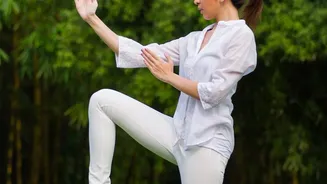
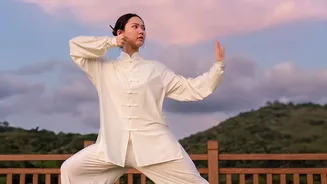
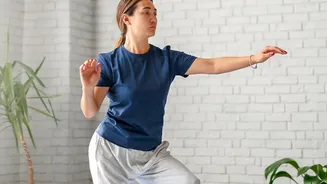
Often described as 'meditation in motion', Tai Chi is an ancient Chinese martial art that involves a series of slow, flowing movements. Its power in improving balance comes from its emphasis on mindful, deliberate weight shifting and precise body alignment. By moving slowly through poses, practitioners strengthen the muscles in the legs and core that are crucial for stability. More importantly, Tai Chi intensively trains proprioception—your body's ability to sense its own position in space. The constant focus on posture and slow transitions heightens your awareness of how your feet connect to the ground and how your centre of gravity shifts, which studies suggest is a key factor in preventing falls, especially in older adults.
Skating: Mastering Balance on the Move
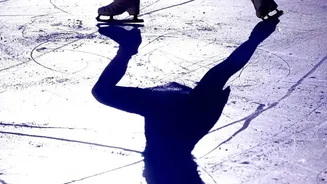
Whether on ice, a roller rink, or a skateboard, skating is fundamentally an exercise in controlled instability. The entire activity is about managing your body's centre of gravity over a small, moving base of support. This makes it an exceptional workout for dynamic balance. Every push, glide, and turn requires your core and leg muscles to make constant, rapid-fire adjustments to maintain equilibrium. Skating improves your reactive stability, training your nervous system and muscles to work together to correct wobbles before you even consciously notice them. This develops agility and coordination, as your entire body must work in sync to propel you forward while staying upright.
The Mental Game: Internal Focus vs. External Awareness
The mental approach to balance in these two activities is also distinct. Tai Chi is an internal practice that demands mindfulness and a deep mind-body connection. The focus is on your breath and the subtle sensations of movement, which can reduce stress and quiet mental chatter. Skating, conversely, demands sharp external awareness. You must pay attention to the surface ahead, navigate obstacles, and adjust to changes in terrain or speed. While it can induce a state of 'flow', the focus is largely outward-facing, centred on navigating the environment successfully. This trains your brain for quick decision-making and reaction time.
Which Practice Suits Your Goals?
Choosing between skating and Tai Chi depends entirely on your personal needs and fitness goals. If your primary goal is to improve stability, reduce the risk of falls, and engage in a gentle, low-impact activity that also calms the mind, Tai Chi is an excellent choice. Research has consistently shown its effectiveness in improving balance and preventing falls in older populations.If you're looking for a more vigorous cardiovascular workout that builds lower-body strength and improves your agility and reactive coordination for sports or other dynamic activities, skating is a fantastic option. It is a higher-impact, higher-intensity activity that challenges your body to adapt quickly. Ultimately, both disciplines offer significant benefits, and they are not mutually exclusive. Combining the mindful stability of Tai Chi with the dynamic challenge of skating could provide a comprehensive and well-rounded approach to mastering balance in all its forms.