




Why Are Oil Prices Surging?
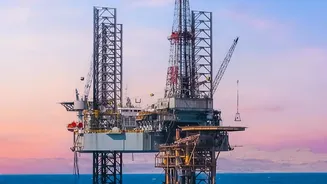
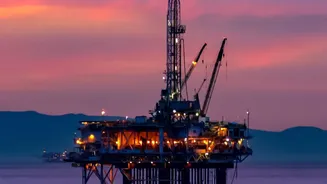
The primary driver behind the recent spike in oil prices is escalating geopolitical tension in the Middle East. Ongoing conflicts have disrupted crude oil shipments, particularly through the Strait of Hormuz, a critical channel for global energy supplies.
Recent attacks on oil tankers by both the U.S. and Iran have intensified concerns about prolonged supply disruptions, prompting traders to build a risk premium into oil prices. This volatility comes as some analysts forecast continued high prices, with some banks raising their outlooks based on the assumption that shipping disruptions will persist. This global uncertainty has a direct and immediate impact on countries like India, which imports the vast majority of its oil.
The Direct Hit: Your Petrol and Diesel Bill
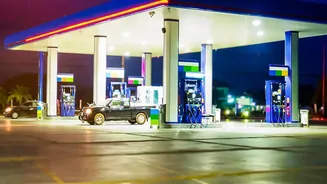
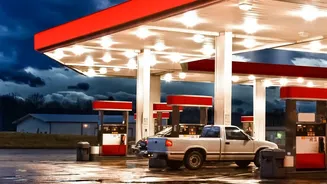
For Indian travellers planning a road trip, the most immediate impact is felt at the petrol pump. The price you pay for petrol and diesel is a complex calculation. It starts with the price oil marketing companies (OMCs) charge to dealers, which is based on a 15-day rolling average of international rates. However, a huge portion of the final retail price is composed of taxes. Both the central government's excise duty and the state governments' Value Added Tax (VAT) make up a significant share of what you pay per litre. This means that even if global crude prices fall, high taxes can keep domestic fuel prices elevated. Because VAT is often charged as a percentage, a rise in the base price of fuel automatically increases the amount of tax collected by the state, further compounding the price hike for consumers planning to drive to their destinations.
Taking to the Skies? Expect Higher Airfares
The impact of rising crude prices isn't limited to the road. Air travel is also set to become more expensive. The crucial link here is Aviation Turbine Fuel (ATF), or jet fuel, which is a direct derivative of crude oil. ATF constitutes about 35-40% of an airline's total operating costs in India, making it their single biggest expense. Following the rise in global crude rates, Indian OMCs have already hiked ATF prices for the second consecutive month as of early September 2026. On September 1, the price was increased by over 5% to INR 121.28 per litre. While airlines may try to absorb some of this cost in a competitive market, sustained high fuel prices almost inevitably lead to higher airfares as carriers are forced to pass the increased operational costs on to passengers.
Ripple Effects on Your Entire Holiday
The financial strain doesn't stop at tickets and fuel. The rising cost of energy creates a ripple effect that can touch almost every part of your holiday budget. Tour operators who rely on buses for sightseeing trips will face higher fuel bills, which could translate into more expensive package deals. Hotels and resorts also see their operational costs rise, from the fuel used for backup generators to the increased expense of transporting supplies. Even the price of food at your destination could see a marginal increase due to higher logistics costs. This broader inflationary pressure means that the total cost of a vacation, from transport and lodging to daily activities, is likely to trend upwards when oil prices are high.
What Can Travellers Do to Save Money?
While you can't control global oil markets, you can make smarter decisions to mitigate the impact on your wallet. Booking flights and trains well in advance is a classic strategy that often yields lower prices before fuel surcharges are fully baked in. For those hitting the road, planning your route to avoid traffic and ensuring your vehicle is well-maintained for optimal fuel efficiency can make a difference. Consider travelling to destinations closer to home to reduce fuel consumption. Exploring public transport options like metros for city travel or choosing trains for longer domestic journeys can also be significantly more economical. Being flexible with your travel dates and keeping an eye out for promotional deals can help you find pockets of value even when overall costs are rising.