







The Expectation vs. The Reality
We often approach exercise with a transactional mindset: one tough workout should equal one visible result. But our bodies don’t work like a vending machine. They operate like a complex factory undergoing a major upgrade. A workout isn’t a single deposit;
it’s the signal that kicks off a long, intricate renovation process. The initial feelings of soreness and fatigue are not signs of failure, but the sounds of construction. This gap between our expectation of immediate change and the biological reality of slow, steady adaptation is the central tension of any fitness journey. Understanding what’s happening beneath the surface can transform frustration into fascination and empower you to stay the course.
The Cellular Power Grid Upgrade
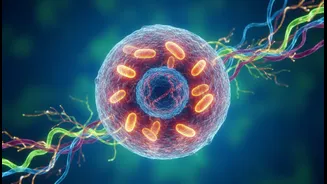
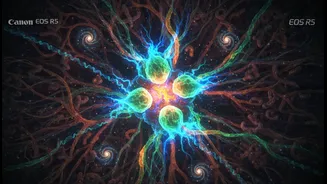
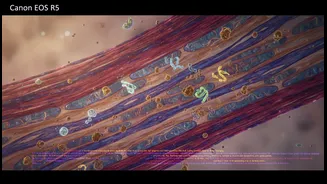
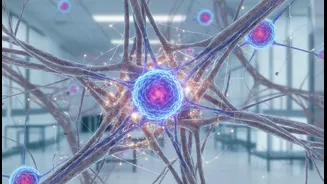
Every time you exercise, especially with endurance activities, you place an energy demand on your muscles. Your cells respond to this energy crisis by building more power plants. These tiny powerhouses are called mitochondria. The process, known as mitochondrial biogenesis, is one of the most profound benefits of consistent exercise. More mitochondria mean your body becomes more efficient at converting fuel—like fats and carbohydrates—into the energy needed for movement. This is why, after a few weeks of regular cardio, you might not look dramatically different, but you feel more energetic throughout the day and find that the same workout feels easier. You haven’t just trained your muscles; you have fundamentally upgraded your body's entire energy grid at a cellular level.
The Repair and Reinforce Crew
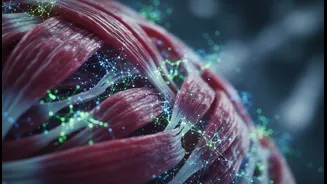
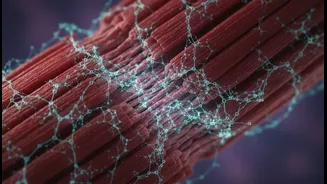
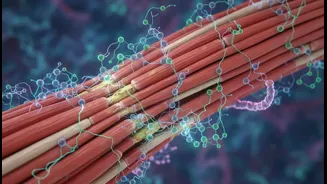
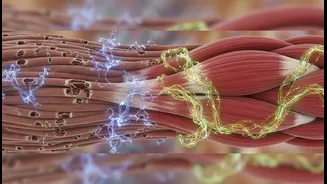
Resistance training, from lifting weights to bodyweight exercises, works by creating microscopic tears in your muscle fibres. This sounds alarming, but it’s a necessary signal. In response, your body activates a highly sophisticated repair crew. This process is called muscle protein synthesis (MPS). For 24 to 48 hours after your workout, your body is busy shuttling protein to the stressed muscle fibres, not just to patch them up, but to rebuild them thicker and stronger than before. This adaptation ensures your muscles are better prepared for the next time they face a similar challenge. It’s a slow, cumulative process. You don't build significant muscle in a day, but with each session and recovery cycle, you are laying down another layer of strength and resilience.
Turning Back the Molecular Clock
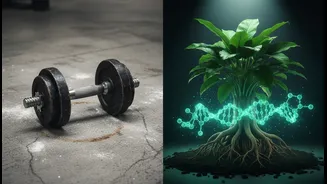
Perhaps the most compelling argument for embracing slow adaptation is its impact on ageing. At the end of our chromosomes are protective caps called telomeres, which act like the plastic tips on shoelaces, preventing our DNA from fraying. These telomeres naturally shorten as we age, a process linked to many age-related diseases. Remarkably, research shows that consistent physical activity can slow this shortening and even increase the activity of an enzyme that helps rebuild telomeres. Studies have found that adults with high levels of physical activity have telomeres that appear biologically up to nine years younger than their sedentary counterparts. So while you're waiting for your biceps to grow, your workouts are quietly helping to preserve your genetic integrity and slow down the ageing process from the inside out.