



The Study in a Nutshell
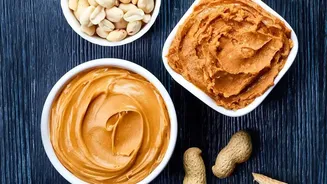
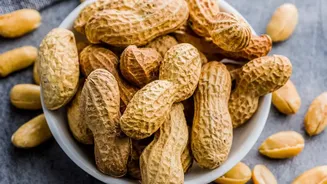
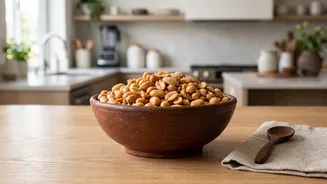
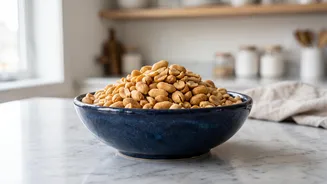
Recent research from Maastricht University in the Netherlands looked into how daily peanut consumption affects older adults. In the study, 31 healthy participants between the ages of 60 and 75 were asked to eat 60 grams of unsalted, skin-roasted peanuts
every day for 16 weeks. This is equivalent to about two standard servings. Researchers then used MRI scans to measure changes in brain health, comparing the period of peanut consumption to a control period where participants avoided peanuts. The goal was to see if this dietary change had any measurable impact on brain function, particularly how the brain responds to insulin, a hormone that plays a key role not just in blood sugar but also in brain cell health and communication.
The Good News: A Boost for Brain Function
The study did deliver some positive and promising findings. After 16 weeks, researchers observed that daily peanut consumption led to beneficial changes. Specifically, it improved insulin responsiveness in parts of the brain that are crucial for memory, such as the hippocampus. As people age, the brain can become less sensitive to insulin, a change linked to cognitive decline. The study also found that peanut consumption increased overall blood flow in the brain by about 4%. Earlier findings from the same research group in 2025 showed that this dietary habit improved verbal memory performance by nearly 6%. These results suggest that regular peanut intake may indeed have a positive effect on specific cognitive processes in healthy older adults.
Why Peanuts Aren't a Dementia Cure
This is the most critical part to understand. While the results are interesting, they do not prove that eating peanuts can prevent dementia or Alzheimer's disease. The study was small, with only 31 participants, and relatively short. It showed a correlation—a link between peanut consumption and improved brain markers—but it did not prove causation. In other words, it doesn't confirm that peanuts were the direct and sole cause of the improvements, nor does it tell us if these benefits would translate to preventing a complex disease over many years. Neurologists and researchers caution against interpreting these findings as a magic bullet. One food alone is very unlikely to prevent a condition like Alzheimer's, which is influenced by a wide range of genetic and lifestyle factors.
The Science Behind the Snack
So, what is it about peanuts that might be helping the brain? Scientists believe the benefits are linked to their rich nutritional profile. Peanuts, especially their thin skins, are packed with bioactive compounds like polyphenols, which have antioxidant and anti-inflammatory properties. They are also a good source of L-arginine, an amino acid that helps produce nitric oxide, a molecule known to improve blood flow and potentially support learning and memory. Combined with healthy unsaturated fats, fiber, and vitamins like niacin and vitamin E, these nutrients may work together to support the health of blood vessels in the brain and protect against cellular stress.
The Practical Takeaway
No single food can be considered a cure-all for cognitive decline. The strongest evidence for maintaining brain health points towards overall dietary patterns, such as the Mediterranean diet, which is rich in fruits, vegetables, whole grains, and healthy fats. This study's findings suggest that adding unsalted, skin-on peanuts to a balanced diet could be a beneficial component of that pattern. They are a nutrient-dense, affordable, and versatile snack. However, it's important to be mindful of portion sizes, as peanuts are high in calories. Relying on them as a singular solution for preventing dementia would be a misinterpretation of the current science. Think of it as one more potentially helpful piece in the much larger puzzle of a healthy lifestyle.