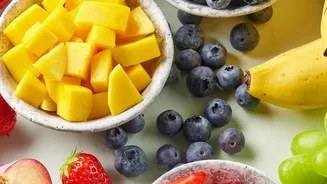




The festive season, with its joyous celebrations and delicious sweets, can leave us feeling sluggish and drained. If you're battling post-celebration fatigue, the solution might be simpler than you think: a strategic snack swap.
The Anatomy of a Sugar Crash
That familiar feeling of
lethargy after indulging in festive mithai, cakes, and fried foods is no coincidence. These treats are typically high in refined or simple sugars. When you consume them, your body experiences a rapid spike in blood glucose, providing a quick but short-lived burst of energy. This is swiftly followed by a 'crash' as your system releases insulin to normalise your blood sugar levels, often causing them to drop too low. This rollercoaster effect leaves you feeling tired, irritable, and often craving even more sugar to get another energy hit, creating a vicious cycle of fatigue.
Why Whole Fruits Are Different
While fruits also contain sugar (fructose), it comes packaged very differently. The crucial difference lies in fibre. Whole fruits are rich in dietary fibre, which slows down the digestive process. This means the natural sugars are released into your bloodstream much more gradually, providing a steady, sustained supply of energy without the dramatic spikes and crashes associated with processed snacks. The soluble fibre in fruits like apples and bananas forms a gel-like substance in your stomach, further regulating sugar absorption and helping you feel fuller for longer.
A Nutrient-Rich Powerhouse
Beyond providing stable energy, fruits are packed with essential vitamins, minerals, and antioxidants that are vital for recovery and stamina. For instance, citrus fruits are high in Vitamin C, which helps reduce fatigue, while bananas offer potassium, an important electrolyte lost through sweat that helps with muscle function. These micronutrients support your body’s cellular health, help repair tissues, and boost your immune system, all of which contribute to feeling more energetic and revitalised. Many fruits also have high water content, aiding hydration, which is essential for maintaining energy levels.
Making the Swap Simple and Sustainable
Transitioning from sugary snacks to fruits doesn't have to be a struggle. Start with small, manageable changes. Keep a fruit bowl visible and accessible at home or on your work desk. Prepare cut fruits in the morning so you have a ready-to eat option when cravings strike. Instead of a biscuit with your afternoon tea, have an apple or a pear. Swap your evening sweet dish for a bowl of mixed berries or a banana. You can also make simple fruit chaat or blend a smoothie with yoghurt for a more substantial snack. The key is to make the healthy choice the easy choice.