






A startling new study has a critical message for people with type 2 diabetes: stopping certain medications could nearly double the risk of a heart attack or stroke. This warning highlights the powerful protective benefits of these drugs.
What the New Study Found
Recent research
published in The Lancet Regional Health Europe delivered a stark conclusion for patients with type 2 diabetes. The observational study, which analysed the health records of over 80,000 people in Italy, found that discontinuing a class of drugs known as GLP-1 receptor agonists was linked to a doubled risk of suffering a non-fatal heart attack, a non-fatal stroke, or death from any cause. Specifically, the rate of these events was about four per 100 people per year among those who stopped the medication, compared to just two per 100 people for those who continued treatment. This highlights that the benefits of these drugs in protecting the heart and blood vessels are significant, and that losing this protection can have serious consequences.
A Closer Look at the Medications
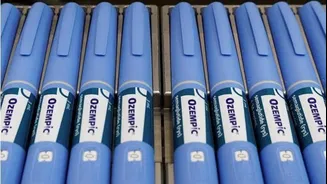
The drugs at the center of this study are GLP-1 receptor agonists, a modern class of medications used to manage type 2 diabetes. Many people may recognise them by brand names like Ozempic, Rybelsus, Mounjaro, or Trulicity. These medicines work by mimicking a natural hormone that helps regulate blood sugar and curb appetite. Over the past several years, they have become a cornerstone of diabetes treatment not just for their glucose-lowering effects, but also for their proven benefits in promoting weight loss and, crucially, protecting the cardiovascular system. Similar protective effects have also been noted with another class of drugs, SGLT2 inhibitors. This dual function makes them incredibly valuable, but also underscores why their discontinuation can be so risky.
Why Does Stopping Increase Risk?
The increased risk isn't because the drugs are dangerous; it’s because they are so effective. When a patient stops taking a GLP-1 medication, the protective shield it provides for the heart and blood vessels is removed. This can lead to a rebound in cardiovascular risk factors. Appetite often returns, which can lead to weight regain, and blood sugar levels may rise back towards pre-treatment levels. However, the study noted that the increased risk of heart attack and stroke was not fully explained by modest changes in weight or blood pressure alone, suggesting these drugs may have other direct protective effects on the vascular system that are lost upon discontinuation.
Understanding the Numbers
The headline's claim of 'nearly doubling' the risk is what's known as a relative risk. While alarming, it's important to also consider the absolute risk. As the study pointed out, the number of events rose from about two in 100 people to four in 100 people annually. While any increase is serious, this context helps prevent panic. The findings are a powerful reminder of the medication's effectiveness rather than a sign of a 'withdrawal' danger. The study was also observational, meaning it shows a strong association but cannot prove direct cause-and effect. For instance, some people may have stopped the medication because they were already in poorer health for other reasons. Even so, the link is strong enough to warrant serious attention.
Why Patients Stop and What to Do
People stop taking their medication for many reasons, including unpleasant side effects like nausea, the high cost of the drugs, difficulty accessing them, or simply feeling that they no longer need them. However, this study serves as a critical warning against making that decision alone. These medications are generally intended for longterm use to manage a chronic condition. If you are taking a GLP‑1 agonist or a similar diabetes medication, the message is clear: do not stop or alter your dosage without first consulting your doctor. A healthcare professional can help manage side effects, explore more affordable alternatives, and create a treatment plan that safely manages your health in the long run.