





The Monsoon's Lingering Shadow
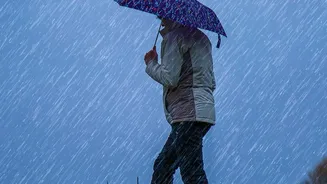
The 2026 southwest monsoon is expected to begin its withdrawal around September 19, slightly later than the normal date of September 17. While some regions have faced rainfall deficits, others have experienced intense spells. This erratic performance
has consequences that extend into winter. A key concern, especially after heavy rainfall, is soil saturation. When slopes in hilly regions become overly saturated with water, their stability is compromised, increasing the risk of landslides not just during the rains but also in the months that follow. This is a significant factor for anyone planning a trip to the mountains. Furthermore, intense rainfall can damage road infrastructure, with repairs often lasting well into the main tourist season.
Mountain Holidays: Planning with Caution
The Himalayas are a magnet for winter travellers, but they are also the region most susceptible to post-monsoon hazards. Intense monsoon spells can trigger devastating landslides, washing away roads and isolating towns. Climate change is making heavy rainfall events more frequent and intense in the Himalayan foothills, making slopes unstable. For those planning a road trip to destinations in Himachal Pradesh or Uttarakhand, this winter calls for extra vigilance. It's crucial to check real-time road status from official sources before and during your journey. Build flexibility into your itinerary with backup destinations or routes. Consider lower-altitude destinations that are less prone to landslides as a safer, yet still scenic, alternative. After a dry winter last season, many tourism stakeholders are hopeful for good snowfall to revive the industry, but safety must remain the top priority.
Wildlife Safaris and National Parks
For wildlife enthusiasts, the end of the monsoon signals the reopening of many of India's premier national parks. Most core zones in popular tiger reserves like Ranthambore, Corbett, Kanha, and Bandhavgarh are slated to reopen between October 1 and October 16, 2026. However, a prolonged or intense monsoon can sometimes delay openings if internal tracks are waterlogged or damaged. It is always best to confirm the exact opening dates and safari availability with park authorities or your tour operator before finalizing plans. Some parks in Southern India, such as Periyar and Nagarhole, remain open through the monsoon and offer a lush, green landscape for post-monsoon travel. Booking safaris well in advance, especially for popular parks, is highly recommended as permits are limited and fill up quickly.
Essential Road Trip Safety Checks
Regardless of your destination, a well-prepared vehicle is your best defence against uncertainty. This winter, pay special attention to your car's essentials. Start with the tyres; ensure they have adequate tread and are inflated to the correct pressure for colder temperatures. Your brakes, wipers, and defogger systems must be in perfect working order, as winter fog can severely reduce visibility, especially in North India. Pack a comprehensive emergency kit that includes a first-aid box, a torch, warm blankets, and high-visibility reflective triangles. Before you set off each day, check the weather forecast and any travel advisories for your route. Given the potential for unexpected disruptions, opt for flexible hotel bookings that allow for last-minute changes or cancellations without a penalty.