
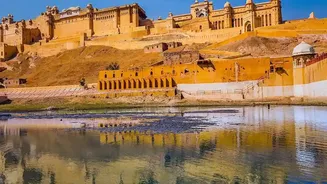
An Open-Air Art Gallery
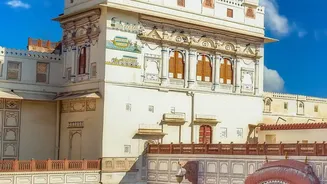
Often called the world's largest open-air art gallery, Shekhawati's magic lies in its 'havelis'—grand mansions built by wealthy Marwari merchants between the 18th and early 20th centuries. These merchants, who made their fortunes along historic caravan
trade routes, poured their wealth into building spectacular homes in their ancestral towns. But instead of plain walls, they commissioned artists to cover nearly every surface with intricate frescoes. These paintings depict a vibrant mix of mythology, folklore, royal ceremonies, and even early glimpses of modern technology like trains and cars, creating a unique visual history of a transformative era.
A Renewed Focus on Heritage
For years, many of these architectural treasures were neglected as families moved to bigger cities. Now, a concerted effort is underway to change that. Recognizing the region's immense potential, the Rajasthan government is actively promoting the Shekhawati heritage circuit. In early 2026, the state allocated significant funds—Rs 200 crore—for the conservation of around 600 havelis across the region. The initiative aims to not only restore these fading frescoes but also to improve infrastructure and potentially secure a UNESCO heritage tag, which would bring global attention to these unique towns. This government push signals that now is the perfect time to explore Shekhawati before the crowds arrive.
The Shekhawati Circuit: Key Towns to Visit
The Shekhawati region is a cluster of towns spread across the districts of Jhunjhunu, Sikar, and Churu. While there are dozens of smaller villages, a few key centres form the core of the tourist circuit. Mandawa is often the most popular starting point, known for its fort and numerous painted havelis that have served as backdrops for many films. Nawalgarh is considered the artistic heart of the region, boasting some of the finest frescoes and a well-maintained museum inside the Dr. Ramnath A. Podar Haveli. Fatehpur, the region's designated cultural capital, is home to the stunning Nadine Le Prince Haveli, painstakingly restored by a French artist. Other important stops include Dundlod, famous for its fort and Marwari horses, and the once-prosperous town of Ramgarh.
Beyond the Painted Walls
While the havelis are the main draw, the region offers more than just architectural wonders. Shekhawati provides an immersive experience of rural Rajasthani life, far from the commercial hustle of major tourist cities. You can wander through bustling local bazaars, sample traditional cuisine, and meet artisans who still practice crafts like miniature wood carving and lacquer bangle making. For nature lovers, a detour to the Tal Chhapar Sanctuary offers a chance to see blackbucks and various bird species in a unique grassland ecosystem. Some heritage properties also offer experiences like camel or horse safaris, allowing you to explore the stark beauty of the surrounding semi-desert landscape.
Planning Your Shekhawati Trip
Shekhawati is conveniently located between Delhi, Jaipur, and Bikaner, making it an excellent addition to a longer Rajasthan itinerary or a standalone trip. The region is best reached by road, and hiring a car and driver is the most flexible way to navigate between the towns. The nearest major airports are in Jaipur (around 170 km from Mandawa) and Delhi (around 250 km). The best time to visit is between October and March, when the weather is cool and pleasant. Accommodation options are plentiful, ranging from budget-friendly guesthouses to magnificent heritage hotels set within restored havelis, offering an authentic and unforgettable stay.