


It All Starts With Light
Before you do anything else, understand the light in your home. Light is the fuel plants use to create food, and getting it right is the most critical step. Most common houseplant problems can be traced back to incorrect lighting. Low light does not mean
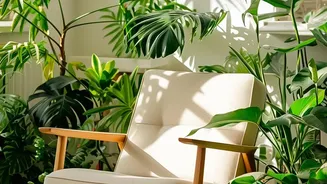
no light; even tolerant plants will struggle in a dark corner. Observe your windows: a south-facing window offers intense, direct light, while an east-facing one provides gentler morning sun. Most popular tropical houseplants prefer bright, indirect light—enough to read a book by comfortably without turning on a lamp. If a plant starts stretching towards a window with long gaps between its leaves, it is telling you it needs more light.
Master the Art of Watering
The single biggest mistake new plant parents make is overwatering. It is an act of love, but it suffocates the roots, which need oxygen as much as they need water. When roots sit in soggy soil, they can begin to rot, leading to yellowing leaves, mushy stems, and an unhealthy plant. Instead of watering on a rigid schedule, check the soil first. The most reliable method is the finger test: stick your finger about two inches into the soil. If it feels dry, it is time to water. If it feels moist, wait a few more days and check again. When you do water, do it thoroughly. Pour water until it flows freely from the drainage hole at the bottom of the pot, then discard any excess water from the saucer. This ensures the entire root system gets a drink without sitting in a puddle.
The Right Home: Pot and Soil
The right container and soil are your best defence against overwatering. A pot with a drainage hole is non-negotiable for beginners. These holes allow excess water to escape, preventing the soil from becoming a waterlogged swamp where root rot can develop. Many decorative pots do not have holes, but you can use them as a 'cachepot' by placing a plain nursery pot with drainage inside. As for soil, avoid using dense garden soil for indoor plants, as it compacts easily and holds too much water. A good quality, well-aerated potting mix is designed to provide the right balance of moisture retention and drainage, allowing roots to breathe.
Start With Forgiving Plants
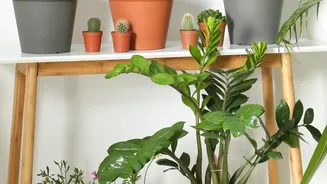
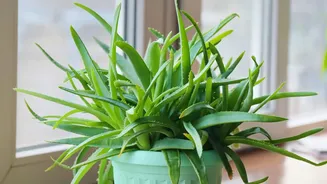
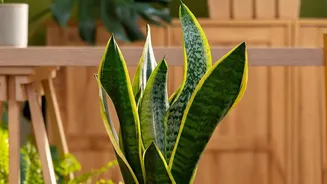
Set yourself up for success by choosing plants that are known for being resilient and adaptable. Starting with a demanding species is a recipe for frustration. For beginners in India, some of the most forgiving options include the Snake Plant (Sansevieria), ZZ Plant (Zamioculcas zamiifolia), and Pothos or Money Plant (Epipremnum aureum). These plants are popular for a reason: they tolerate a wide range of lighting conditions, can bounce back from irregular watering, and are generally less fussy. The Snake Plant and ZZ Plant are particularly tough and can handle lower light and periods of drought. The Pothos is a fast-growing vine that will quickly give you a sense of accomplishment.
Simple Habits for Success
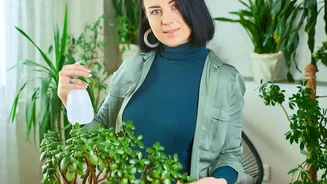
Effortless plant care comes from building simple, consistent habits rather than performing complex rituals. Make it a weekly routine to walk around and check on your plants. Look at their leaves, feel their soil, and rotate them so all sides get even light exposure. Gently wipe down the leaves with a damp cloth every few weeks. Dust that settles on leaves can block light and hinder photosynthesis. Also, keep an eye out for any signs of pests like fungus gnats, which are often associated with soil that is kept too moist. By catching these small things early, you can prevent them from becoming big problems. This regular observation will also help you learn your plants' specific needs and rhythms.