



What Is Glass Skin, Really?
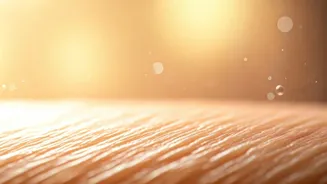
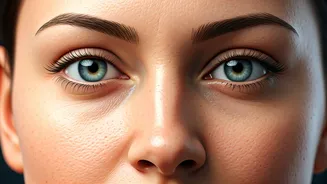
Originating from the world of Korean beauty, 'glass skin' describes a complexion that is so healthy, hydrated, and even-toned that it appears to reflect light like a piece of glass. It’s not about being poreless or flawless, which are often unrealistic
standards amplified by social media filters. Instead, the philosophy behind glass skin is a deep commitment to the health of your skin. It’s a shift in focus from covering imperfections with cosmetics to nurturing the skin from within so that it glows with its own natural radiance. The goal is a complexion that is plump, dewy, and springy to the touch—the ultimate sign of happy, well-cared-for skin.
The Foundation: A Consistent Skincare Routine
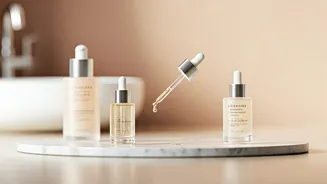
Achieving this coveted glow is a marathon, not a sprint, and it all starts with a dedicated skincare routine. The core principle is layering multiple, lightweight hydrating products. A typical routine begins with a double cleanse, using an oil-based cleanser to melt away makeup and sunscreen, followed by a gentle, water-based cleanser to remove any remaining impurities without stripping the skin. This ensures your skin is a clean canvas, ready to absorb the goodness that follows. After cleansing, a hydrating toner is patted into the skin, often followed by an essence—a watery, nutrient-rich liquid that preps the skin for serums. These layers of hydration are what create that plump, bouncy texture.
The Power Players: Exfoliation and Serums
While hydration is key, smooth texture is equally important for that light-reflecting quality. This is where gentle exfoliation comes in. Instead of harsh physical scrubs, the glass skin method favours chemical exfoliants like AHAs (alpha-hydroxy acids) and BHAs (beta-hydroxy acids) used two to three times a week. These work to dissolve dead skin cells, unclog pores, and refine the skin’s surface, revealing a brighter complexion underneath. Following exfoliation and toning, targeted serums are applied. Look for hero ingredients like hyaluronic acid for an intense moisture boost, niacinamide to support the skin barrier and even out skin tone, and Vitamin C to brighten and provide antioxidant protection.
Sealing the Deal: Moisturiser and SPF
All those carefully applied layers of hydration would be useless without the final steps: moisturiser and sunscreen. A good moisturiser acts as a sealant, locking in the serums and essences and reinforcing your skin's natural barrier to prevent water loss throughout the day. In the daytime, the non-negotiable final step is a broad-spectrum sunscreen with at least SPF 30. This is arguably the most crucial step for long-term skin health, as it protects your skin from UV damage that leads to premature ageing, dark spots, and a dull complexion—all of which are the opposite of the glass skin ideal.
So, Where Does Makeup Fit In?
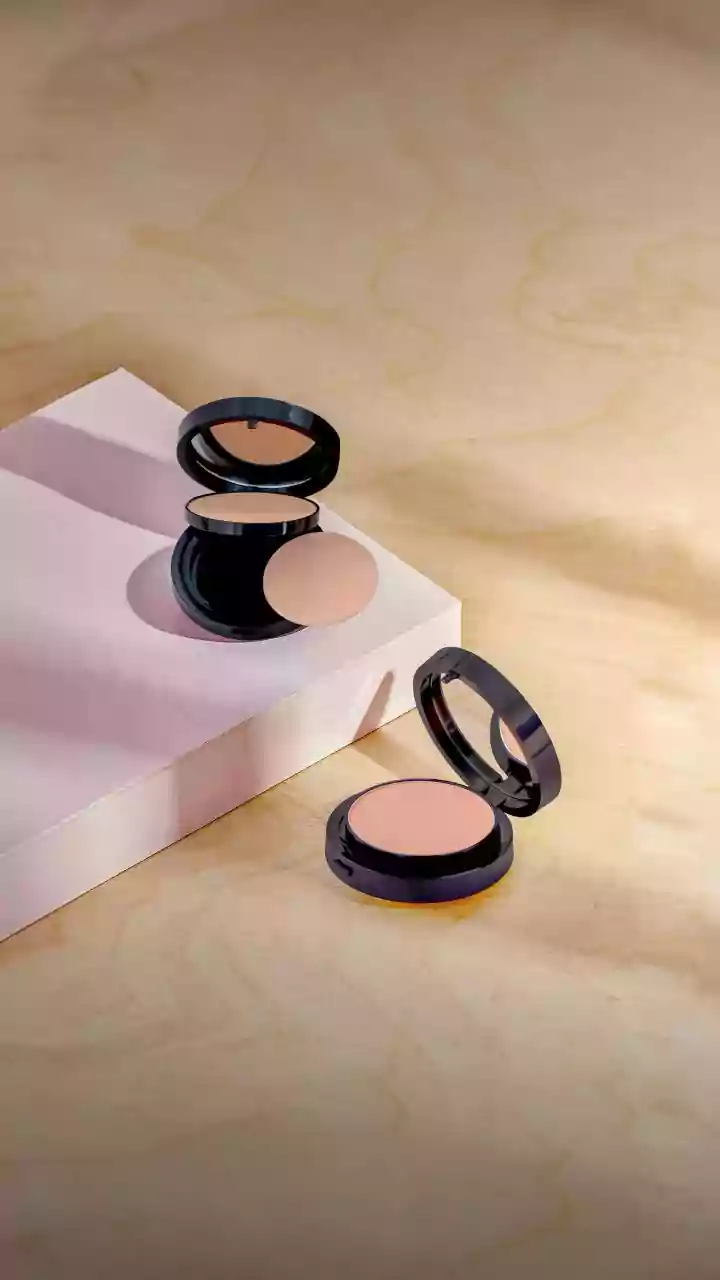
With such an emphasis on skincare, you might wonder if makeup has any role to play. The answer is yes, but a minimal one. Makeup in the context of glass skin is used to enhance, not conceal. Think of a lightweight, dewy-finish foundation or a skin tint applied sparingly, a touch of cream blush for a natural flush, and perhaps a liquid highlighter dabbed onto the high points of the face for an extra boost of radiance. The goal is to let your healthy skin shine through. Ultimately, the headline holds true: while makeup can offer a temporary sheen, true glass skin is a reflection of consistent care and overall skin health.