


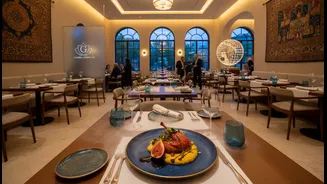


A New Chapter in Culinary Exports
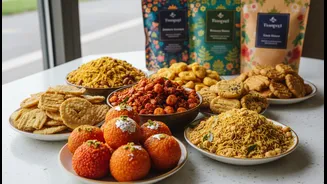
For decades, the story of Indian food abroad was largely written by individual chefs and entrepreneurs. Today, a significant strategic shift is underway. Established Indian food companies, once focused on domestic markets or exporting packaged snacks,
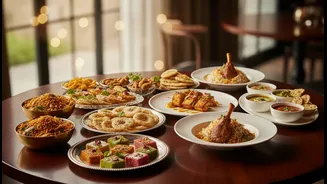
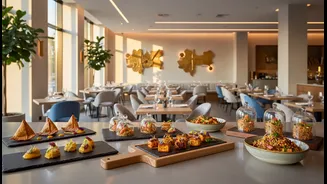
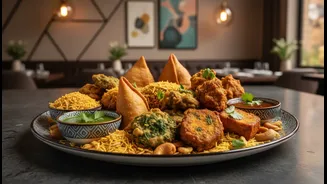
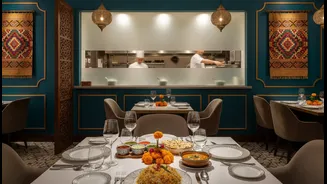
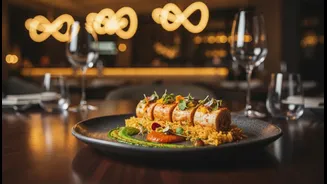
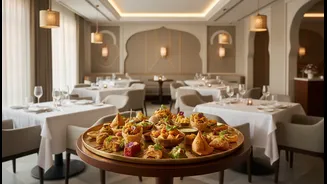
are now making a bold play: opening branded, sit-down restaurants on a global scale. This isn't just about selling food; it's about exporting a complete, curated dining experience. Brands like Haldiram's, Bikanervala, and Saravana Bhavan are leading this charge, transforming from household names in India to ambitious global players. They are being joined by a host of other QSR (Quick Service Restaurant) and fine-dining brands who see a world hungry for authentic Indian flavours.
Serving the Diaspora and a Curious World
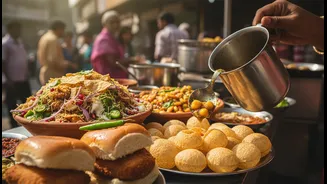
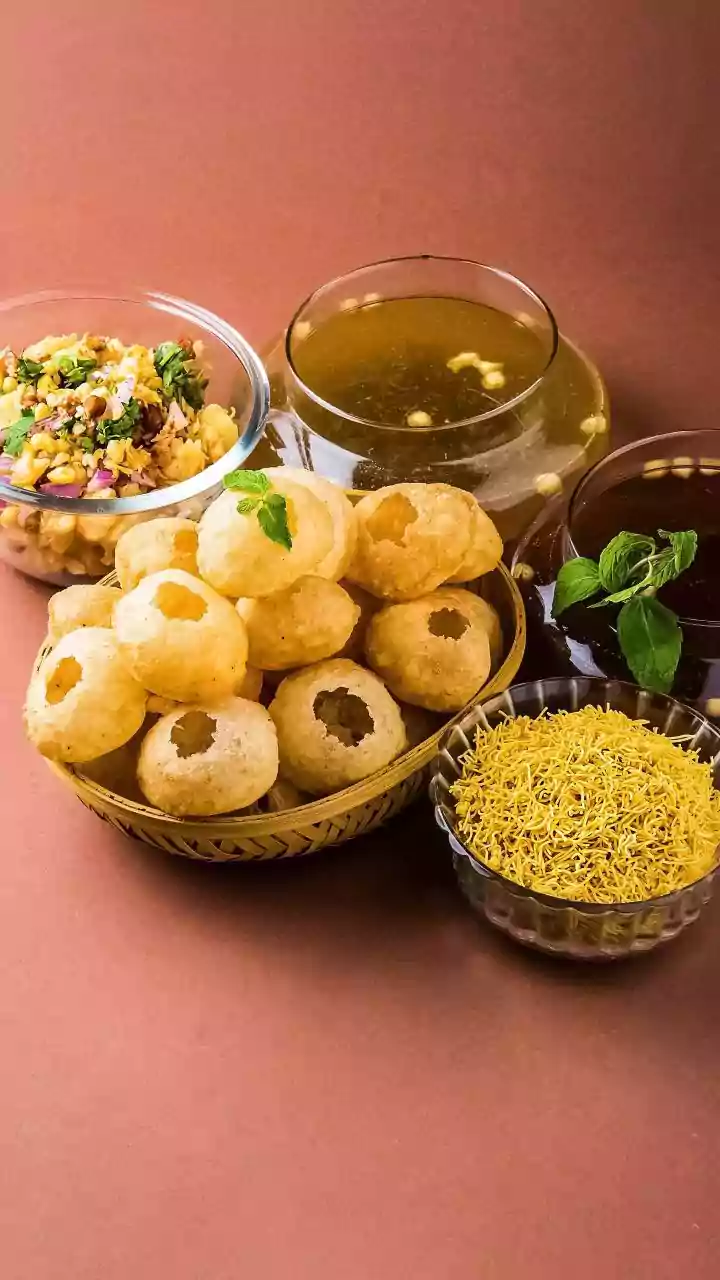
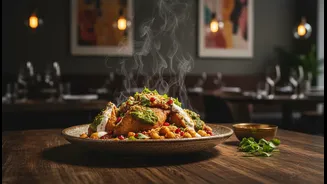
The primary catalyst for this expansion is the large and increasingly affluent Indian diaspora. Cities with significant Indian populations like London, Dubai, Toronto, and New York are natural first stops, offering a ready-made customer base that craves familiar tastes. However, the strategy extends beyond just serving non-resident Indians. These restaurants are also tapping into a growing mainstream interest in authentic, regional Indian cuisine. As global palates become more adventurous, the rich diversity of Indian food is finding a receptive international audience, moving perceptions beyond a monolithic idea of 'curry'.
From Packets to a Full-Plate Experience
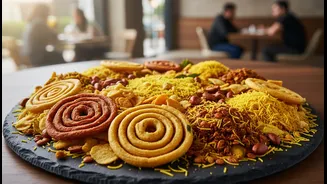
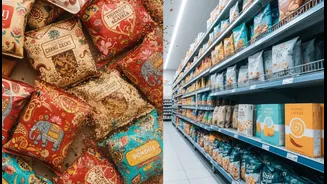
Opening a physical restaurant is a capital-intensive move, far more complex than exporting packaged goods. So why are these businesses taking the leap? The answer lies in brand building and controlling the customer experience. A restaurant serves as a powerful 'experience center' for a brand, allowing it to showcase its culinary philosophy in a way a packet of bhujia cannot. It builds a deeper connection with consumers and acts as a cultural ambassador. Furthermore, a successful restaurant creates a virtuous cycle, driving demand for the brand's packaged products on international supermarket shelves. It’s a move from simply selling a product to owning the entire narrative around it.
The Recipe for Global Success
Expanding internationally is not without its challenges. Navigating different regulatory environments, managing international supply chains to source authentic ingredients, and adapting to local labour laws are significant hurdles. A key strategy for many has been franchising, which allows for faster scaling by partnering with local entrepreneurs who understand the market. Successful brands have also mastered the art of balancing authenticity with local preferences, sometimes creating dual menus or slightly adapting recipes without losing their core identity. Standardisation is crucial; a dal makhani at an outlet in Dubai must taste the same as one in Delhi, which requires rigorous training and replicable processes.
The Future is a Global Food Court
This trend is more than just a business strategy; it represents a new level of confidence for Indian brands on the world stage. Bolstered by private equity funding and a proven track record of domestic success, companies are no longer just thinking about the next Indian city, but the next continent. As brands like Wow! Momo, Chaayos, and Biryani Blues explore global high streets, they are telling a new story of a scalable, aspirational, and innovative India. This expansion signifies that Indian cuisine is not just being consumed globally, but the brands that have perfected it at home are now leading the charge in defining how the world experiences it.