




The Anatomy of a Traffic Jam
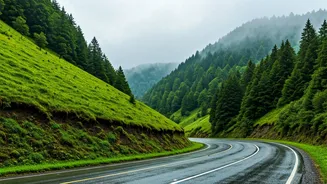
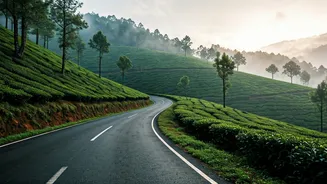
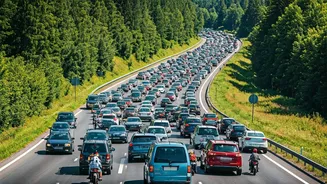
It’s a familiar story for Mumbaikars and Punekars. The first hint of a long weekend or a strong monsoon shower triggers a mass exodus towards the green hills of Lonavala and Khandala. The Mumbai-Pune Expressway, a marvel of engineering on weekdays, transforms
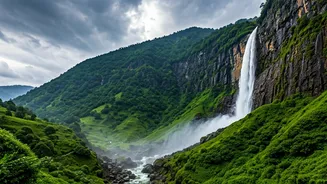
into a virtual parking lot. This isn't random; it's a predictable pattern fueled by a few key factors. First, the sheer volume. Tens of thousands of vehicles descend on a town with infrastructure built for a fraction of that number. Second, the 'monsoon effect'. The allure of misty mountains, gushing waterfalls, and hot corn-on-the-cob is a powerful magnet. And finally, a concentration of attractions in a small area means everyone is heading to the same few places, creating bottlenecks that ripple backwards for kilometres.
Know Your Choke Points
Navigating Lonavala’s traffic is about knowing where the trouble spots are. The first hurdle is often the Lonavala exit on the expressway itself, where the wide highway funnels into smaller roads. From there, the gridlock spreads. The narrow, winding road leading to the ever-popular Bushi Dam is a primary offender, often reduced to a single lane of slow-moving traffic. Similarly, the routes to Tiger Point and Lion's Point become clogged with cars vying for limited parking and photo opportunities. The main market road within Lonavala town is another major pain point, especially in the evenings, as tourists and locals jostle for space. Simply avoiding these specific routes during peak hours (typically 10 a.m. to 4 p.m. on Saturdays and Sundays) can make a significant difference to your experience.
Timing Is Everything: Your Travel Blueprint
If you cannot change the destination, change your timing. This is the golden rule for a stress-free Lonavala trip. To beat the incoming rush, leave from Mumbai or Pune as early as possible on Saturday morning, aiming to be in Lonavala before 8 a.m. The later you leave, the more likely you are to get caught in the surge. For your return journey on Sunday, the same logic applies in reverse. The mass departure begins around 3 p.m. and peaks by late evening. Your best bet is to either have a leisurely lunch and leave by 2 p.m. at the latest, or have an early dinner and hit the road after 9 p.m., once the worst of the traffic has cleared. An unconventional but effective strategy is to plan a trip from Sunday to Monday, effectively dodging the weekend warrior crowds entirely.
Exploring Alternatives to Your Car
While driving is the default option for most, it's worth considering alternatives. The train is an excellent, stress-free way to reach Lonavala. Services from both Mumbai and Pune are frequent, affordable, and deliver you right to the centre of town, bypassing all expressway traffic. Once in Lonavala, you can rely on local autorickshaws or hire a car with a local driver who knows the back-roads and traffic patterns. This not only saves you the headache of driving and parking but also supports the local economy. If you must drive, consider parking your car at your hotel and exploring the town on foot or by rickshaw. Trying to drive from your hotel to a nearby restaurant during peak hours is often a futile exercise.
What the Authorities Are Doing
Local police and highway authorities are not oblivious to the problem. During peak tourist seasons, you'll often see an increased police presence managing traffic flow. They frequently implement temporary one-way routes, especially on the roads leading to Bushi Dam and Tiger Point, to prevent deadlocks. Parking restrictions are also enforced more strictly, with designated 'no parking' zones to keep the narrow lanes clear. However, these measures can only do so much to manage the overwhelming volume. It's wise to check the official social media handles of the Pune Rural Police or Highway Patrol for real-time updates and advisories before you start your journey. They often post about major jams or diversions.