





The Real Work Starts After Your Workout
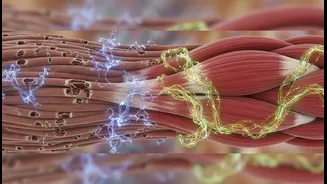
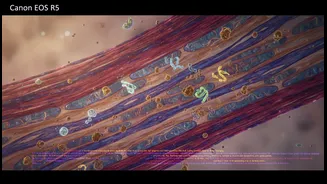
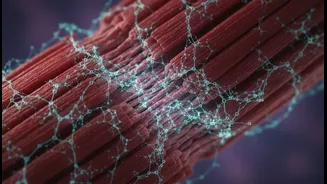
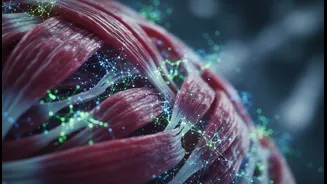
That feeling of muscle soreness after a challenging workout isn't just a sign you worked hard; it's the starting pistol for a complex and beautiful biological process. When you exercise, you create microscopic tears in your muscle fibres. This might sound
like damage, but your body sees it as a signal—an opportunity to rebuild bigger and stronger than before. This stress is the necessary trigger for adaptation. Instead of a quick patch-up job, your body initiates a meticulous and deliberate reconstruction project, and like any quality construction, it simply can’t be rushed.
Meet Your Cellular Repair Crew
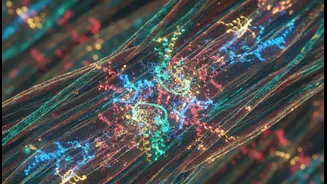
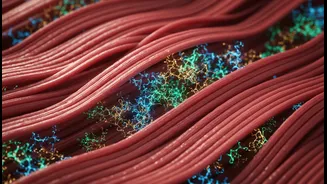
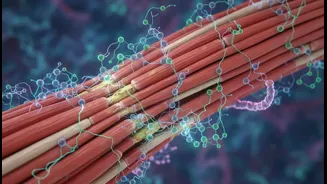
At the heart of this repair process are amazing cells called muscle stem cells, or satellite cells. Think of them as a highly specialised, on-call construction crew. When they get the signal from your workout, they activate and multiply. Some of these new cells rush to the site of the micro-tears, fusing with existing muscle fibres to repair them and add to their size and strength. This is the part that leads to muscle growth, or hypertrophy. But here’s the genius part: not all of the activated stem cells join the repair effort. A portion of them are directed to return to their dormant state, replenishing the original pool of stem cells. This process, called self-renewal, ensures your muscles have a ready supply of repair cells for your entire life. It’s a perfect balance between building for today and preserving for tomorrow.
Slowing the Molecular Clock
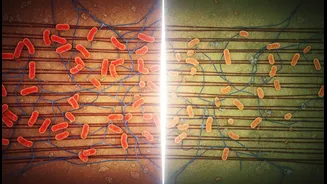
While this repair is happening, something even more profound is occurring: your body is actively fighting the effects of ageing at a molecular level. One of the hallmarks of ageing is the decline of our mitochondria—the tiny powerhouses inside our cells. Exercise, particularly high-intensity training, can reverse some of this decline, improving mitochondrial function and enhancing your cells' ability to produce energy. Furthermore, studies show that consistent, high levels of physical activity are linked to longer telomeres. Telomeres are the protective caps at the ends of your chromosomes that naturally shorten as you age. Longer telomeres are associated with a younger biological age, meaning exercise is literally helping to keep your cells youthful.
The Wisdom of a Slow Process
This is the essence of the headline's claim. Your body isn't just inefficiently slow; it's wisely deliberate. It balances the immediate need for muscle repair with the long-term goal of maintaining a healthy cellular environment and slowing the ageing process. Recent research from July 2026 has even shown that exercise can adjust the levels of specific genes in older adults, allowing their muscles to clear out damage and function more like younger muscles. By forcing this careful balance, your body ensures that the adaptations it makes are sustainable and contribute to overall health, not just superficial gains. The slow, steady progress you experience is a sign that your body is prioritising quality, resilience, and longevity over speed.
More Than Just Muscles
The benefits of this careful molecular management extend far beyond the gym. When your muscles work, they act as an endocrine organ, releasing hundreds of molecules called myokines into your bloodstream. These molecules travel throughout your body, influencing the health of other organs, reducing inflammation, improving brain function, and helping to protect you from a host of chronic diseases. So, while you might be focused on building your biceps or improving your run time, your body is orchestrating a symphony of molecular changes that are enhancing your entire well-being. This is why exercise is consistently linked to a longer, healthier life, not just a fitter one.