




An Unexpected Art World Phenomenon
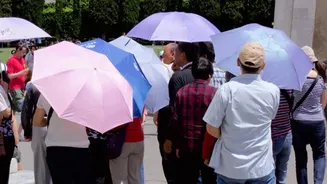
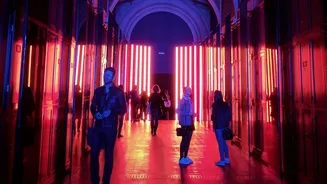
Imagine queuing for hours, excitement building, only to be ushered into a gallery for a viewing slot that lasts mere minutes. This has been the surprising experience for many tourists and locals at 'Small is Beautiful', an exhibition that has become a viral
sensation in Paris. The show, dedicated to the intricate world of miniature art, has drawn unprecedented crowds, turning what should be an intimate viewing into a hurried affair. Visitors have expressed astonishment not only at the microscopic detail of the artworks, some of which require a magnifying glass to appreciate, but also at the logistical challenges of seeing them in a packed, fast-moving environment. The exhibition, which originated in Paris and has since toured internationally, was born from a social media trend, ironically leading to real-world overcrowding.
The Intricate World of Miniature Art
The exhibition itself is a deep dive into a fascinating, often overlooked, genre. It gathers works from more than 30 international artists who play with scale, creating entire worlds on a minuscule level. These pieces are crafted from everyday objects, with some sculptures and scenes so small they are displayed under microscopes. The 'Small is Beautiful' movement celebrates the idea of finding beauty in the small details, a concept popularized by economist E.F. Schumacher. The artists featured are masters of patience and precision, challenging viewers to slow down and look closer. This ethos, however, creates a paradox when thousands of people are trying to do so at the same time, turning a call for quiet observation into a source of visitor pressure.
A Victim of Its Own Success
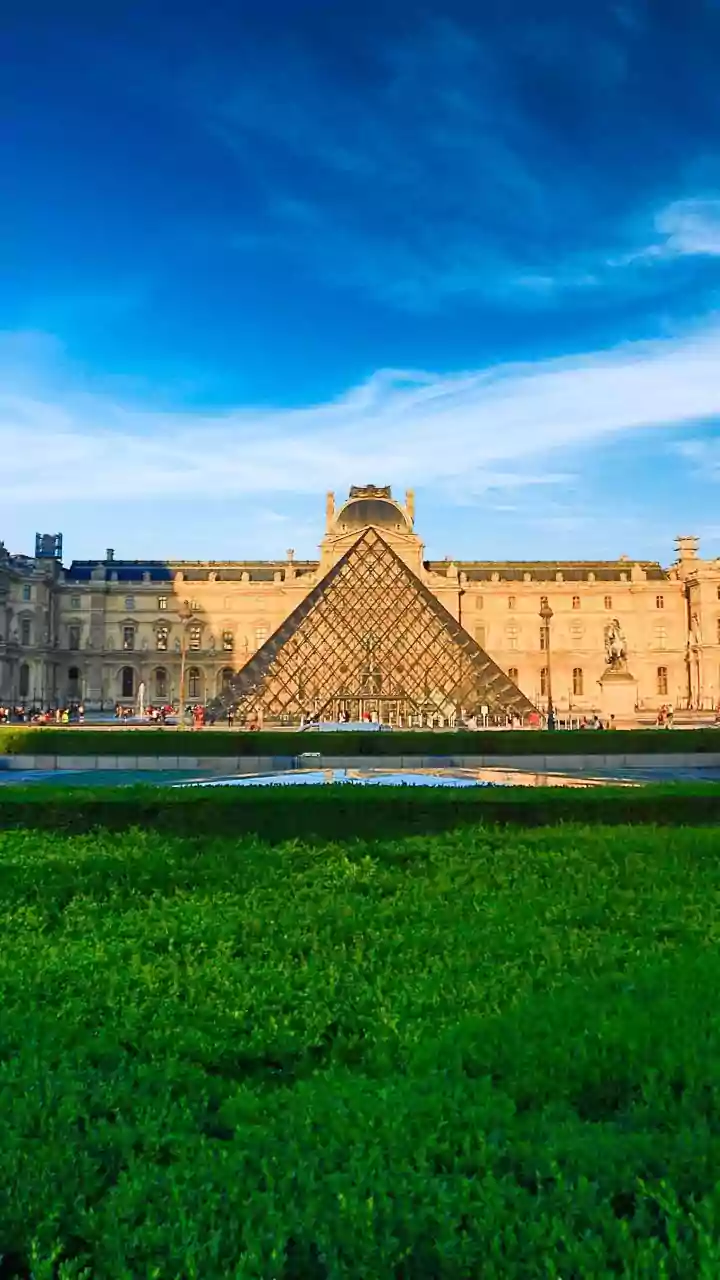
The 'rushed viewing rooms' are a direct consequence of the exhibition's massive popularity, fueled largely by social media platforms where the #MiniatureArt hashtag has millions of followers. Museum and gallery organizers in Paris are often caught between providing access and managing overwhelming demand. To handle the crowds, institutions are increasingly forced to implement timed ticketing and strict entry slots, as seen with this exhibition. While this ensures more people get a chance to see the work, it can lead to a conveyor-belt-like experience, which feels contrary to the spirit of art appreciation. This situation is not unique; major institutions like the Louvre have long struggled with overcrowding, particularly around masterpieces like the Mona Lisa, leading to debates about how to preserve the viewing experience in the age of mass tourism.
The Challenge of 'Checklist' Tourism
The phenomenon at the 'Small is Beautiful' exhibition highlights a broader trend in cultural tourism. Many visitors, eager to see globally recognized attractions, often arrive with a 'checklist' mentality. The goal becomes less about personal connection with the art and more about capturing a photo to prove they were there. This dynamic puts immense pressure on cultural institutions. Exhibitions that become viral sensations are particularly susceptible. The desire to see the tiny art is genuine, but the environment created by the crowds and the tight schedules can leave visitors feeling like they've simply ticked a box rather than had a meaningful encounter. It raises questions about how museums can balance popularity with the quality of the visitor's experience, especially when the art itself demands quiet, focused attention.