





Embracing the Scenery
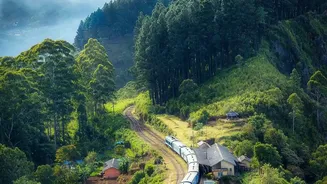
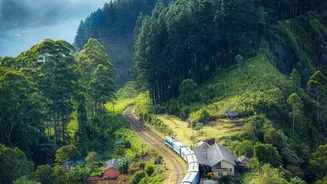
The first step in elevating the rail experience is shifting focus from speed to scenery. India's diverse landscapes offer a spectacular, ever-changing backdrop that is often missed in the rush. Indian Railways has already tapped into this with the introduction
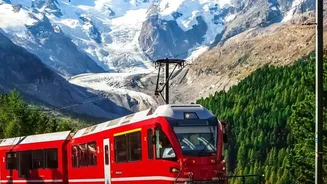
of Vistadome coaches on several scenic routes. These coaches feature large glass windows, transparent roofs, and rotating seats, allowing passengers to soak in panoramic views. Routes like the one through the Araku Valley, the Western Ghats, or the Kalka-Shimla heritage line become immersive experiences in these coaches. By expanding these services and promoting them not just as a mode of travel but as a sightseeing activity, the journey itself gains a new dimension of appeal. It’s about making the window seat the best seat in the house for discovering India’s natural beauty.
Curated Onboard Experiences
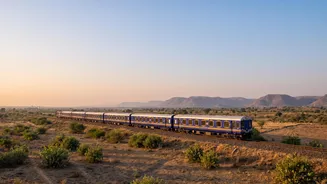
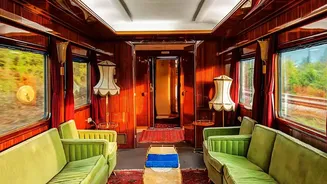
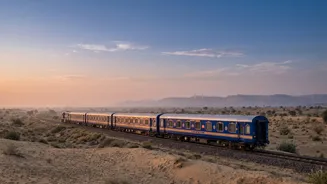
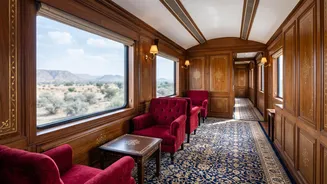
Transforming a train into a destination requires thinking beyond basic amenities. The future lies in curated onboard experiences that reflect India’s rich culture. This could mean dedicated coaches for yoga and wellness on spiritual routes, or storytelling sessions by local historians on heritage circuits. Imagine live folk music performances on journeys through Rajasthan or culinary workshops showcasing regional cuisine as the train passes through different states. Luxury trains like the Maharajas' Express already offer a glimpse into this potential with their opulent interiors and royal hospitality. While not every train can be a palace on wheels, the principle of themed experiences can be adapted. The Bharat Gaurav Tourist Trains, which focus on specific themes like religious pilgrimages, are a step in this direction, offering all-inclusive packages that handle accommodation and sightseeing.
From Pantry Car to Culinary Journey
Food is central to any Indian experience, and train journeys are no exception. For decades, railway food has been more about sustenance than delight. Elevating this aspect can profoundly change the travel experience. Instead of a generic menu, pantry cars could offer regional specialities that change as the train crosses state borders. Imagine tasting authentic biryani while passing through Hyderabad or fresh seafood dishes on the Konkan route. Collaborations with local food artisans and celebrated chefs could transform train dining into a culinary journey. Technology can play a role here too, with apps allowing passengers to pre-order local delicacies from upcoming stations, ensuring both freshness and a taste of the local culture. While basic hygiene and service have improved with initiatives like 'Coach Mitra' for logging complaints, the focus should now shift to quality and authenticity.
Stations as Modern Gateways
The journey doesn’t start on the platform; it begins the moment you enter the station. Historically, many Indian railway stations have been chaotic and stressful. However, the Amrit Bharat Station Scheme is a massive initiative aimed at redeveloping over 1,300 stations into modern, airport-like hubs. These renovated stations are planned to feature improved waiting areas, clean lounges, food courts, and better accessibility. Some stations are even creating permanent holding areas to manage crowds and provide essential amenities outside the main platforms. By transforming stations into clean, safe, and welcoming environments, the entire tone of the journey is set before the train even arrives. These spaces can become gateways to the region, featuring local art, craft shops, and information centres that introduce travelers to the destination ahead.
The Rise of Smarter, Comfortable Travel
Modernisation is key to making train travel a preferred choice. The introduction of advanced train sets like the Vande Bharat Express has already set new benchmarks for speed and comfort, with features like onboard Wi-Fi, GPS-based information systems, and improved interiors. The plan to roll out thousands of these trains, including sleeper versions, signifies a major upgrade for the network. Furthermore, integrating technology like AI for dynamic pricing and crowd management, along with paperless ticketing and better real-time information, smooths out the logistical hurdles of travel. As the core infrastructure improves—with cleaner bio-toilets, upgraded coaches under projects like Utkrisht, and better security—passengers are freed to enjoy the journey rather than just endure it.