








Why Humidity Wrecks Sleep
The main problem with high humidity is that it sabotages your body's natural air conditioning system: sweating. For us to cool down, sweat needs to evaporate from our skin. When the air is already saturated with water vapour—as it is in humid conditions—that
evaporation process slows down dramatically. As a result, your body struggles to lower its core temperature, a crucial signal for initiating and maintaining sleep. This can lead to increased wakefulness and less time spent in the most restorative stages of sleep, including deep NREM and REM sleep, which are vital for physical recovery and memory consolidation.
The Ideal Sleep Environment
Experts suggest that the ideal relative humidity for sleeping is between 40% and 60%. Levels above 60% can make the room feel stuffy and uncomfortable, hindering your body's cooling efforts. This damp environment also creates a breeding ground for allergens like mould and dust mites, which can trigger respiratory issues and further disrupt sleep. Coupled with an ideal temperature—often cited as being between 15°C and 19°C—managing humidity is a key part of creating a bedroom sanctuary that promotes deep, uninterrupted rest.
Take Control with a Dehumidifier
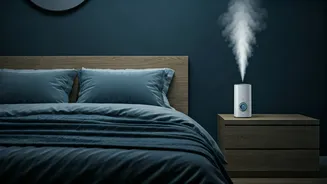
One of the most effective tools for combating indoor humidity is a dehumidifier. These devices work by drawing moisture out of the air, helping you maintain that optimal 40-60% humidity range. While some air conditioning systems have a dehumidifying function, a standalone unit offers more targeted control. They come in various sizes to suit different rooms. Remember to empty the water collection tank regularly and clean the filter to ensure it operates efficiently.
Optimise Your Airflow
Proper air circulation is essential for feeling cooler and helping sweat evaporate. Use fans strategically to create a cross-breeze by placing one fan facing out of a window to push hot air out, and another to circulate cooler air within the room. If you have an air conditioner, studies suggest that a moderate airflow setting is often better for sleep than a high-powered blast, which can be disruptive. Even simply opening windows in the evening after the outdoor temperature has dropped can help ventilate the space and reduce mugginess.
Choose Breathable Materials
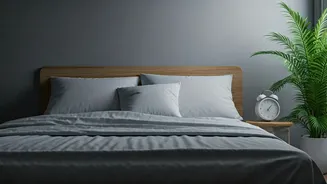
The fabrics you surround yourself with can either trap heat and moisture or help wick it away. Opt for bedding made from natural, breathable materials like cotton, bamboo, or linen. These fabrics are much better at managing moisture than synthetic materials like polyester, which can leave you feeling clammy. The same logic applies to your sleepwear. Lightweight, loose-fitting pyjamas made from cotton or other moisture-wicking fabrics will keep you far more comfortable than heavy or synthetic options.
Adjust Your Bedtime Routine
A few simple tweaks to your evening habits can make a big difference. A cool or lukewarm shower before bed can help lower your body temperature, signalling to your brain that it's time for sleep. Be mindful of hydration throughout the day but try to avoid drinking large amounts of liquid right before bed to prevent sleep-interrupting bathroom trips. Also, consider blocking out sunlight during the day by closing curtains or blinds, which prevents your room from heating up and makes it easier to cool down at night.