






Pests in your home garden can be a frustrating problem, but reaching for harsh chemical pesticides isn't the only solution. A simple, safe, and effective alternative is a homemade spray using natural neem oil and simple, soapy water.
Your Natural Pest Control Toolkit
At the heart of this
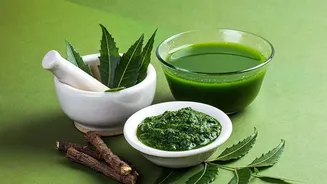
DIY insecticide are two key ingredients: neem oil and a mild liquid soap. Neem oil is a vegetable oil pressed from the seeds of the neem tree (Azadirachta indica), which is native to India and Southeast Asia. Its power comes from various compounds, most notably azadirachtin, which works not as an instant poison but by disrupting the life cycle of pests. It can prevent them from feeding, moulting, and reproducing, gradually bringing an infestation under control. The soap is not just for cleaning; it acts as an essential emulsifier. Since oil and water don't mix, a few drops of soap allow the neem oil to disperse evenly in the water, ensuring a consistent spray. The soap itself also helps to break down the outer layer of soft-bodied insects like aphids and mites.
The Perfect DIY Spray Recipe
Creating your own pest control spray is remarkably simple. For a standard preventative solution, you will need a clean one-litre spray bottle, warm water, pure cold-pressed neem oil, and a mild liquid soap (like castile soap, avoiding harsh detergents). For a general-purpose spray, mix one teaspoon of neem oil and half a teaspoon of mild liquid soap into one litre of warm water. If you are dealing with a more significant infestation, you can create a stronger 1% solution by increasing the neem oil to two teaspoons. It is crucial to mix the solution right before you plan to use it, as the active compounds in neem oil can degrade over time once diluted. Shake the bottle vigorously to combine the ingredients and continue to shake it periodically during application to keep the mixture emulsified.
How and When to Apply for Best Results
Timing and technique are critical for success and safety. The best time to spray your plants is in the early morning or late evening. Applying the spray in the middle of the day when the sun is bright can cause the oil-coated leaves to burn. This timing also minimizes contact with beneficial pollinators like bees, which are less active at these times. Before spraying an entire plant, it's wise to perform a patch test on a single leaf and wait 24 hours to check for any signs of stress or damage. When you're ready to spray, ensure you get complete coverage. Pests often hide on the undersides of leaves and in the joints of stems. Mist the entire plant, including the tops and bottoms of all leaves, until the solution is just beginning to drip. Reapply the spray every 7 to 14 days for prevention or every 5 to 7 days to control an active infestation. You will need to reapply after it rains, as the spray will be washed off.
Pests and Diseases It Controls
This simple spray is effective against a wide range of common garden nuisances. It is particularly useful for controlling soft-bodied insects. These include aphids, mealybugs, whiteflies, thrips, and spider mites. The oil can suffocate these pests on contact, while the azadirachtin gets to work on those that ingest it. Beyond insects, neem oil also has fungicidal properties and can help manage common fungal diseases like powdery mildew, black spot, and rust. It works best as a preventative measure, stopping fungal spores from germinating on leaf surfaces.
Important Precautions to Consider
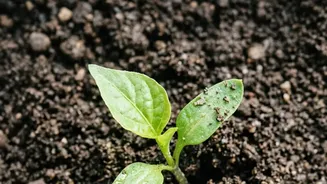
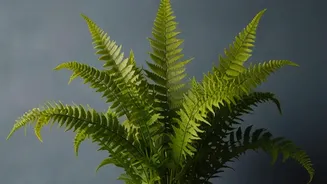
While natural, neem oil is a powerful substance and should be used with care. Some plants can be sensitive to it, especially those with delicate or fuzzy leaves like certain herbs (basil, parsley), leafy greens (lettuce, spinach), succulents, and ferns. Always perform a patch test. Avoid using the spray on very young seedlings or plants that are already stressed from drought or recent transplanting. Although it is considered safer for the environment than synthetic pesticides, neem oil can be harmful to fish and other aquatic life, so avoid using it near ponds or streams. To protect beneficial insects, avoid spraying blossoms directly and always apply the spray when pollinators are not active. Always wash any treated fruits and vegetables thoroughly before eating.