






The New Layer of Travel Admin
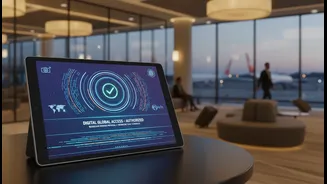
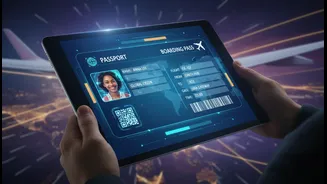
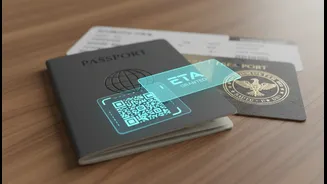
It’s called an Electronic Travel Authorisation (ETA), and it’s a digital permit required by a growing list of countries. An ETA is not a visa; rather, it’s a pre-screening clearance for foreign nationals, allowing them to board a flight and enter a country.
This trend started with Australia's system in 1996 and has since been adopted by countries like the United States with its ESTA program, Canada with its eTA, and New Zealand. These systems are designed to enhance security and streamline border control by vetting travellers before they arrive. For travellers, it means an extra step that, if forgotten, could result in being denied boarding.
How It Affects Indian Travellers
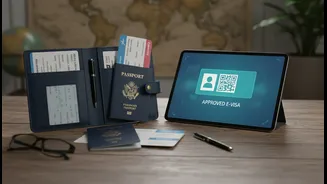
While many ETA systems apply to nationalities that are visa-exempt for certain countries, the trend is expanding and directly impacting Indian passport holders. For example, Kenya recently replaced its eVisa system with a mandatory Electronic Travel Authorisation (eTA) for all foreign nationals, including Indians. Sri Lanka and Seychelles also require Indian travellers to obtain an online authorisation before departure. The most significant change on the horizon, however, involves the United Kingdom. While the UK's ETA scheme currently applies to visa-exempt nationals, its ongoing digitisation of borders means all travellers, including Indians applying for standard visitor visas, now receive a digital eVisa instead of a physical sticker in their passport. This digital permission is linked to your passport and verified by airlines before you fly.
The European Union's ETIAS
The European Union is also set to launch its own system, the European Travel Information and Authorisation System (ETIAS). After several delays, it is now expected to become operational in 2027. When it launches, ETIAS will be a mandatory pre-travel requirement for visitors from 59 visa-exempt countries travelling to 30 European nations. While Indian citizens currently need a Schengen visa to visit most of the EU and won't need an ETIAS, the system's introduction marks a major global shift. It underscores the move towards digital pre-clearance as a standard for international travel, a trend that could influence visa policies worldwide in the coming years.
Common Mistakes and How to Avoid Them
Applying for an ETA or eVisa is generally a straightforward online process, but simple mistakes can lead to denied applications or travel-day chaos. One of the most common errors is a mismatch between the name on the application and the name on the passport. Even a small typo can cause an automated system to reject your application. Another frequent pitfall is applying too close to the departure date. While most authorisations are approved within minutes or hours, some can take several days to process if extra documentation is required. Finally, be sure to apply on the official government website. Third-party sites often charge extra fees for the same service.
Your Pre-Flight Checklist
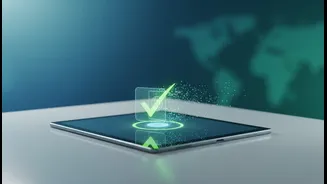
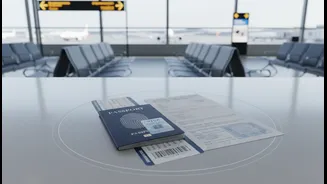
To ensure your journey is smooth, add these steps to your travel planning. First, as soon as you book your trip, check the entry requirements for your destination and any transit countries. Don't assume the rules are the same as your last visit. Second, apply for any required ETA or digital visa well in advance. Third, double- and triple-check all the information you enter, ensuring it matches your passport details exactly. Pay close attention to date formats, as the DD/MM/YYYY format common in many parts of the world differs from the MM/DD/YYYY format used in the U.S. Lastly, once your authorisation is approved, carry a printed copy with you, in addition to the digital version on your phone. A lost phone or a dead battery shouldn't derail your trip.