






Houston, We Have a Gut Problem
When we think of space travel's toll on the body, we often picture muscle atrophy and bone density loss. However, astronauts frequently report more grounded, albeit uncomfortable, issues like constipation, bloating, and stomach discomfort. Recent research
has uncovered that these aren't just minor inconveniences; they are symptoms of a fundamental shift occurring within the gut microbiome—the trillions of bacteria living in our digestive tract. Studies on International Space Station (ISS) astronauts show that the composition of this internal ecosystem changes significantly in space. The diversity of beneficial bacteria can decrease, while certain potentially harmful microbes may increase, creating an imbalance known as dysbiosis. This disruption affects not only digestion but is also linked to the immune system, mental health, and overall well-being.
What's Behind the Disruption?
Several factors unique to spaceflight conspire against a healthy gut. The most significant culprit appears to be microgravity. Without the constant downward pull of gravity, the movement of food through the digestive tract slows down. This delayed transit gives gut microbes too much time with their preferred fuel—carbohydrates. A recent study found that bacteria consume all available carbs early and then switch to fermenting protein for energy. This process releases compounds that can further slow bowel movements, leading to constipation. Beyond microgravity, other stressors include exposure to cosmic radiation, which can damage cells and alter microbial DNA, the isolation and psychological stress of a long mission, and a monotonous diet of pre-packaged foods that may lack the fresh fibre our gut bacteria thrive on.
Why This Is Mission-Critical for Mars
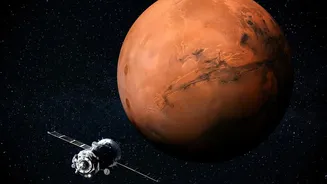
While these issues are manageable for astronauts on six-month stints aboard the ISS, they pose a serious threat to a multi-year Mars mission. A round trip to the Red Planet could take nearly three years, with no quick return or resupply possible. Chronic constipation and gut inflammation, which might be a mere discomfort on Earth, could evolve into severe medical problems like an increased risk of colorectal cancer, kidney issues, or inflammatory bowel disease. Furthermore, a compromised gut microbiome is linked to a weakened immune system, making astronauts more susceptible to infections. It can even affect mental health, with studies connecting gut imbalances to increased anxiety and stress—factors that could jeopardise crew cohesion and performance on a long, isolated journey millions of miles from home.
Engineering a Healthier Gut for Deep Space
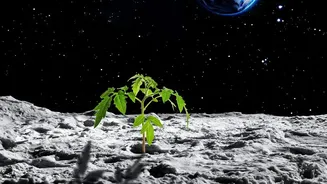
Fortunately, scientists are actively working on solutions to fortify the astronaut gut. The leading proposal involves dietary interventions. Researchers suggest that a diet rich in 'slow-fermented carbohydrates' and dietary fibre from sources like vegetables and whole foods could keep the gut microbiome properly supplied and prevent the shift to protein fermentation. Another promising avenue is the use of prebiotics (compounds that feed good bacteria) and probiotics (live beneficial bacteria) to maintain a healthy microbial balance. Scientists are studying which specific strains, such as Akkermansia and Bifidobacterium, might be most effective at counteracting the effects of spaceflight. NASA is also researching the benefits of growing fresh vegetables in space, which would not only supplement astronauts' diets with vital nutrients and fibre but also provide a psychological boost.