






The Tech That Shrank the Globe
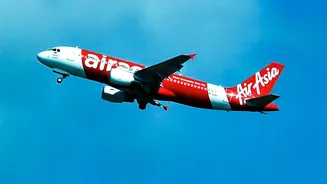
The secret sauce behind this travel revolution is a new generation of aircraft. For years, only massive wide-body jets could handle the extreme distances of trans-Pacific flights, making them too expensive for budget airlines to operate and too large
to fill from smaller cities. Enter long-range, narrow-body planes like the Airbus A321XLR. These jets are far more fuel-efficient, allowing airlines to fly fewer passengers over longer distances profitably. This technological leap has cracked open the financial equation, enabling low-cost carriers to design routes that were once pure fantasy: point-to-point service from mid-sized American cities directly to international hotspots, bypassing the crowded and costly mega-hubs. It’s a fundamental shift that empowers airlines to be more flexible and serve markets they previously couldn't touch.
Why Tier-2 Cities Are the New Frontier
Major airports like LAX, JFK, and Chicago O'Hare are congested and expensive places for airlines to operate. Landing fees are high, gate space is limited, and competition is fierce. In contrast, airports in so-called “Tier-2” cities—think Austin, Nashville, Raleigh, or Portland—offer a compelling alternative. These airports are actively courting international carriers with lower operating costs and the promise of an untapped customer base. For residents of these areas, the appeal is obvious. It transforms a 24-hour, two-stop ordeal into a single, more manageable flight. This newfound convenience is unlocking a wave of travel demand from Americans who were previously priced out or simply worn down by the complex logistics of getting to Asia. Airlines are recognizing that there are millions of potential travelers who don't live near a traditional gateway city.
The Southeast Asian Allure
This boom in connectivity isn't happening in a vacuum; it’s meeting a surge in American interest in Southeast Asia. The region is emerging as a global travel growth engine. Destinations like Vietnam, Thailand, the Philippines, and Malaysia offer an incredible value proposition for U.S. travelers. The combination of rich cultural experiences, world-renowned cuisine, stunning landscapes, and affordability is a powerful draw. With the dollar often stretching further against local currencies, the total cost of a vacation can be significantly lower than a comparable trip to Europe. As air connectivity improves, it removes the single biggest barrier—a difficult and expensive flight—that kept many would-be tourists away. Travel experts note that once travelers get a taste of Asia, their interest often expands to neighboring countries, creating a ripple effect of tourism across the region.
The Ripple Effect on Travel
The impact of these new routes extends far beyond just cheaper vacations. For Tier-2 cities, landing a direct international flight is a major economic win, boosting local business and elevating the airport's status. It signals that the city has a growing and dynamic population with global connections. For the travel industry, it’s a disruptive force. Legacy carriers that have long dominated these lucrative long-haul routes are now facing new competition from nimble, low-cost players. This pressure could lead to more competitive pricing across the board. For passengers, the trend means more than just saving money; it means saving time and stress. The democratization of long-haul travel is giving more Americans the ability to experience distant corners of the world, fostering greater cultural exchange and fundamentally changing who gets to be a global traveler.