
What Is Fermentation, Really?
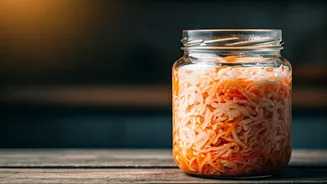
Before it was a hashtag, fermentation was a fundamental method of food preservation used for thousands of years across cultures. The process is a kind of natural magic. It involves microorganisms like beneficial bacteria and yeast breaking down the sugars
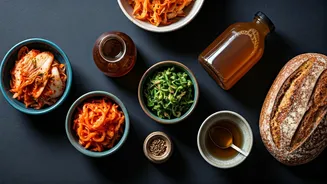
and starches in food. This transformation creates compounds like lactic acid or alcohol, which act as natural preservatives, giving foods like yogurt, pickles, and sourdough bread their distinct, tangy flavours. More importantly, this process promotes the growth of beneficial bacteria, often called probiotics.
Your Gut's Best Friends
The primary reason fermented foods have gained so much attention is their impact on the gut microbiome—the complex community of trillions of microbes living in your digestive tract. A healthy gut is marked by a diverse range of good bacteria, and eating fermented foods is a direct way to support this. These foods introduce probiotics that can help balance your gut flora, potentially crowding out harmful microbes. Studies have shown that a diet rich in fermented foods can increase the diversity of gut microbes and decrease molecular signs of inflammation. This is crucial, as a balanced gut is linked to better digestion, stronger immunity, and overall well-being.
More Than Just Digestion
The benefits of fermentation extend well beyond a happy stomach. The process can actually enhance the nutritional profile of food. Fermentation helps break down compounds like phytates and lectins, which can interfere with nutrient absorption. This means your body can more easily access the vitamins and minerals in the food you eat. For instance, fermentation can increase the availability of B vitamins, vitamin K, and iron. Some research even points to a link between regular consumption of fermented foods and reduced risk factors for heart disease and type 2 diabetes. They may also support the immune system and help manage inflammation throughout the body.
A Tradition You Already Know
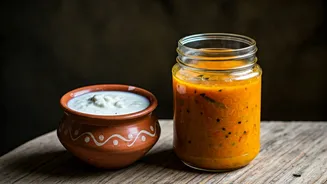
For anyone in India, the concept of fermented food is nothing new—it's woven into the fabric of our daily cuisine. Long before kombucha became popular, households have been relying on fermentation for staples that are both delicious and healthy. The fluffy idli and crispy dosa from the South are made from fermented rice and lentil batter, which makes them easier to digest and more nutritious. Dahi, or curd, a staple in nearly every home, is a powerhouse of natural probiotics. From the tangy, probiotic-rich drink Kanji in the North to the savoury Dhokla of Gujarat, Indian culinary traditions are rich with fermented superfoods that have been supporting gut health for generations.
How to Get Started (or Reacquainted)
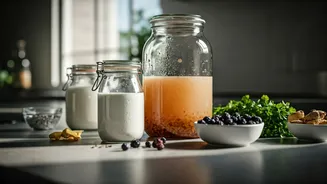
Incorporating more fermented foods into your diet doesn't require a complete overhaul. Start with what's familiar and accessible. Adding a bowl of homemade dahi to your lunch is one of the easiest and most effective ways to begin. When choosing products from a store, like pickles or sauerkraut, look for terms like "live cultures" and check the refrigerated section, as shelf-stable, pasteurised versions often lack the live microbes that provide the key benefits. The goal isn't to eat a huge amount at once, which can sometimes cause temporary bloating, but to consistently include a variety of these foods. Whether it’s enjoying a glass of chaas on a hot day or having curd rice for a comforting meal, you can easily tap into these benefits.