


The Invisible Problem in Your Water
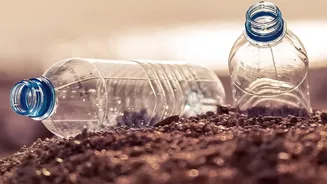
Microplastics are tiny plastic particles less than 5 millimetres in diameter, and they are everywhere—in our oceans, soil, air, and increasingly, our drinking water. These particles come from the breakdown of larger plastic waste, fibres from synthetic
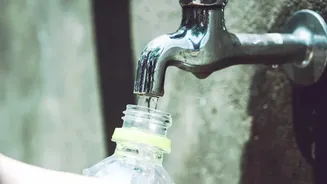
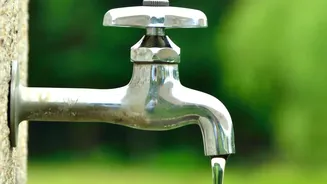
clothing, and wear from car tires. Due to their small size, they easily bypass many traditional water treatment processes. Scientists are still studying the full long-term health effects, but concerns are growing. Research suggests these particles can act like magnets for other harmful pollutants and have been linked to inflammation and disruption of bodily functions. The widespread presence of these contaminants in both tap and bottled water is a global health concern that demands innovative solutions.
What Exactly Is Bio-char?
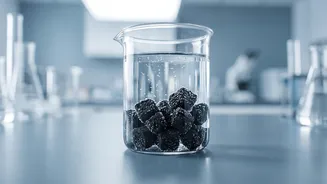
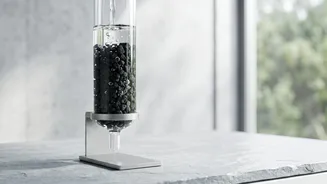
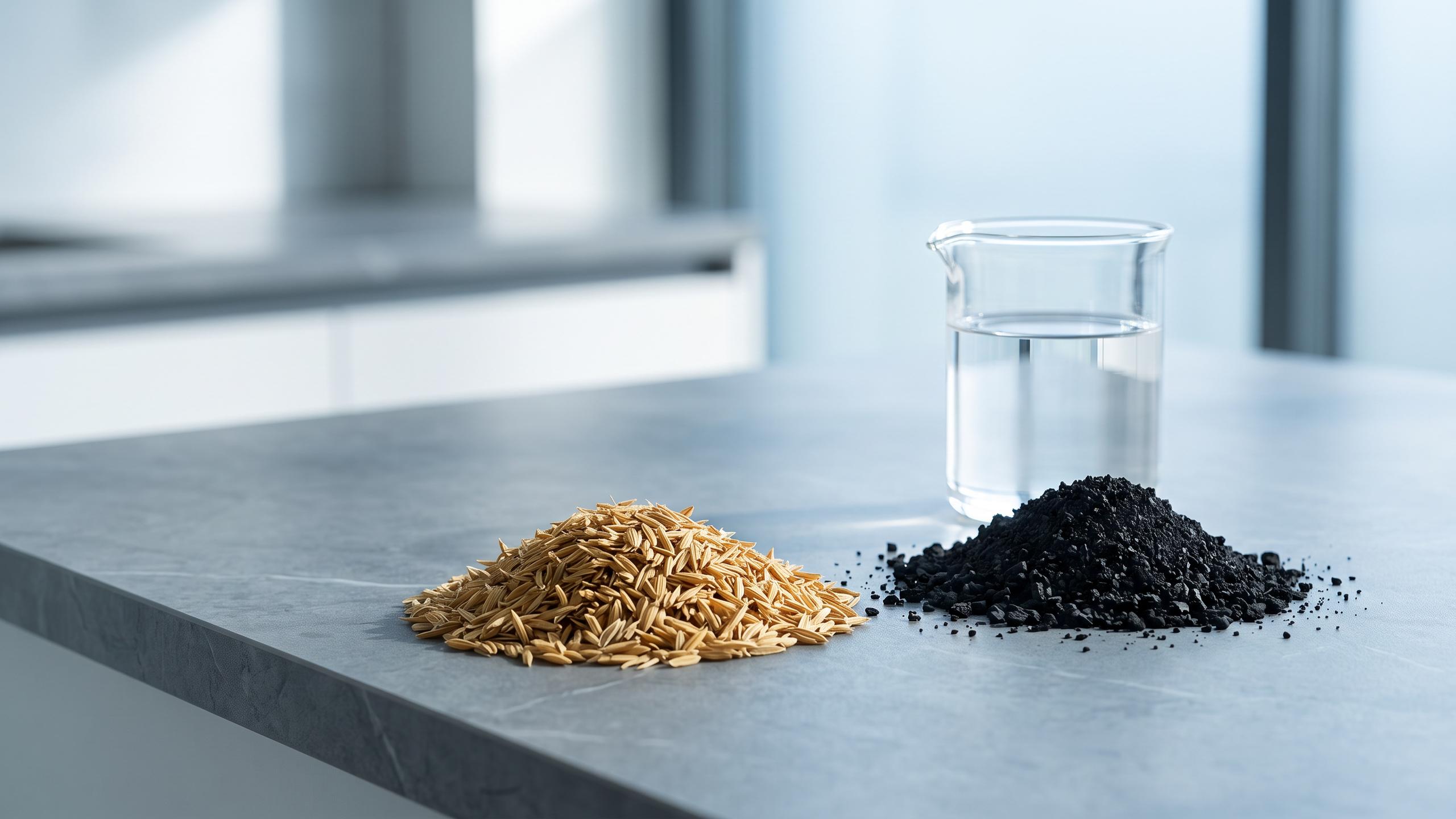
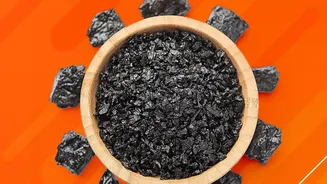
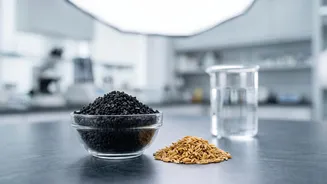
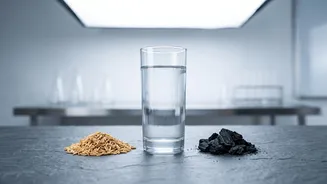
The hero of this story is bio-char, a black, porous, charcoal-like material. It is produced by heating organic materials, known as biomass, in an environment with little to no oxygen. This process is called pyrolysis. What makes this so promising for India is that the best biomass is often agricultural waste—things like rice husks, corn cobs, sugarcane bagasse, and wood scraps that might otherwise be burned, causing air pollution. By converting this waste into bio-char, we can solve two problems at once: reducing farm waste and creating a valuable product that can clean our water. This ancient technique, inspired by the fertile 'terra preta' soils of the Amazon, creates a stable form of carbon that is incredibly effective at trapping impurities.
How It Captures Microplastics
The magic of bio-char lies in its unique structure. The pyrolysis process creates a material with an incredibly high surface area and a network of tiny pores. This structure allows it to remove microplastics through several mechanisms. Firstly, it acts as a physical sieve, where larger plastic particles are simply trapped, a process called straining. Secondly, its surface has chemical properties that attract and bind to plastic particles through forces like electrostatic attraction and hydrophobic interactions. Studies have demonstrated that bio-char can remove over 90% of microplastics from water under laboratory conditions. The effectiveness depends on the type of crop waste used and the temperature of the pyrolysis process, but the results are consistently strong, showing it can capture even tiny nanoplastics.
From Lab to City Homes
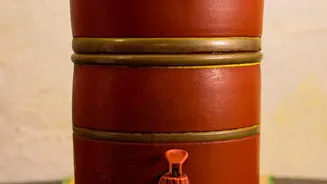
So, how can this technology protect homes? The research is rapidly advancing from lab experiments to practical applications. The most straightforward use is in water filters. Simple, gravity-fed filters can be designed with layers of sand, gravel, and bio-char. These systems are low-cost, require no electricity, and can be built using local materials, making them ideal for both urban and rural settings. Some companies are already developing bio-char filter systems, from small household units to larger-scale modules for community water treatment. While pristine, unmodified bio-char shows good results, researchers are also developing 'engineered' bio-chars with enhanced surface properties to achieve even higher removal efficiencies, sometimes nearing 99% for certain plastics. These advancements are paving the way for bio-char to be integrated into municipal water treatment plants and affordable home filtration systems.
More Than Just a Plastic Filter
The benefits of bio-char don't stop at microplastics. Its porous and chemically active surface also makes it effective at adsorbing a wide range of other pollutants found in water, including heavy metals like lead, pesticides, and other organic chemicals. This makes it a multi-functional tool for water purification. Beyond water treatment, bio-char has another major environmental benefit: carbon sequestration. The process of creating bio-char locks carbon from the atmosphere (absorbed by the original plants) into a stable, solid form that can remain in soil or filters for hundreds of years. This turns a waste product into a powerful tool in the fight against climate change, improving soil health when used in agriculture and cleaning our water when used in filters.