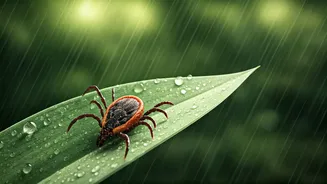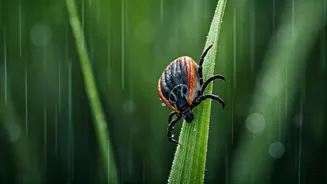









Why Monsoon Is Prime Time For Ticks
The rainy season creates a perfect storm for tick populations to explode. Increased humidity and moisture are ideal for ticks to survive and reproduce. The lush growth of grass, shrubs, and undergrowth provides them with ample places to hide while waiting
for a host—be it an animal or a person. This combination of factors means that activities like trekking, gardening, or even walking through a local park become higher risk. While we enjoy the cooler weather outdoors, these resilient pests are at their most active, leading to a spike in encounters and potential bites. This seasonal pattern is a significant public health concern, as noted by organizations like India's National Centre for Disease Control (NCDC), which tracks the rising trend of tick-borne diseases.
The Diseases They Carry In India
Ticks are not just an itchy nuisance; they are vectors for several serious illnesses in India. One of the most notable is Kyasanur Forest Disease (KFD), also known as 'monkey fever'. First identified in Karnataka, KFD is a viral hemorrhagic fever that can be fatal. Symptoms often begin with chills, fever, and severe headache, and can progress to include bleeding. Another significant threat is Indian Tick Typhus, a type of rickettsial infection. It typically presents with high fever, headache, muscle pain, and sometimes a rash. Though treatable with antibiotics, it is often misdiagnosed as other common fevers like dengue or malaria, which can delay proper care. Other tick-borne diseases like Crimean-Congo Haemorrhagic Fever (CCHF) and babesiosis are also present in the country, making awareness crucial.
Your Ultimate Prevention Checklist
The good news is that most tick-borne diseases are preventable with simple precautions. The best defence is to avoid being bitten in the first place. When venturing into grassy, bushy, or forested areas, follow this checklist:
1. Dress Smartly: Wear light-coloured clothing to spot ticks easily. Opt for long-sleeved shirts and long pants, tucking your pants into your socks to create a barrier.
2. Use Repellent: Apply an insect repellent containing DEET to exposed skin. For clothing and gear, consider using products with permethrin, which kills ticks on contact. Always follow the product instructions, especially for children.
3. Stay on Trails: When hiking, try to walk in the centre of trails and avoid brushing against dense vegetation where ticks often wait.
4. Check Yourself Thoroughly: After spending time outdoors, perform a full-body tick check. Pay close attention to areas like the scalp, behind the ears, armpits, groin, and behind the knees.
5. Don't Forget Pets: Your pets are prime targets for ticks and can bring them into your home. Check your dogs and cats daily, especially after they have been outside. Consult your veterinarian about effective tick-prevention products like collars, spot-on treatments, or oral medications.
Found a Tick? Here's How to Remove It Safely
If you find a tick attached to your skin, it's important to remove it promptly and correctly. Delaying removal increases the risk of infection. Do not use folk remedies like petroleum jelly, nail polish, or a hot match, as these can cause the tick to burrow deeper or release more saliva into the wound.
Instead, follow these steps recommended by health authorities:
1. Use a pair of clean, fine-tipped tweezers to grasp the tick as close to the skin's surface as possible.
2. Pull upward with steady, even pressure. Do not twist or jerk the tick; this can cause the mouth-parts to break off and remain in the skin.
3. If the mouth-parts do break off, try to remove them with tweezers. If you can't, leave them alone and let the skin heal.
4. After removing the tick, thoroughly clean the bite area and your hands with soap and water or an alcohol-based hand sanitiser.
5. Dispose of the live tick by placing it in a sealed bag, wrapping it tightly in tape, or flushing it down the toilet.
When To See A Doctor
Even after correctly removing a tick, it is essential to monitor your health. Not all tick bites lead to disease, but it's crucial to be vigilant. You should consult a doctor if you develop any of the following symptoms within a few weeks of a tick bite:
A rash, particularly a circular 'bull's-eye' rash or an eschar (a dark, scab-like lesion at the bite site).
Fever and chills.
Headache, muscle aches, or joint pain.
Fatigue or general weakness.
Early diagnosis and treatment are key to preventing serious complications from tick-borne illnesses. Be sure to inform your doctor that you were bitten by a tick, including when and where it might have happened, as this information can be vital for an accurate diagnosis.