





Understanding the Research
A recent study aimed to investigate a simple but important question: can regular consumption of peanuts impact the brain health of older adults? Researchers have long been interested in how diet affects cognitive decline, and this study zeroed in on one
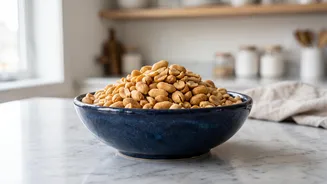
of the world's most popular legumes. The primary goal was to see if daily peanut intake could produce measurable changes in brain activity and cognitive performance over a period of several months. The study was designed as a randomized controlled trial, which is considered a gold standard in clinical research, giving its findings a significant degree of credibility. Participants were carefully selected and divided into groups to isolate the effects of the peanuts themselves, providing a clearer picture of their potential benefits.
The Brain Blood Flow Connection
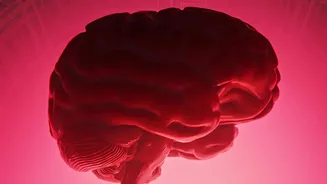
The headline-making finding from this research revolves around 'changes in brain blood flow'. But what does that actually mean? Cerebral blood flow is the supply of blood to the brain at any given time. A steady and robust flow is vital because it delivers the oxygen and nutrients the brain needs to function properly. As people age, this flow can sometimes decrease, which is linked to a higher risk of cognitive decline. In this study, researchers used advanced imaging techniques to measure the blood flow in participants' brains. They discovered that the group consuming peanuts daily showed a noticeable increase in blood flow to specific regions of the brain associated with memory and processing. This suggests that peanuts may help improve the brain's vascular function, which is a foundational element of cognitive health.
Did Memory Actually Improve?
While improved blood flow is a promising biological marker, the real question is whether it translated to better cognitive performance. The study addressed this by putting participants through a series of standardized tests designed to measure memory, attention, and executive function. The results were encouraging. The group that ate peanuts regularly showed modest but statistically significant improvements in aspects of their working memory and information processing speed compared to the control group. This connection between the physical change (blood flow) and the functional change (better memory scores) is what makes the study particularly compelling. It provides a more complete story, suggesting that the vascular benefits observed were not just a curious finding but were actively contributing to better brain function.
Why Peanuts? The Nutritional Powerhouse
What is it about peanuts that could be causing these positive effects? The answer likely lies in their rich and complex nutritional profile. Peanuts are packed with bioactive compounds that are known to be beneficial for health. One key compound is resveratrol, an antioxidant also found in grapes and red wine, which has been studied for its potential neuroprotective effects. Peanuts are also an excellent source of arginine, an amino acid that the body uses to create nitric oxide. Nitric oxide is a vasodilator, meaning it helps relax and widen blood vessels, which could directly explain the observed increase in cerebral blood flow. Furthermore, peanuts contain healthy monounsaturated fats, protein, and various vitamins and minerals that support overall brain health, making them a multifaceted tool for dietary intervention.
A Dose of Reality and Next Steps
As exciting as these findings are, it is important to view them in context. The researchers themselves are quick to point out the study's limitations. This was a single study with a specific number of participants over a set duration. More research is needed with larger, more diverse populations and over longer periods to confirm these results and understand the long-term effects. This study does not suggest that peanuts are a miracle cure for memory loss or a way to prevent diseases like Alzheimer's. Rather, it provides strong evidence that incorporating a handful of peanuts into a healthy, balanced diet could be a simple and effective strategy to support brain health as we age. It reinforces the powerful idea that what we eat has a direct and measurable impact on our brain's structure and function.