






The Golden Power of Turmeric
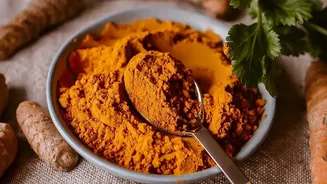
Turmeric, the vibrant yellow spice, is a cornerstone of Ayurvedic practice. Its power lies in its main active compound, curcumin, which has been studied for its potential antioxidant and anti-inflammatory properties. Inflammation is a natural bodily process,
but chronic inflammation is linked to numerous health issues. Research suggests that curcumin may help manage oxidative and inflammatory conditions. Traditionally, turmeric is used for everything from soothing a sore throat to supporting joint health. While adding it to your food is a great start, a warm infusion can be a particularly comforting way to enjoy its benefits. For the body to better absorb curcumin, it is often recommended to be consumed with a pinch of black pepper.
The Warming Wonder of Ginger
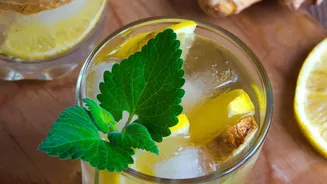
Ginger’s sharp, aromatic character is unmistakable. Known as a 'universal medicine' in Ayurveda, it has long been a go-to remedy for digestive issues. The key bioactive compound in ginger is gingerol, which is credited with many of its medicinal properties, including aiding gastrointestinal motility. This means it can help food move more efficiently through the digestive system, which may relieve discomforts like bloating. Ginger is also widely used to soothe nausea and is known for its immune-supporting properties. Its warming nature is believed to improve circulation and help the body fend off common colds, making a hot ginger tea a comforting choice, especially during cooler weather.
Tulsi: The Queen of Herbs
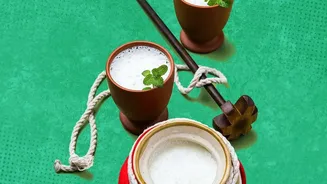
Tulsi, or Holy Basil, is revered in India for its holistic health benefits. It is classified as an adaptogen, a unique class of herbs that may help the body adapt to stress and promote balance. Within Ayurveda, regularly drinking tulsi tea is recommended as a lifestyle practice to enhance resilience against both physical and psychological stress. Scientific studies have shown that tulsi may have a positive effect on memory and cognitive function, as well as anxiolytic (anxiety-reducing) and anti-depressant properties. It is also traditionally used to support respiratory health, helping to clear congestion and fortify the immune system against infections.
How to Create Your Wellness Infusion
Creating a healing infusion with these three ingredients is simple. This recipe can be adjusted to your personal taste and is a wonderful, caffeine-free beverage to enjoy any time of day. Ingredients: - 2 cups of water - 1-inch piece of fresh ginger, grated or finely chopped - 1-inch piece of fresh turmeric, grated (or 1/2 teaspoon turmeric powder) - 5-8 fresh tulsi leaves - Optional: 1 teaspoon of honey, a squeeze of lemon, a pinch of black pepper Instructions: 1. Bring the water to a boil in a small saucepan. 2. Add the grated ginger and turmeric. Reduce the heat and let it simmer for about 5-7 minutes. This allows the active compounds to infuse into the water. 3. Add the fresh tulsi leaves and simmer for another 2 minutes. 4. Remove the saucepan from the heat. Strain the infusion into a mug. 5. If desired, wait for the tea to cool slightly before stirring in honey and a squeeze of lemon for taste. A small pinch of black pepper can be added to potentially enhance the absorption of turmeric's curcumin.
Making It Part of Your Routine
This potent trio creates a synergistic blend that supports digestion, immunity, and stress relief. The warming properties of ginger and turmeric complement the adaptogenic calmness of tulsi. Enjoying a cup in the morning can provide a gentle energy boost without caffeine, while a cup in the evening can help you unwind and support your body's natural detoxification processes overnight. While this herbal tea is not a cure for any disease, incorporating it into a balanced lifestyle with proper nutrition and exercise can be a simple yet powerful step towards greater well-being. You can make a larger batch and store it in the refrigerator for up to two days, enjoying it chilled or gently reheated.