


From Trash to Treasure
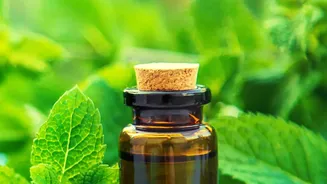
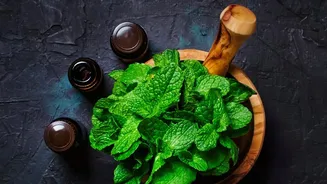
In the quest for a zero-waste kitchen, herb stems are a secret weapon. While often discarded, the stems of soft herbs like coriander, mint, and parsley are brimming with the same aromatic compounds as their leaves—sometimes in a more concentrated form.
By infusing oil with these stems, you not only divert waste from the bin but also create a custom-flavoured, high-impact ingredient for your pantry. It's a simple, cost-effective way to add a layer of fresh, vibrant flavour to dressings, marinades, and drizzles, transforming everyday meals with something that would have otherwise been thrown away.
Choosing Your Ingredients
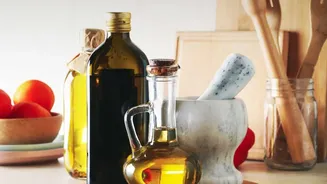
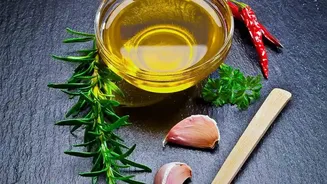
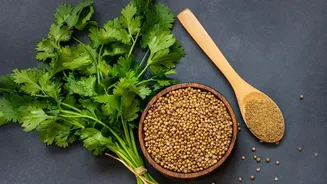
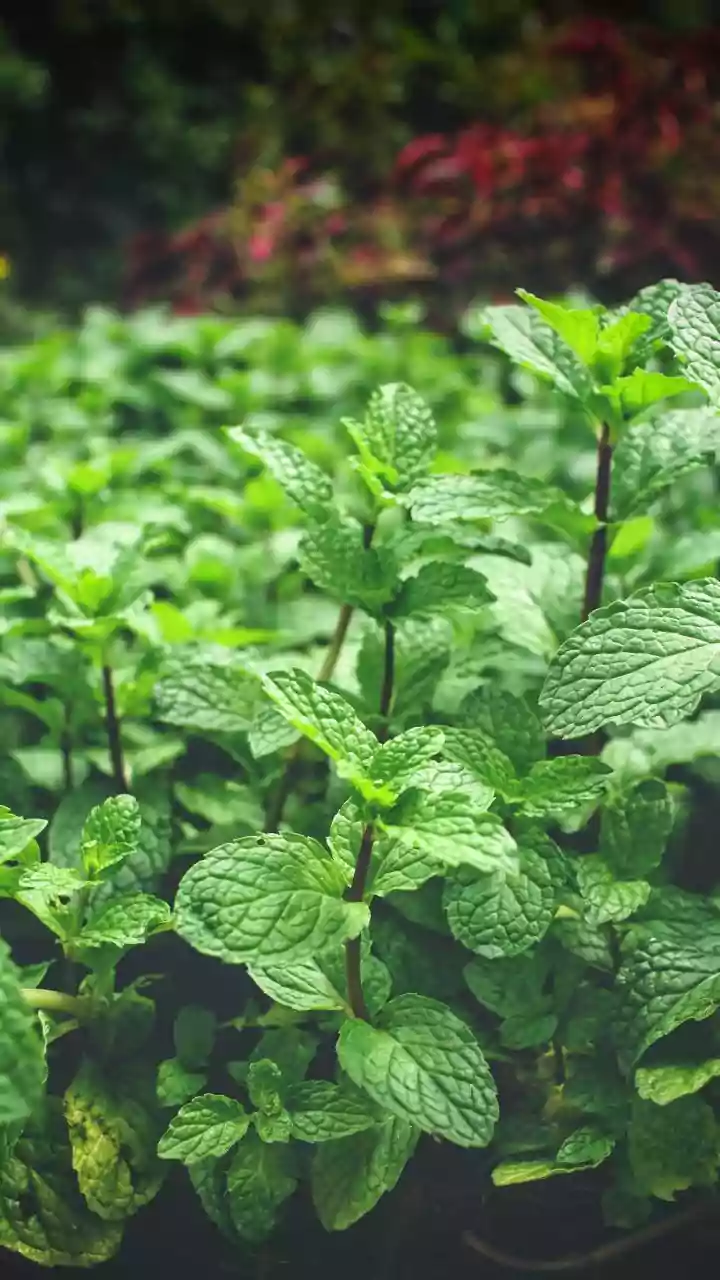
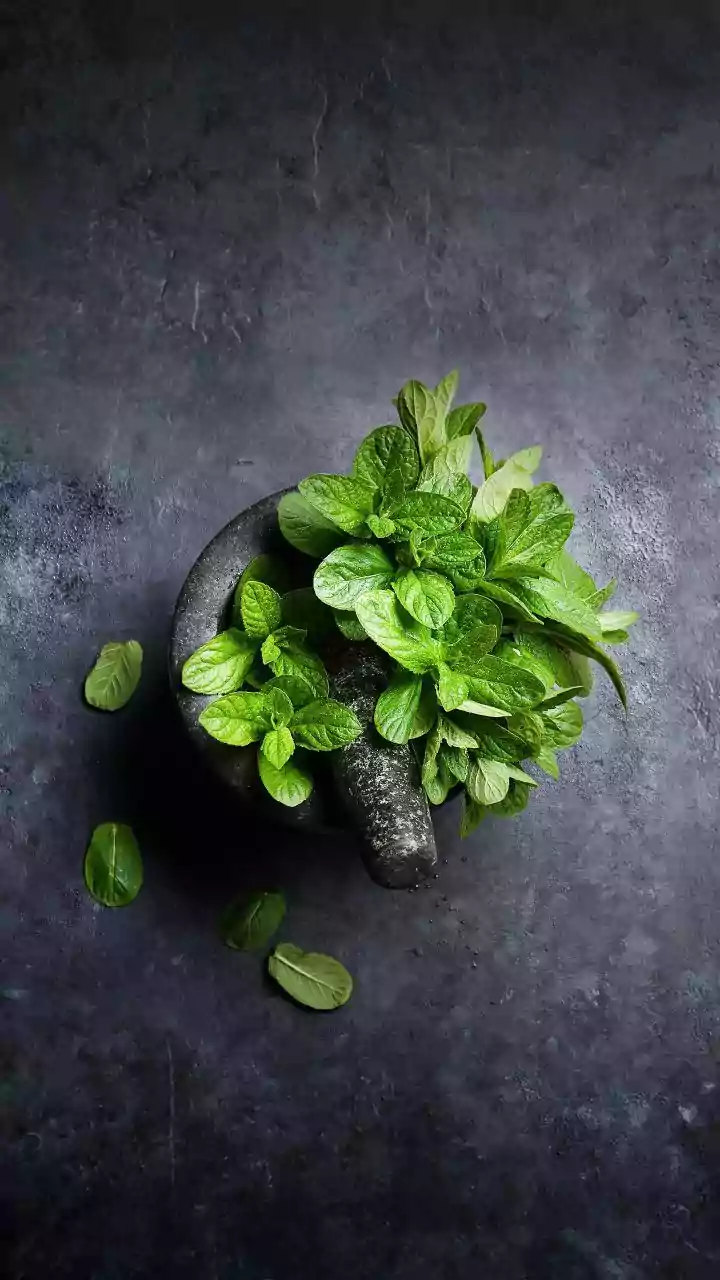
The success of your infused oil depends on two key elements: the oil and the herbs. For the oil, choose a neutral-flavoured variety that won't overpower the delicate notes of the herbs. Grapeseed, sunflower, or a light olive oil are all excellent choices. For the herbs, this technique works best with soft-stemmed varieties like coriander and mint. You can also use parsley or dill stems. While woody stems from herbs like rosemary can be used, they often require a different, longer steeping process. The most critical factor for any fresh ingredient you add to oil is that it must be washed and, most importantly, completely dry. Water is the enemy of infused oil, as it can encourage spoilage.
Method 1: The Gentle Heat Infusion
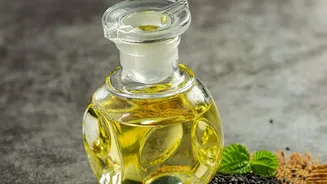
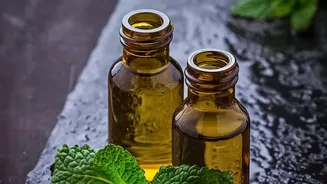
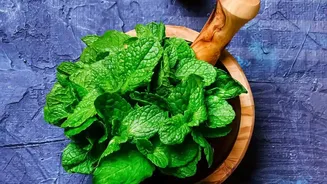
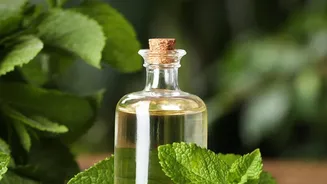
This method is quick and coaxes flavour out of the stems efficiently. Start by roughly chopping your clean, dry coriander and mint stems. Place about a cup of neutral oil in a small saucepan and add the chopped stems. Gently heat the oil over a very low flame until it is warm to the touch, but not hot or simmering—around 65°C is ideal. You should see tiny bubbles begin to form, but the oil should not be frying the herbs. Turn off the heat and let the stems steep in the warm oil until it cools completely to room temperature. This allows the essential oils from the stems to fully infuse into the carrier oil. Once cool, strain the oil through a fine-mesh sieve or cheesecloth into a clean, sterilised glass bottle.
Method 2: The Cold Infusion Method
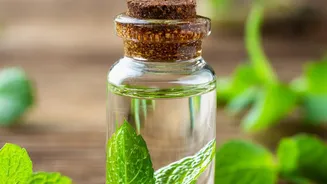
For a more hands-off approach, a cold infusion works beautifully, though it requires more patience. Simply place your clean, thoroughly dried, and chopped herb stems into a sterilised jar and cover them completely with your chosen oil. Seal the jar tightly and place it in a sunny spot on a windowsill for a week or two. Give the jar a gentle shake every day to help distribute the flavours. You'll know it's ready when the oil has taken on the distinct aroma of the herbs. The flavour will be more subtle than with the heat method but still delightfully fresh. After the infusion period, strain the oil to remove the stems and store it for future use.
A Note on Food Safety
When infusing oil with fresh ingredients like herbs, there is a risk of botulism if not handled correctly. Clostridium botulinum bacteria thrive in low-acid, oxygen-free environments, which is what oil provides. The most crucial safety step is ensuring your herbs are completely dry before they go into the oil, as the bacteria need water to grow. For maximum safety, especially for long-term storage, oils infused with fresh ingredients should be stored in the refrigerator and used within a week. Using dried herbs is a safer alternative for a shelf-stable product.
How to Use Your Herb Oil
Your homemade coriander and mint oil is a versatile finishing touch. Drizzle it over roasted vegetables, grilled fish, or chicken for a burst of freshness. Whisk it into a simple vinaigrette with lemon juice and a pinch of salt for a vibrant salad dressing. Use it as a base for a quick chutney or sauce, or simply use it as a flavourful garnish for soups and grain bowls. The bright, grassy notes of the coriander and the cool, refreshing kick of the mint will add a professional-tasting complexity to your cooking, all from an ingredient you used to throw away.